How To Do Front and Back Handspring: Technique, Tips, and Training
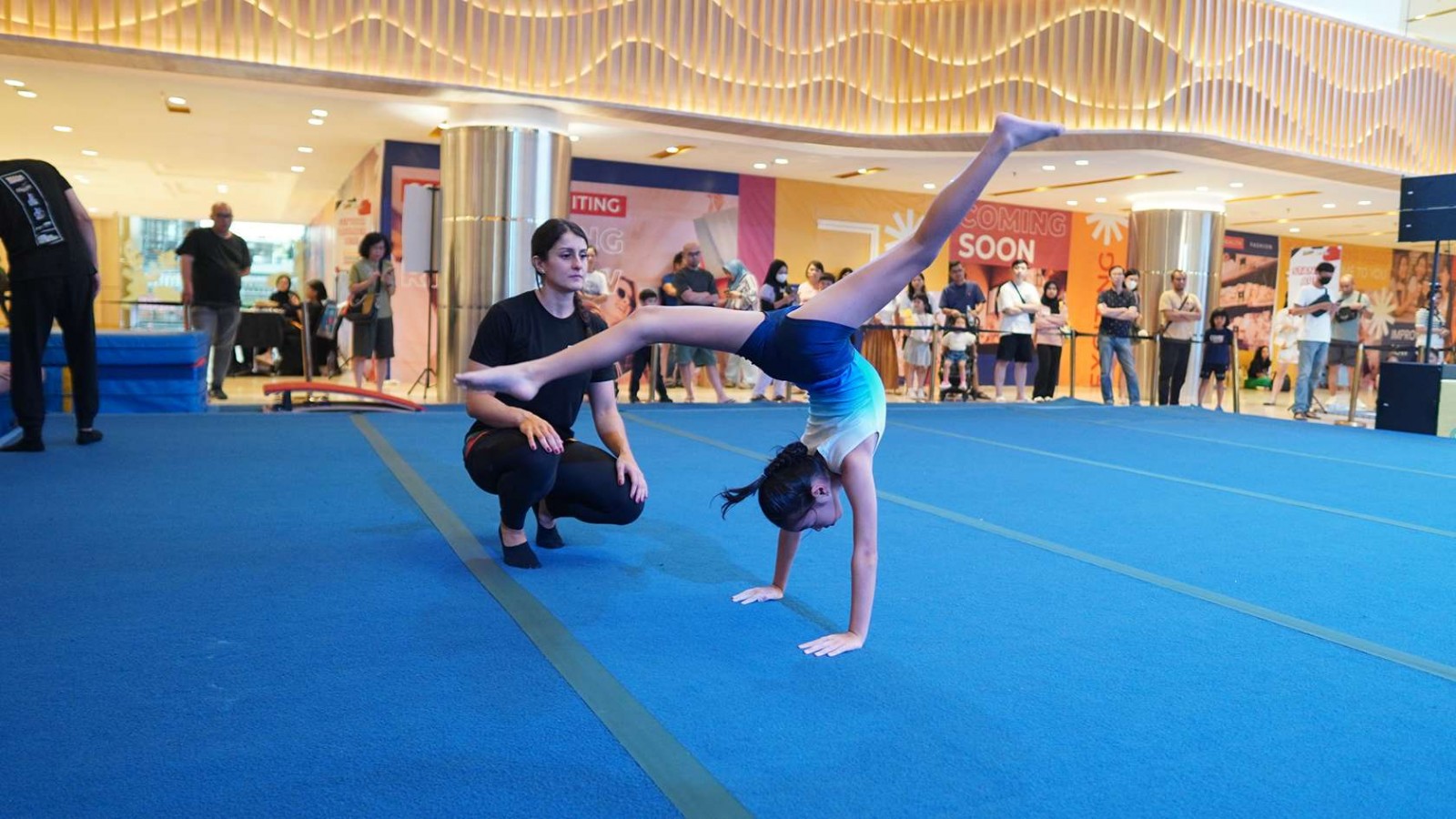
A back handspring and front handspring are two of the most impressive skills in gymnastics. These moves blend strength, flexibility, and control, creating that smooth and powerful flipping motion seen in professional routines.
In this article, we’ll guide you through what a handspring is, how to perform both the front and back handsprings, plus tips, key muscles to train, and exercises to help you get started safely and effectively.
What Is a Handspring?
A handspring is a gymnastics move where you flip over your hands. It is kind of like a cartwheel, but with your body going forward or backward instead of sideways.
You use your hands to push off the ground and your legs to kick over, landing back on your feet. It’s a mix of strength, balance, and confidence that makes it look smooth and powerful.
Muscles You Need for a Handspring
To perform a handspring safely and smoothly, you need strength in a few key muscle groups:
- Shoulders and Arms – These muscles (deltoids, triceps, and forearms) help push off the floor and support your body during the flip.
- Legs – Strong quadriceps, hamstrings, glutes, and calves provide the power and lift to drive your heels over your head.
- Core – The abdominal and lower back muscles keep your body tight, stable, and properly aligned throughout the motion.
- Back – The upper and lower back muscles (especially the erector spinae and lats) help maintain body control and extension during takeoff and landing.
- Chest – The pectoral muscles assist in pushing off the ground and help stabilize your upper body.
How To Do a Front Handspring
A front handspring is all about forward momentum, power, and timing. It might look tricky, but with the right steps and consistent practice, you’ll get the hang of it! Here’s how to do it safely and effectively:
1. Start From a Hurdle
Begin with a running start to build momentum, then perform a hurdle (a small hop into your front handspring). This motion helps you transfer forward speed into power for the flip. Keep your body tight and arms up as you prepare to dive forward.
2. Drive Your Arms and Upper Body Down to the Floor
As you move forward, swing your arms and upper body down toward the ground with control. This motion helps you gain the power you need to push through your shoulders. Keep your arms strong and ready to make contact with the floor.
3. Block Quickly and Drive Your Heels Over Your Head
When your hands hit the ground, push off quickly through your shoulders. At the same time, kick your heels up and over your head to create the flipping motion. Keep your eyes on your hands and your arms close to your ears to maintain balance and form.
4. Land with Your Feet Together and Arms Up
As you come out of the flip, bring your feet together to land solidly on the ground. Keep your chest up and arms lifted high toward the ceiling. This helps you maintain control, balance, and a clean finish.
How To Do a Back Handspring
A back handspring is a powerful and exciting skill where you flip backward from your feet to your hands and land on your feet again. It requires strength, flexibility, and confidence, so it’s important to start slow and practice safely. Here’s a simple step-by-step guide to get you started:
1. Perfect Your Posture
Start by standing tall with your arms straight above your head. Sit back as if you’re sitting in a chair while swinging your arms down, keeping your knees behind your toes. This position helps you build momentum and control before jumping backward.
2. Shift Your Weight and Swing Your Arms Up
Push your weight onto your toes and swing your arms up as you look at your hands. This motion helps you generate upward and backward momentum for the handspring.
3. Arch into a Bridge Position
As you lean back, move into a bridge-like position without over-arching your back. Keep your body tight and strong as too much arching can hurt your form or cause injury.
4. Place Your Hands on the Floor
When your body bends back, reach for the ground and place your palms flat with fingers pointing toward your shoulders. Straighten your arms to protect your head and support your weight evenly across your hands and shoulders.
5. Kick Your Legs Up
Use your legs to kick powerfully over your head into a handstand position. Point your toes and keep your legs straight but relaxed. Remember to not lock your knees.
6. Land on Your Feet
As your legs come down, let them circle naturally and land on the floor with both feet together. Keep your upper body straight as your toes touch down.
7. Bounce Out of It
Finish with a small rebound to absorb your landing. Bend your knees slightly, lift your arms forward and up, and celebrate your successful back handspring!
Exercises to Help You Master Handsprings
Before you attempt a back handspring or front handspring, it’s important to strengthen your body with the right exercises. Building power, balance, and control in key muscles will make learning handsprings safer and easier. Here are some effective exercises:
1. Handstand Hold
.png)
Practicing handstands strengthens your arms and shoulders, which are crucial for pushing off the ground during a handspring. Start by holding a handstand against a wall for 10 seconds and gradually increase your hold time. You can also try to tuck your legs for an additional challenge.
2. Lunges

Lunges mimic the hurdle motion in a front handspring and build strong leg muscles. Step one foot forward, bend both legs until your front thigh is parallel to the ground, then switch legs.
3. Hip Lifts
.jpg)
Hip lifts target your glutes, helping you push off the ground and control your landing. Lie on your back with knees bent, lift your hips toward the ceiling, hold briefly, then lower back down.
4. Planks
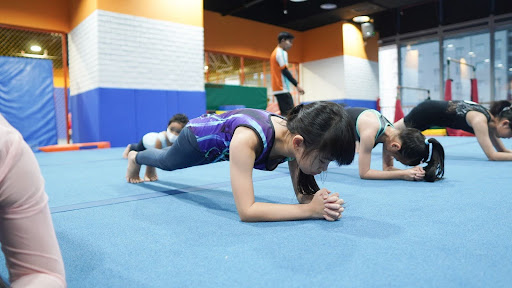
Planks strengthen your core, which is key for keeping your body tight and stable during a handspring. Keep your body in a straight line, engage your core, glutes, and legs, and remember to breathe while holding the position.
Tips for Learning Handsprings
Learning a handspring can feel intimidating at first, but with the right approach, you can build confidence and nail it safely. Here are some simple tips to help you improve:
A. Hurdle with a Long, Low Step
Take a strong, long step as you run into your handspring. This gives your legs the power to push off the ground and generate momentum for the flip.
B. Step Forward and Reach
As you move, reach forward with your arms by your ears. Stretching toward the ground helps guide your body and sets up a clean hand placement.
C. Block Off Your Hands in a Tight Handstand Position
When your hands touch the floor, push hard through your shoulders and block off your hands. This keeps your momentum going and helps your legs swing smoothly over your head.
D. Arch and Land
Maintain a tight arch as your legs swing over and prepare to land on your feet. Focus on a controlled landing with knees slightly bent for balance and safety.
Ready to Flip with Confidence?
Learning a back handspring or front handspring takes patience, practice, and the right training approach. With consistent effort and the right mindset, you’ll not only nail your handspring but also improve your overall gymnastics performance.
Give your kids the chance to build strength, confidence, and agility with the Gymnastics Program at Rockstar Academy. Students learn exciting skills like the front flip, improve balance and coordination, and develop discipline in a fun, supportive environment.
Our Gymnastics program at Rockstar Academy also features the Dream Team, an elite training group open to both boys and girls who are passionate about taking their skills to the next level.
As part of the Sports & Performing Arts Academy, participants also get opportunities to showcase their talents in Gymnastics Testing, RockOlympics and Elite Championships, gaining experience and motivation to improve. Plus, you can try it risk-free with a free trial class and see firsthand how much your child can achieve!
FAQ
Is back handspring hard to learn?
It can be challenging at first, but with proper guidance, practice, and strength training, most people can master it safely.
What is the front handspring?
A front handspring is a forward flip where you push off your hands and land on your feet, using momentum and body control.