Adagio Ballet: Technique, Transitions, and How to Build Sustained Strength
Adagio ballet is one of the most beautiful and challenging elements in ballet training. It is slow, controlled, and expressive, yet it demands serious strength, balance, and focus. While it may look calm and effortless on stage, adagio work pushes dancers to master control, breath, and precision in every movement.
In this article, we will break down what adagio is in ballet, how to transition smoothly between slow movements, the key techniques, and practical ways to build the strength needed to sustain it.
What Is Adagio in Ballet?
Adagio in ballet refers to a section of class or choreography that focuses on slow, controlled, and sustained movements. Instead of moving fast or jumping, dancers take their time to hold balances, extend lines, and transition smoothly from one position to another.
Adagio work helps build strength, stability, and control, especially in the legs and core. It also trains dancers to move with grace and intention, using breath to support long poses like arabesque, promenade, and penché.
Key Techniques for Adagio Ballet
Mastering adagio ballet takes patience and focus, because every movement happens slowly and on purpose. At this tempo, even the smallest mistake becomes noticeable, which is why strong technique matters so much.
Below are the key techniques that help dancers move with confidence, control, and elegance during adagio work.
A. Balance and Control
Balance is the foundation of adagio ballet. Because movements are slow, dancers must constantly adjust to tiny shifts in weight without losing stability. Using a closed fourth position helps keep the body aligned and centered, making balances feel more secure.
Instead of gripping the floor with the toes, dancers should rely on proper alignment and muscle engagement to stay steady. Core strength plays a huge role here. A strong core supports the spine and helps control leg extensions and transitions.
Exercises like planks, bridges, and controlled relevés build the stability needed for long holds. Many dancers also use Pilates to improve body awareness and deep core engagement, which makes balancing during adagio feel more natural and controlled.
B. Fluidity and Grace
Adagio ballet is all about smooth, connected movement. Rather than thinking of steps as separate actions, dancers should focus on how one movement flows into the next. Transitions need to feel continuous, whether moving from arabesque to promenade or lowering into a penché.
This sense of flow creates the calm, lyrical quality that adagio is known for. Finishing each movement fully is just as important as starting it well. Rushing through positions breaks the illusion of ease and elegance.
By taking time to complete every extension and using breath to guide motion, dancers can maintain softness and grace throughout the sequence. When balance, control, and flow work together, adagio ballet becomes a powerful expression of strength wrapped in beauty.
How to Transition Smoothly in Adagio Ballet
Smooth transitions in adagio ballet come from patience, breath, and control rather than force. When moving from an arabesque into a promenade, think about lengthening the body first before turning, keeping the standing leg strong and the core gently engaged.
Use a slow, steady breath to guide the rotation, letting the upper body stay calm and lifted while the movement travels from the supporting leg. As you transition from promenade into a penché, imagine pouring your weight forward little by little, keeping the hips square and the back long instead of dropping suddenly.
Breathing out as you lower helps release tension and maintain balance, allowing each position to melt naturally into the next without rushing or wobbling.
How to Build Strength for Adagio Ballet
Because adagio movements are slow and sustained, dancers need strong legs and a stable core to support balance, extensions, and smooth transitions. Here are some effective ways to build that strength:
1. Arabesque and Attitude Lifts
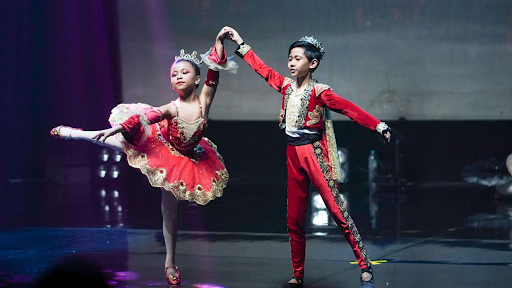
These exercises strengthen the supporting leg and the working leg at the same time. Slowly lifting and lowering the leg in arabesque or attitude trains the muscles to hold positions with control. This kind of strength is essential for maintaining long balances and clean lines in adagio ballet.
2. Rainbow Lifts
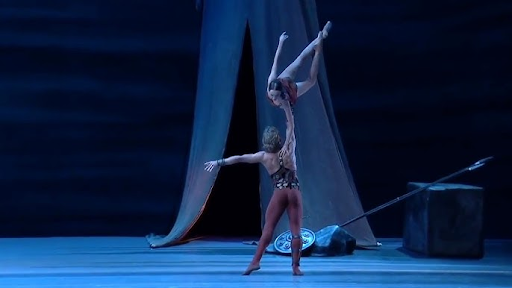
Rainbow lifts work the legs through side and back pathways while keeping the core engaged. The circular motion helps build strength through a full range of movement, which supports smooth transitions and better control during slow extensions.
3. Pliés and Lunges
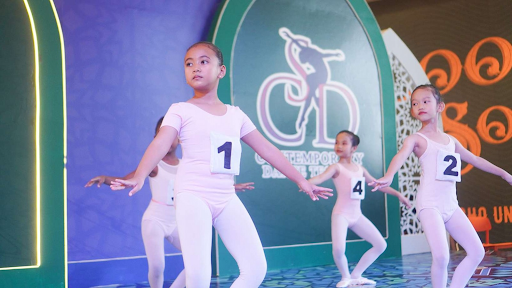
Pliés and lunges are classic ballet strength builders. They develop power in the thighs, glutes, and calves while improving alignment and stability.
Practicing these movements with proper technique helps dancers stay grounded and steady during adagio work.
4. Consistent Training Routine
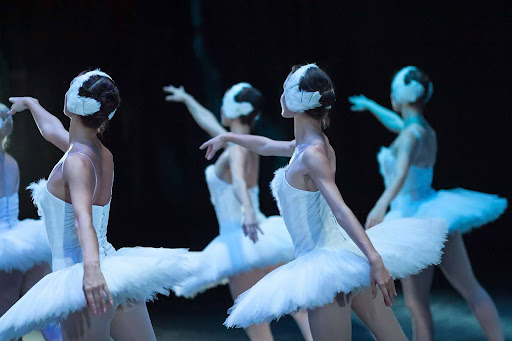
Strength builds over time, not overnight. Practicing leg-strengthening exercises three to five times a week helps create the endurance needed for sustained adagio movements. Consistency makes holding balances feel more natural and less exhausting.
5. Core Stability Exercises
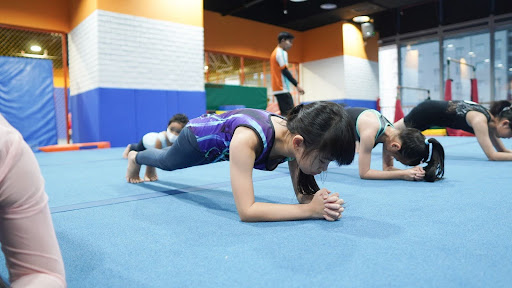
A strong core supports everything in adagio ballet. Exercises like planks and bridges build deep core muscles that help control leg lifts, turns, and transitions. A stable core keeps the body centered and prevents wobbling during slow movements.
6. Body Awareness and Focus
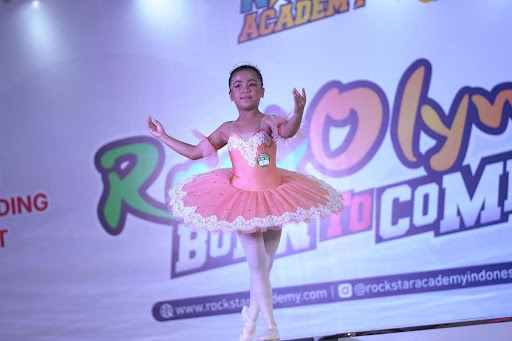
Maintaining eye focus instead of looking down helps preserve balance and adds elegance to movement. Staying aware of posture, alignment, and breath allows the core to stay engaged without tension, improving both stability and overall performance in adagio ballet.
Train Your Control and Elegance!
When dancers learn to connect breath with movement and develop the strength to support each transition, adagio becomes a powerful tool for improving overall technique and artistry.
If you want to refine your technique and move with confidence, the ballet program at Rockstar Academy is a great place to grow. As a trusted Sports & Performing Arts Academy, Rockstar Academy focuses on building strong foundations, clean alignment, and expressive movement for dancers of all levels.
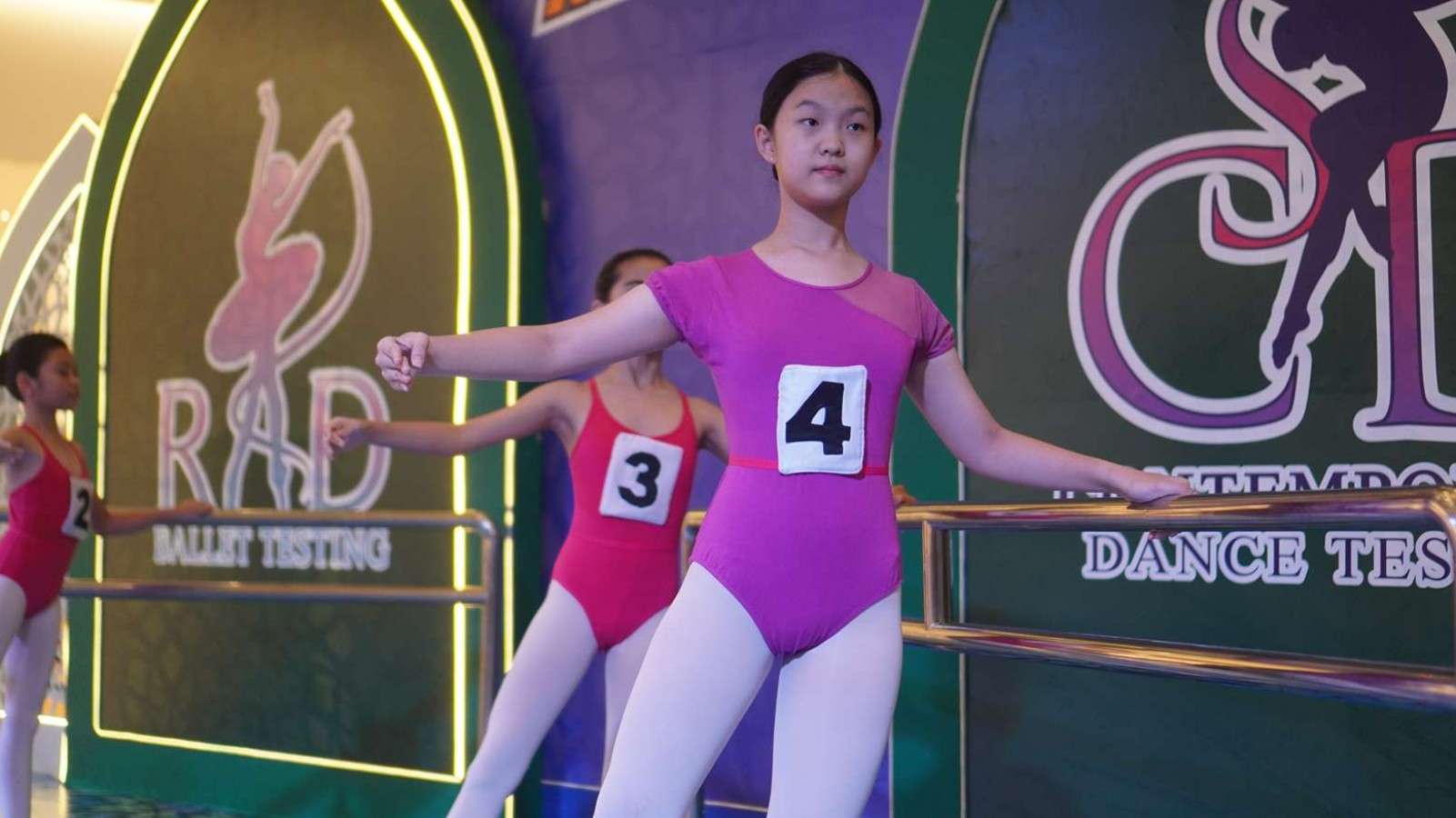
You will work on essential skills, balance, and control while learning how to move with strength and elegance. The program also supports dancers who are preparing for RAD Ballet testing, helping them feel confident and well-prepared.
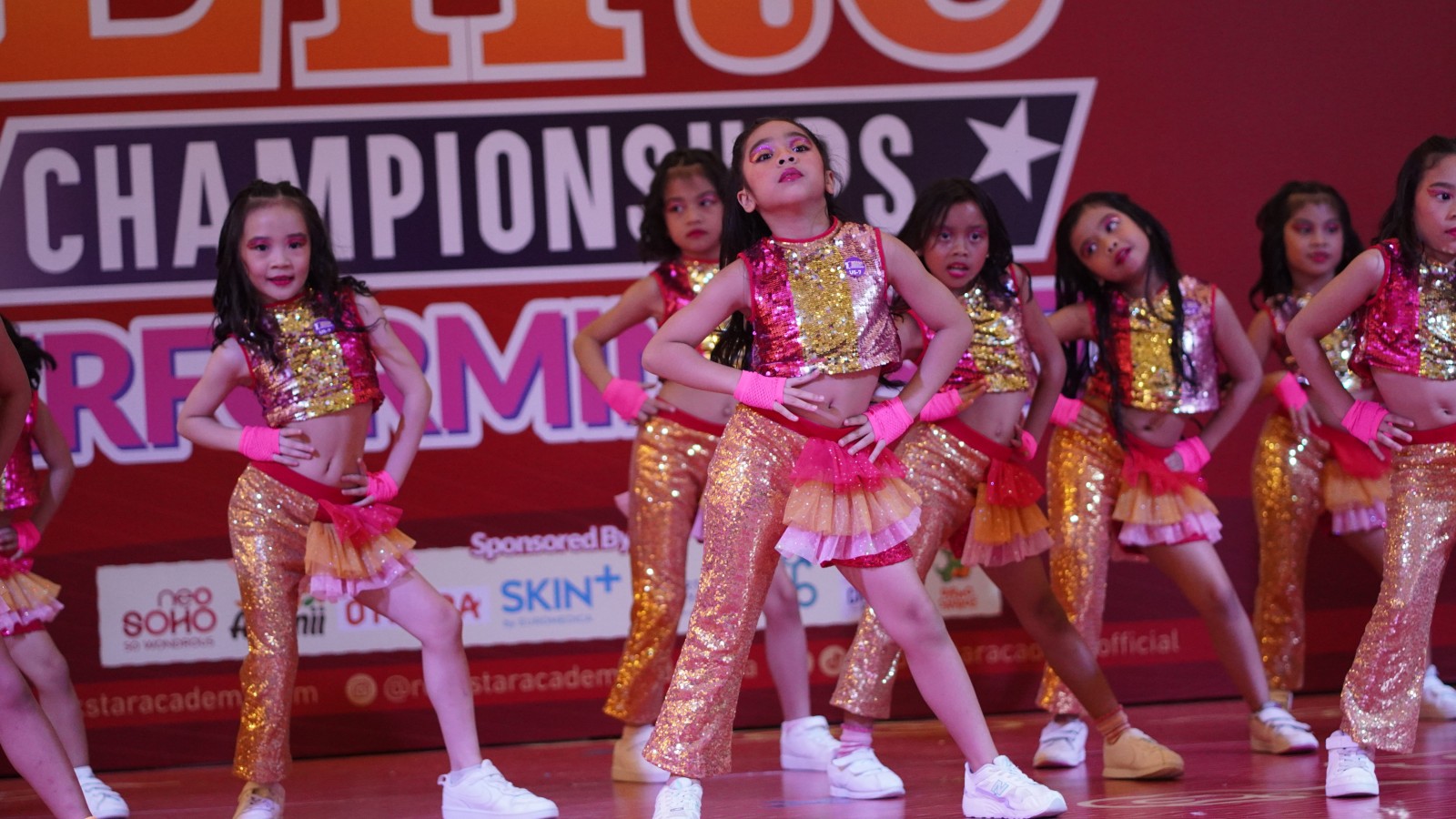
Additionally, our Ballet class also opens the door to exciting performance and competition opportunities. Students are encouraged to showcase their progress and confidence through prestigious events such as the Ballet & Contemporary Dance Recital, Elite Championships, and RockOlympics.
These experiences help dancers build stage presence, discipline, and a strong competitive mindset, while celebrating their growth in a supportive and inspiring environment.
To experience the training style and supportive atmosphere firsthand, Rockstar Academy offers a free trial class, so you can step into the studio and experience our magic class itself. Spots are filling fast! Secure your child’s FREE Trial Class at Rockstar Academy today before classes are fully booked.
FAQ
What is the Adagio position in ballet?
Adagio refers to slow, controlled movements and sustained poses, not one single fixed position.
What is the meaning of Adagio in ballet?
Adagio means slow and sustained movement that focuses on balance, control, and grace.