The Vaganova Method Explained: Principles, History, and Benefits for Ballet Dancers
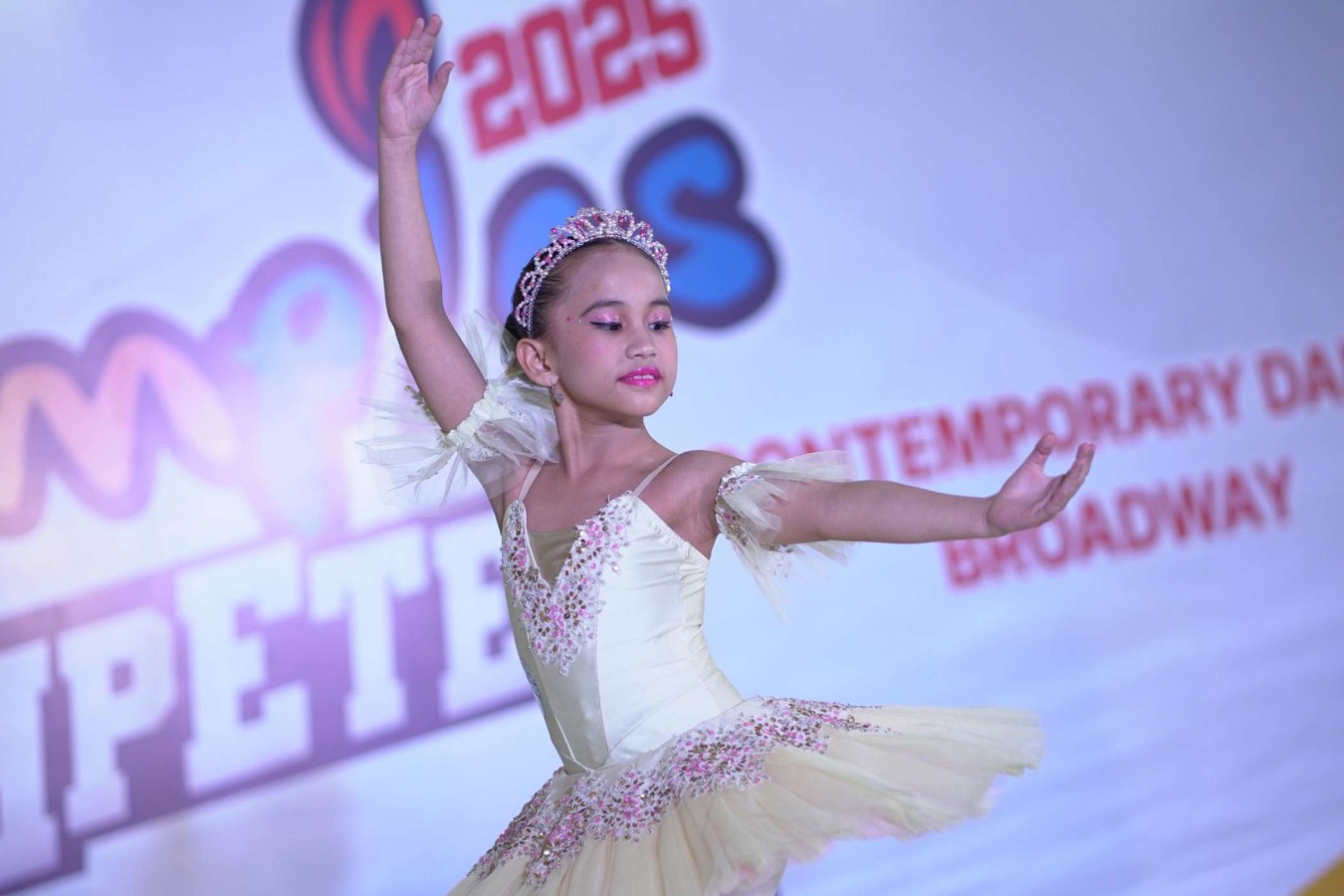
Behind the graceful spin and effortless leap lies years of ballet training, it’s actually guided by a powerful teaching system known as the Vaganova Method. It’s the secret recipe behind many of the world’s most stunning ballet performances!
Let’s dive into the fascinating world of this legendary Russian ballet method that continues to shape dancers around the globe!
What Is the Vaganova Method?
The Vaganova Method is a classical ballet training system that focuses on developing the dancer’s entire body as one harmonious instrument. It teaches dancers not only how to perform movements, but how to express emotion and story through dance.
Unlike some ballet methods that emphasize only athleticism or flexibility, the Vaganova Method balances artistry and technique. It’s making sure every movement is controlled, meaningful, and beautiful.
This method is used worldwide in many top ballet academies because it builds dancers who are strong yet elegant, expressive yet disciplined.
Who Was Agrippina Vaganova?
The story of the Vaganova Method begins with an extraordinary woman: Agrippina Yakovlevna Vaganova (1879–1951).
Born in St. Petersburg, Russia, Agrippina trained at the Imperial Ballet School (now the Vaganova Academy of Russian Ballet). Although she wasn’t initially considered one of the best dancers in her class, her deep understanding of movement, structure, and teaching set her apart later in life.
After retiring from performing, Vaganova dedicated herself to teaching ballet. She spent years observing, experimenting, and analyzing how dancers learn most effectively. Her goal was simple yet ambitious: to create a comprehensive and logical system of ballet education that built dancers from the ground up.
Her method became so successful that she was appointed as a teacher at the Leningrad Choreographic School (now named after her). The school produced some of the world’s most iconic dancers and choreographers, including Rudolf Nureyev, Natalia Makarova, and Mikhail Baryshnikov.
History and Development of the Vaganova Method
In the late 19th and early 20th centuries, Russian ballet was influenced by a mix of French elegance, Italian athleticism, and Russian expressiveness. Agrippina Vaganova studied these styles closely and decided to blend the best of each into one cohesive system.
Her method emphasized a step-by-step approach—ensuring that students mastered the foundations before moving on to complex movements. She documented her approach in her famous book “Basic Principles of Classical Ballet,” which remains a cornerstone text for ballet teachers and students even today.
Over the decades, the Vaganova Method became the official ballet training system of Russia and was adopted by prestigious schools around the world. Today, it continues to shape generations of dancers, maintaining its reputation as one of the most effective and elegant ballet systems ever created.
The Principles of the Vaganova Method
Let’s break down the key principles of Vaganova Method:
1. Turnout – The Secret to That Classic Ballerina Look
You’ve probably seen dancers stand in that iconic position—heels together, toes turned out like a perfect straight line. That’s called turnout, and it’s one of the cornerstones of the Vaganova Method.
But here’s the trick: turnout doesn’t come from twisting the knees or ankles, it comes from rotating the legs outward from the hips. When done correctly, it gives dancers a strong and graceful base to move from. It’s what allows them to spin, leap, and glide smoothly across the stage without losing balance.
2. Alignment
If you’ve ever been told to “stand up straight,” you already understand the idea of alignment. In the Vaganova Method, proper alignment is what keeps dancers’ movements efficient, controlled, and injury-free.
This means keeping the spine straight, the core engaged, and the pelvis properly aligned. Imagine your body as a perfectly balanced stack of building blocks.
3. Extension
When a ballerina lifts her leg sky-high or stretches her arms in a graceful curve, that’s called extension—and the Vaganova Method is famous for it.
Extension isn’t about being flexible for the sake of it; it’s about creating long, elegant lines that make movements look fluid and endless. Vaganova-trained dancers learn to stretch their limbs to their fullest potential while keeping proper alignment and control.
4. Port de Bras
If the legs are the strength of ballet, the arms (port de bras) are its poetry. The way a dancer moves their arms can completely change the mood of a performance.
In the Vaganova Method, arm movements aren’t random or decorative; they’re carefully designed to flow naturally with the movement of the torso and legs. This connection makes the dancer look unified, expressive, and graceful.
5. Footwork
Behind every graceful leap or turn lies precise, powerful footwork. The Vaganova Method pays close attention to how dancers use their feet.
Vaganova believed that clarity and precision in footwork are what make ballet truly beautiful. Dancers train to place their feet correctly, move with rhythm, and stay in sync with the music. It’s about how confident and secure the dancer feels while performing.
6. Discipline and Hard Work
Finally, perhaps the most important principle of all: discipline and dedication. Agrippina Vaganova believed that true artistry comes from consistent effort, not shortcuts.
Students following the Vaganova Method learn that progress doesn’t happen overnight. It takes patience, focus, and daily practice. But as they train, they gain not only technical mastery but also confidence, perseverance, and pride in what they’ve accomplished.
The Benefits of the Vaganova Method
The results of this training speak for themselves. Here’s why it’s such a beneficial system:
- Develops strong technical foundations
- Promotes artistic expression
- Improves body awareness and discipline
- Encourages lifelong strength and flexibility
- Creates confident, well-rounded dancers
Ready to Learn the Iconic Vaganova Method?
If you or your children are inspired by the beauty of ballet, there’s no better place to start than at Rockstar Academy. As the best Sports & Performing Arts Academy, Rockstar Academy offers a world-class Ballet Program built on the renowned Russian Vaganova Method with RAD Ballet Testing.
Students at Rockstar Academy also participate in Curriculum & Exam Routines, ensuring that progress is measurable and recognized.
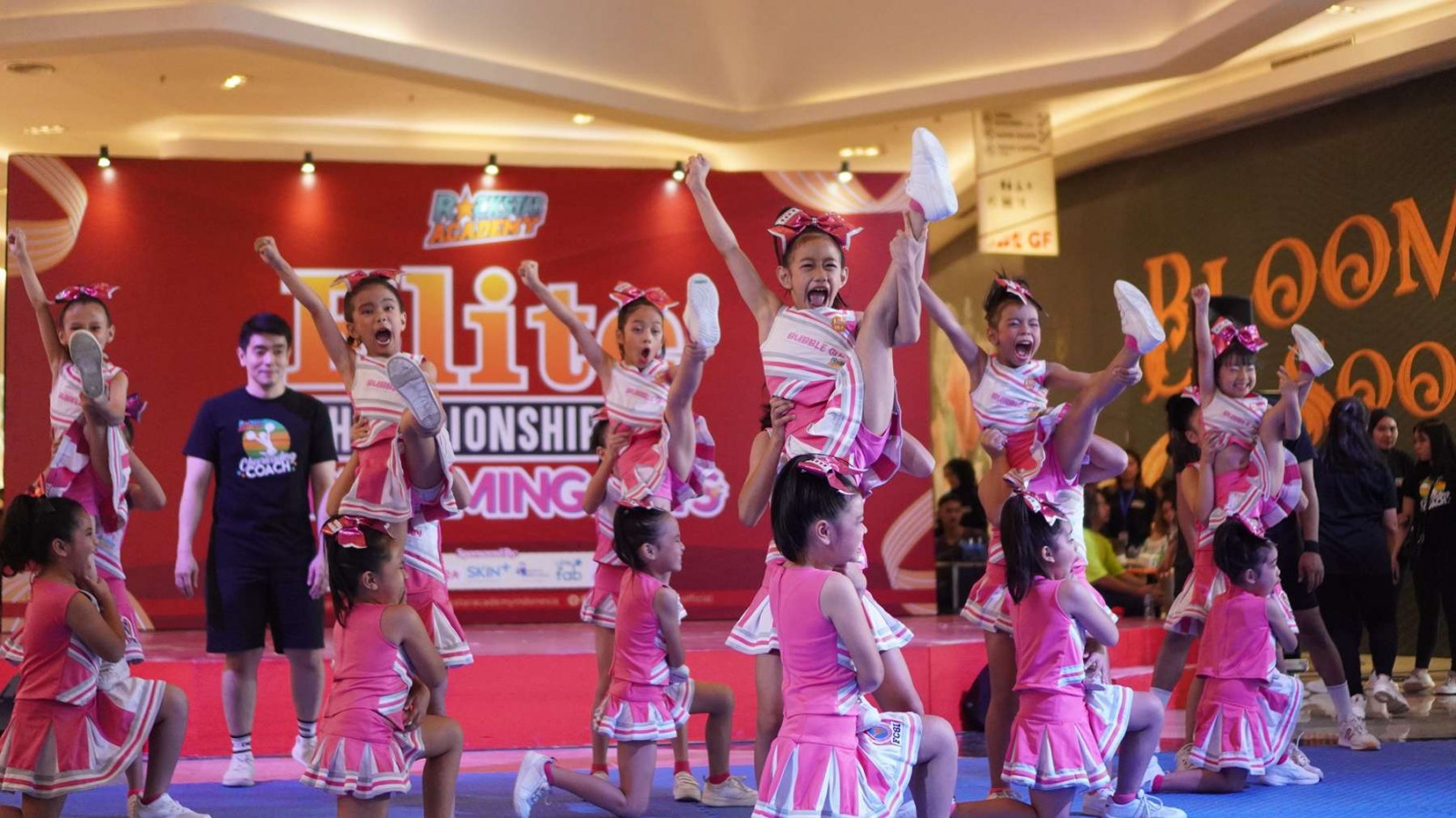
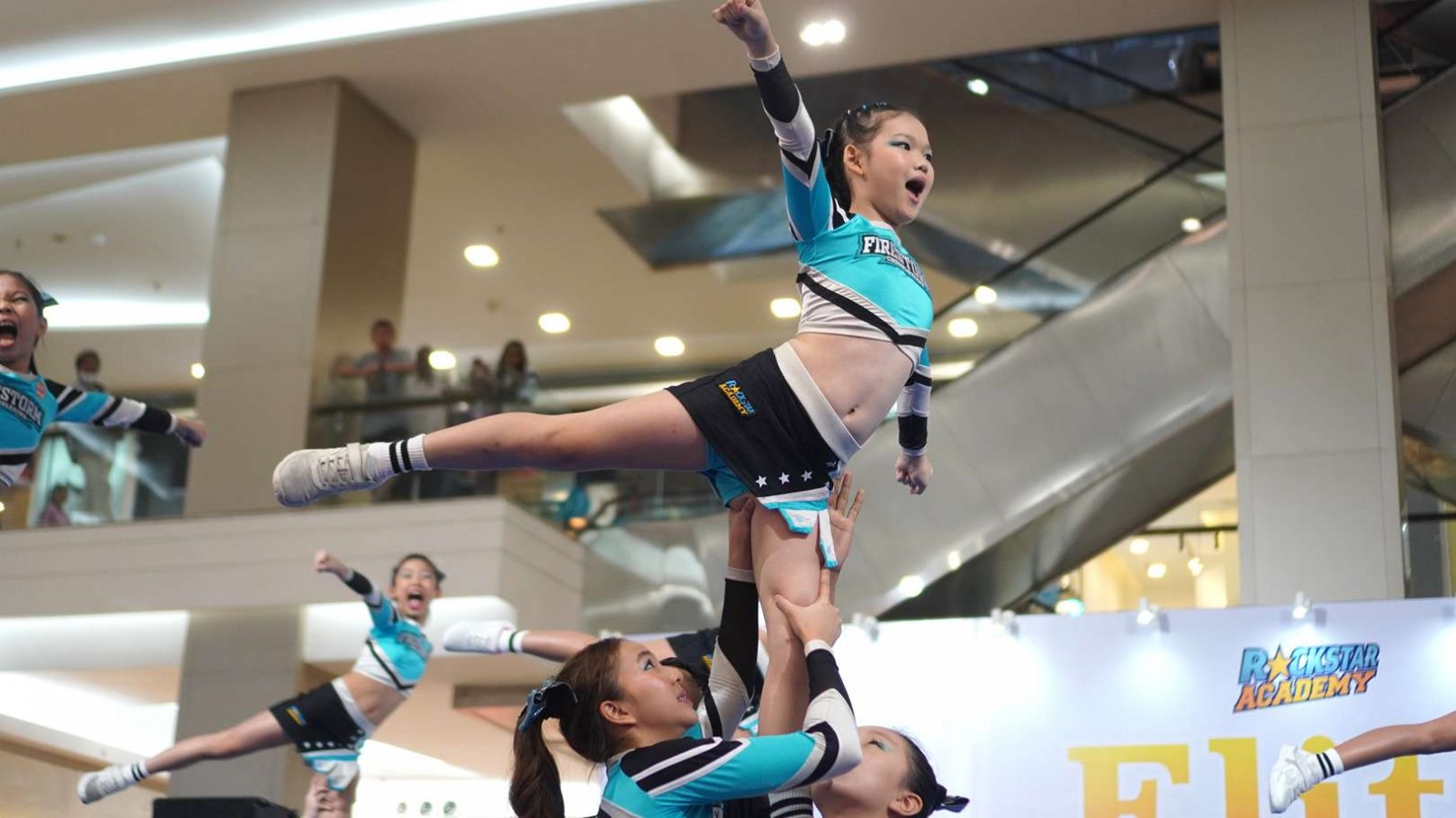
Here, young dancers can showcase their growth and passion in exciting events like the Ballet & Contemporary Dance Recital, Elite Championships, and RockOlympics—unforgettable learning experiences that let them shine on stage and discover their true potential.
For those who want to go even further, Rockstar Academy also offers Private Instructions, providing personalized intensive training, detailed instructor feedback, progress reports, training videos, and weekly home exercises to help students continuously improve.
So, whether your child dreams of becoming a professional dancer or simply wants to explore the magic of ballet, Rockstar Academy is the perfect place to make it happen. Sign up for a free trial class today and watch your child take their first graceful step into the inspiring world of ballet!
FAQ
What age is best to start learning the Vaganova Method?
Children as young as 4 or 5 years old can begin ballet classes based on the Vaganova Method. The training is structured to match their age and physical development, allowing them to progress naturally and safely.
Is the Vaganova Method suitable for beginners?
Absolutely! The Vaganova Method was designed to build dancers step by step. It’s perfect for beginners because it focuses on mastering basic skills before advancing to more complex movements.