10 Essential Tips on How to Teach Young Dual Language Learners Effectively
Teaching young dual language learners (DLLs) is a beautiful journey filled with curiosity, creativity, and “aha!” moments. These children are learning two (or more!) languages at the same time, which is an incredible advantage for their brains—but they also need the right kind of support to truly thrive.
In this article, we’ll walk through 10 essential, practical tips to support young dual language learners effectively. Let’s get started!
10 Tips on How to Teach Dual Language Learners Effectively
Children learning two languages have flexible brains, strong listening skills, and unique cultural experiences. With the right support, they can thrive academically and socially.
Let’s break down 10 powerful tips that truly make a difference in the classroom.
1. Learn About Each Child’s Language Background
Every dual language learner comes from a unique language environment. Some children speak one language at home and another at school, while others grow up hearing and using two languages from birth.
Understanding a child’s language background helps teachers set realistic expectations and provide the right kind of support. When you know which language a child is most comfortable with, you can better interpret their responses, whether they use words, gestures, or facial expressions.
This awareness also prevents misunderstandings as quiet behavior does not mean a child is struggling; they may simply be processing language in a different way.
2. Create a Safe and Welcoming Learning Environment
A warm and welcoming classroom encourages children to take risks with language. Dual language learners are more likely to speak, try new words, and participate when they feel accepted and respected.
Simple actions like smiling, using a calm tone, and acknowledging effort go a long way. Instead of correcting mistakes directly, teachers should model the correct language naturally. When children feel safe from judgment, they become more confident communicators.
3. Enroll in an English Preschool Program at Rockstar Academy
One of the most effective ways to support dual language learners is by enrolling them in a structured English preschool program at Rockstar Academy. In a high-quality English-speaking environment, children are naturally exposed to daily conversations, songs, stories, and classroom routines that help them absorb the language in a fun and meaningful way.
At Rockstar Academy, English learning is not limited to textbooks, but also woven into play-based learning, physical movement, social interaction, and creative exploration. This approach allows young learners to build confidence, improve listening and speaking skills, and develop a strong foundation in English while still feeling supported and understood.
When learning English for kindergarten through experiences, children grow into confident communicators who are ready for both academic success and social interaction in a bilingual world.
4. Build Strong Relationships Before Academic Pressure
Language development grows best through strong relationships. Before focusing on academic goals, children need to trust the adults around them. When teachers take time to talk, listen, and play with children, language learning happens naturally.
Sitting beside a child during play, commenting on what they are doing, and showing genuine interest helps children feel seen and valued. Once trust is built, children are more willing to speak, ask questions, and engage in learning activities.
5. Use Simple, Clear, and Consistent Language
Dual language learners benefit most from language that is clear and predictable. Using short sentences, familiar words, and consistent phrases helps children understand instructions more easily.
Speaking slowly and repeating key words allows them to connect meaning with language. Long or complex instructions can be overwhelming, so breaking directions into small steps makes learning more accessible and less stressful.
6. Support Language with Visuals, Gestures, and Actions
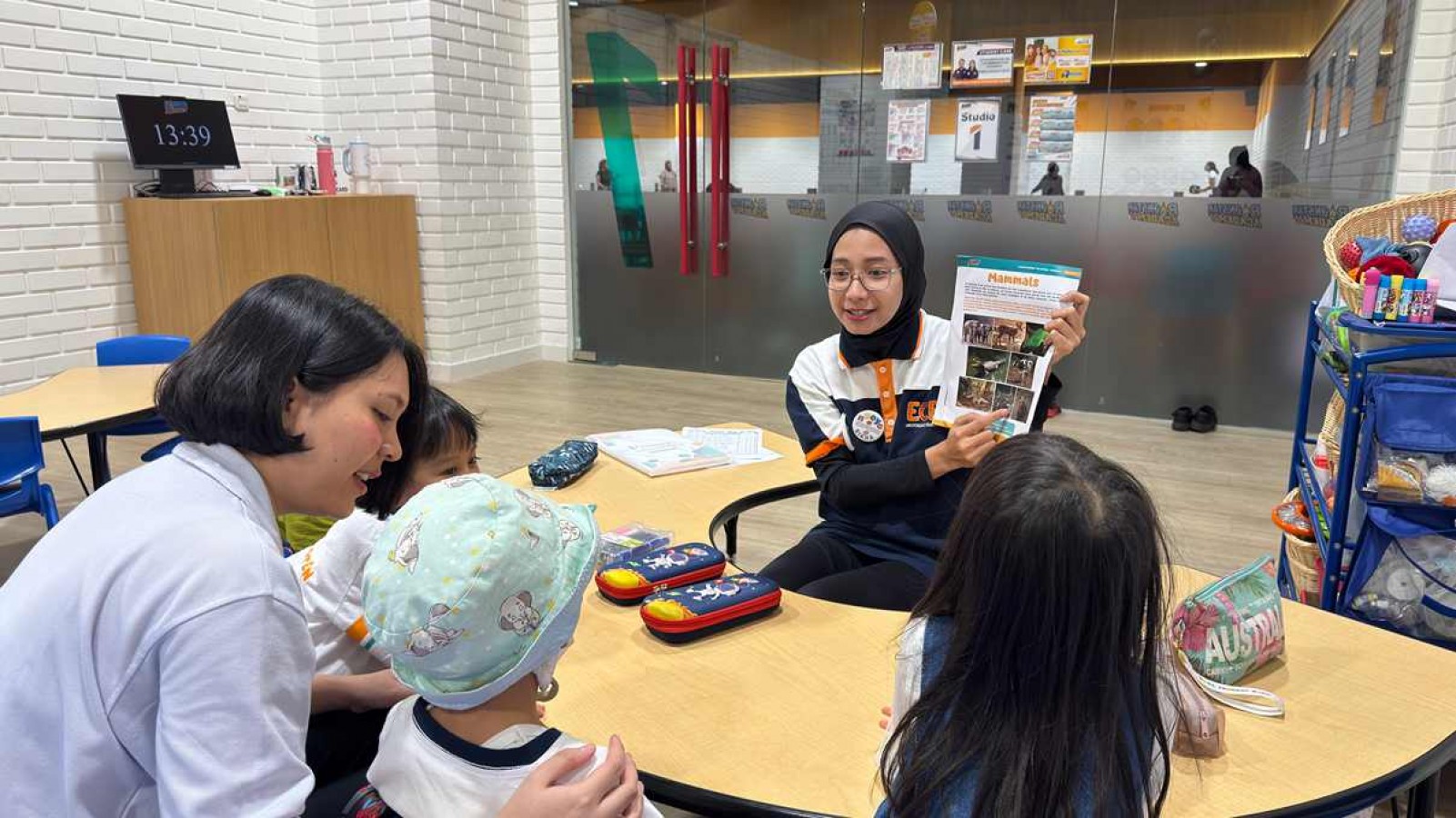
Children understand language faster when words are supported by visuals and movement. Pictures, real objects, gestures, and facial expressions help bridge the gap between what children hear and what they understand.
This approach allows children to follow along even if they cannot yet express themselves verbally. When teachers consistently pair words with actions, children begin to associate meaning with language in a natural and engaging way.
7. Encourage and Respect the Home Language
A child’s home language is an important part of their identity and learning foundation. Supporting the home language does not slow down second-language learning—in fact, it strengthens it.
When children feel proud of their language and culture, they gain confidence and motivation to learn. Teachers can encourage this by welcoming words from home languages, using bilingual books, or allowing children to express ideas in the language they are most comfortable with.
8. Use Play as a Powerful Language Tool
Play is one of the most effective ways for young children to learn language. Through pretend play, games, and hands-on activities, children practice new vocabulary and social communication in meaningful contexts.
Play allows children to experiment with language without pressure, making learning feel natural and fun. When teachers model simple phrases during play, children begin to copy and use those words in their own interactions.
9. Read Aloud Daily and Make It Interactive
Reading aloud every day helps build vocabulary, listening skills, and comprehension for dual language learners. Books with clear pictures and repetitive language are especially helpful.
Reading the same story multiple times allows children to become familiar with words and patterns. Asking simple questions, pointing to pictures, and encouraging children to respond in any way keeps them engaged and supports language growth.
10. Be Patient with the Silent Period
Many dual language learners experience a silent period, during which they understand more than they can express. This phase is a normal part of language development and should be respected.
Teachers should continue talking to the child, offering opportunities to participate without forcing speech. Non-verbal responses, such as nodding or pointing, are signs that learning is taking place. With time and support, spoken language will emerge naturally.
Enroll Your Children to Rockstar Academy!
Teaching young dual language learners is all about patience, encouragement, and creating meaningful learning experiences that help children feel confident using more than one language.
If you’re still looking for the best early childhood education to support your child’s language and overall development, consider the Preschool & Kindergarten programs at Rockstar Academy.
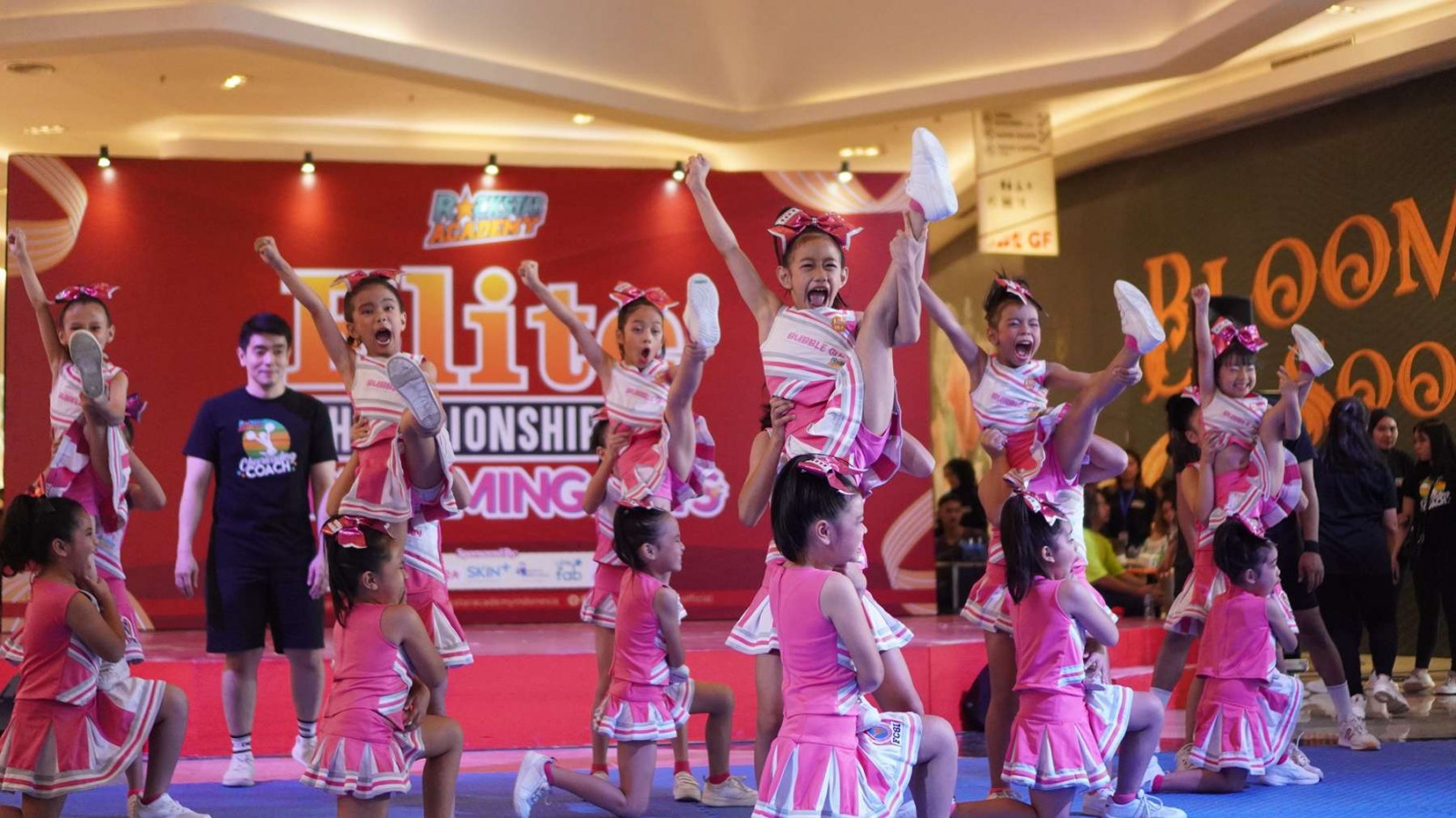
Only at Rockstar Academy will your child experience a unique blend of preschool and kindergarten learning, exciting physical activities, and opportunities to join events and competitions designed for different ages, skill levels, and interests—including participation in Elite Championships.
With guidance from our experienced teachers, your child will become more adaptable and self-assured in their abilities. Try our FREE trial class and let your little rockstar experience the fun, learning, and excitement at Rockstar Academy—because every child deserves a great start!
FAQ
Are dual language learners confused by learning two languages at once?
No. Research shows that children can learn multiple languages without confusion. Mixing languages is a normal part of development.
Should teachers only use English in the classroom?
Not necessarily. Using a child’s home language for support helps them feel secure and supports overall language development.
How long does it take for dual language learners to become fluent?
It varies. Basic communication may develop within 1–2 years, while academic language can take longer. Being patient is key.