Perimeter Defense Basketball: Fundamentals, Drills, and Tips to Lock Down the Arc
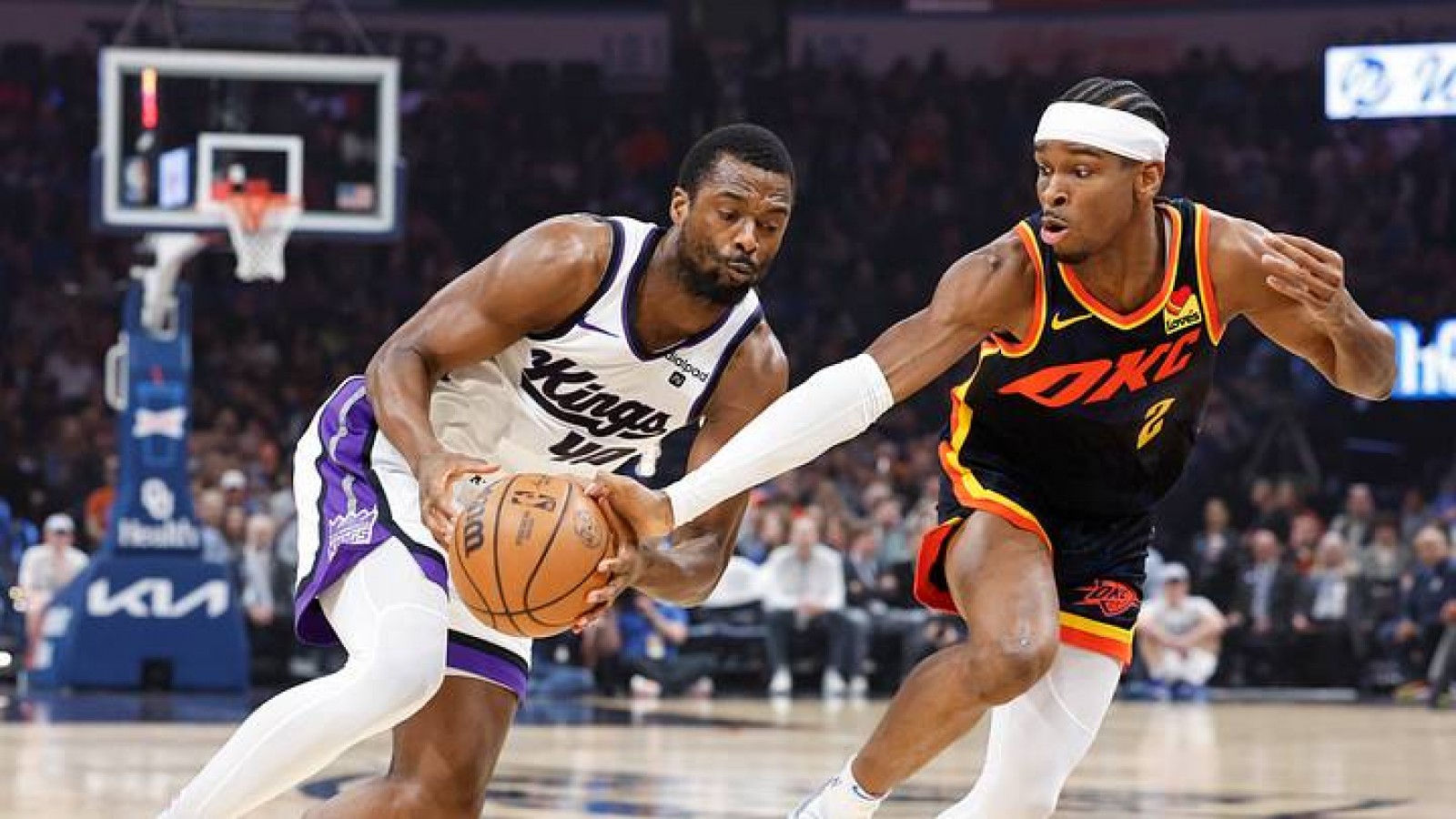
Defending the arc is one of the most important and challenging tasks in modern basketball. With 3-point shots becoming more plentiful and efficient at all levels, mastering perimeter defense can be the difference between winning and losing.
In this article we’ll break down everything you need to know about perimeter defense basketball: what the “perimeter” really means in basketball, the key elements of defending it well, specific drills to sharpen your skills, and actionable tips you can take onto the court.
What is the Perimeter?
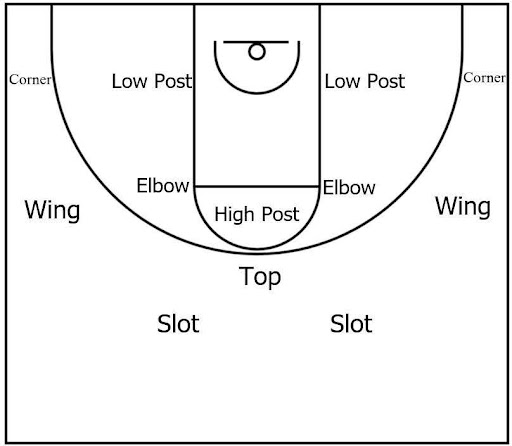
When coaches talk about “perimeter” in basketball, they’re referring to those areas outside of the lane/paint, areas away from the immediate basket where shooters, cutters, and ball-handlers often operate.
- Top (top of the key / point): Just behind the three-point line in the middle above the free-throw line extended.
- Wings: Behind the three-point line adjacent to the sideline roughly around the free-throw line extended.
- Corners: Behind the three-point line near the baseline and sideline intersection.
- Slots / High Post / Elbows: Somewhat inside the three-point line but still counted by some as perimeter areas, these are the areas just outside the lane but inside the arc.
Why Defending The Perimeter is Critical
A lot of action happens on the perimeter, where shooters catch and fire, ball-handlers create drives or pull-up jumpers, and offensive plays use screens to open up shots.
When defenders give up open looks in this area, the opposing team can score easily without needing to attack the paint. Strong perimeter defense can help blocking shoot, forcing the offense to drive inside where help defenders can rotate, creating more chances for rebounds and blocks.
Key Elements of Perimeter Defense
Let’s break down the fundamentals, what the defender must do to be effective. Here’s key elements of perimeter defense:
1. Defensive Stance
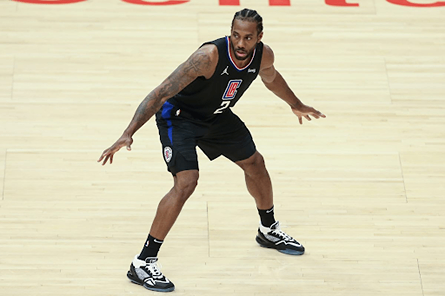
- Feet slightly wider than shoulder width; knees bent; back straight.
- Stay on the balls of your feet, not flat-footed. This allows quicker reaction.
- Hands active: if guarding the ball, your hands should react to the ball-handler’s movement (if ball is high, hands high; if dribble low, hands lower).
2. Lateral Footwork / Sliding
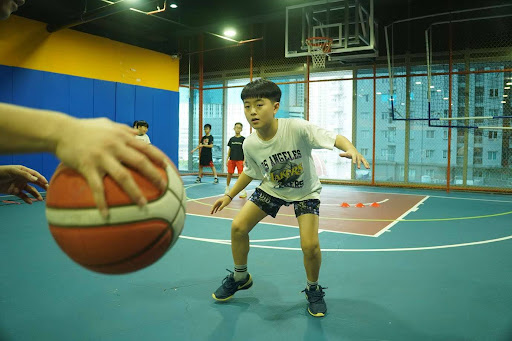
- When the offensive player moves, you must slide laterally in a defensive stance, no crossing feet, no turning your back.
- Short, crisp steps are better than long strides which can compromise balance.
3. Maintaining Proper Distance
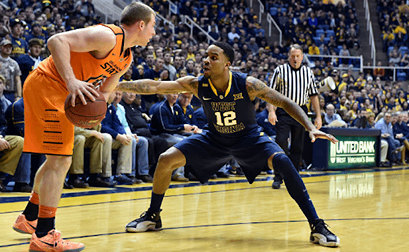
- If you’re too close, the offensive player can drive by you; if you’re too far, you give up the three-pointer. Just remember to start about an arm’s length away.
- You also have to adjust based on the opponent's strengths.
4. Hands & Ball Pressure
- Use one hand to question the ball/ball-handler (poke or disrupt dribble) and another hand to defend passing lanes or contest shots.
- While contesting drives and shots, avoid reaching or swinging down at the ball (which increases foul risk). Instead, swipe up.
5. Conditioning and Core Strength
- The best perimeter defenders combine technique with athleticism: strong hips, abs, glutes, quick feet.
- Because perimeter defense requires constant movement, slides, closeouts, recovery, you need conditioning to maintain quality throughout a game.
6. Awareness & Help/Rotation
- Perimeter defense isn’t just one-on-one. You must know when the help is coming, when you need to recover, when to switch or hedge.
- Recognizing screens, anticipating passes, understanding where the ball is (and where help could be) are crucial.
7. Shot and Drive Deterrence Mindset
- On the perimeter, you’re stopping two things: easy pull-up jumpers and drive-penetration into the paint.
- Your goal is to force the shooter into a tougher shot (longer or contested) or force the driver into a help-defender. The defensive stance, distance, slide, and pressure all help achieve that.
Drills to Lock Down the Arc
Here are several drills you can bring to practice or work on yourself to sharpen your perimeter defense.
1. Close-out & Recover
The defender starts near the paint, quickly closes out on a wing or corner shooter with short, controlled steps, and stays balanced to recover if the opponent drives. It trains defenders to react quickly and turn open perimeter shots into contested ones.
2. Slide & Mirror Ball-handler
This drill has an offensive player dribbling while the defender mirrors every move, staying low and maintaining the right distance. It emphasizes balance, lateral slides, and active hands, helping defenders build the key skills to stay in front of their opponent on the perimeter.
3. Shuffle to Close-out, Contest & Recover
In this drill, the defender sprints or shuffles to different cone spots, performs a controlled close-out with raised hands, and then recovers against a simulated drive. It helps improve transition speed, footwork, and recovery for effective perimeter defense.
Learn Perimeter Defense!
Mastering perimeter defense is what separates good basketball players from great competitors. In every game, those who can lock down the arc not only stop points from beyond the line but also shift the momentum of the entire match.
At Rockstar Academy, the Sports & Performing Arts Academy is designed to develop young athletes into confident, skilled, and disciplined performers both on and off the court.
Through structured basketball programs, professional coaching, and a fun, supportive environment, students learn not just the technical aspects like perimeter defense, footwork, and teamwork, but also essential values such as sportsmanship, perseverance, and confidence.
We also offer an exclusive Dream Team for students who are ready to take their skills to the next level. Open to both boys and girls, the Dream Team provides 120 minutes of high-intensity training led by our most experienced instructors on professional courts.
We also give students the opportunity to experience real competitions and events, helping them grow both as athletes and team players. Students can take part in exciting tournaments such as RockOlympics and Elite Championships, where they get to showcase their skills, teamwork, and sportsmanship.
Joining Rockstar Academy means you’ll gain access to world-class facilities, experienced coaches, and a community that inspires growth in every session. Sign up for a free trial class now and experience it for yourself!
FAQ
Does “perimeter” mean only beyond the three-point line?
Not exactly. The perimeter generally refers to areas outside the lane/paint—this includes the top, wings, corners, and sometimes the high-post/elbows (just inside the arc).
If I’m a big (power forward or center) do I ever play perimeter defense?
Yes. If your opponent, say a shooting forward or stretch-five, finds himself on the wing or corner, you may need to defend out there. The role doesn’t always fall to guards.
Should I always stay “face-to-face” with my man on the perimeter?
Yes for on-ball defense. But you also need to be aware of the ball, help side, and off-ball actions. Being “face-to-face” means staying between your man and the basket, in the proper stance, ready to slide or close-out.