Understanding Learning Difficulties: Signs, Differences, and Effective Parental Support

Are your children struggling with reading, writing, or learning math problems, even though they seem bright and curious? Maybe they forget instructions easily or take longer to complete schoolwork compared to their peers. If that sounds familiar, you’re definitely not alone.
Many parents notice similar challenges in their children and the good news is, children with learning difficulties can thrive and shine in their own way. Learning difficulties don’t mean a child isn’t intelligent.
In fact, many children with learning challenges are creative, observant, and full of unique talents. The key is knowing how they learn best and how you, as a parent, can support them.
What Are Learning Difficulties?
Learning difficulties refer to challenges that affect how a person understands, processes, or remembers information. These difficulties can make learning academic skills like reading, writing, spelling, or math more challenging than usual.
Learning difficulties do not mean the child is lazy, unmotivated, or less intelligent. They simply process information differently, which means they might need more time, different teaching strategies, or extra guidance.
Learning Difficulty vs. Learning Disorder: What’s the Difference?
It’s common to hear the terms learning difficulty and learning disorder used interchangeably, but they actually mean different things.
A learning difficulty is a broad term used to describe challenges that make learning harder. Children with learning difficulties may struggle with attention, memory, organization, or certain subjects, even though they are otherwise capable and intelligent.
These difficulties are often temporary and can improve with the right teaching methods, extra practice, and support at home or school. They are not usually diagnosed medically but are often noticed through classroom performance and daily observations.
On the other hand, a learning disorder (also called a learning disability) is a medical or neurological condition that specifically affects the brain’s ability to process certain types of information. [Cleveland Clinic, 2024]
Examples include dyslexia, dyscalculia, and dysgraphia. Learning disorders are typically lifelong, though children can manage them successfully with proper strategies, individualized instruction, and professional help.
Early Signs of Learning Difficulties in Children
Every child develops at their own pace, but there are some common signs that might indicate a learning difficulty. These signs can appear as early as preschool and become more noticeable as academic demands increase in primary school.
Here are some early indicators to watch out for:
1. Language and Communication Challenges
- Trouble learning new words or forming full sentences.
- Difficulty following multi-step instructions (“Go upstairs, get your shoes, and bring them down.”).
- Mixing up sounds or words frequently.
- Struggling to tell stories in the right order.
2. Reading and Writing Difficulties
- Trouble recognizing letters or connecting them with sounds.
- Reading slowly or guessing words instead of decoding them.
- Difficulty copying words from the board.
- Poor spelling or letter reversals (e.g., writing “b” instead of “d”).
3. Math Struggles
- Problems understanding basic number concepts (like “more” or “less”).
- Difficulty remembering math facts (like addition or multiplication tables).
- Trouble aligning numbers when writing equations.
- Mixing up mathematical symbols or losing track of multi-step problems.
4. Attention and Memory Issues
- Easily distracted or having trouble staying focused on tasks.
- Frequently forgetting instructions or what they just learned.
- Losing things often.
5. Coordination and Organization Challenges
- Difficulty with tasks requiring fine motor skills (like tying shoelaces or holding a pencil).
- Poor sense of direction or confusion with spatial concepts (left vs. right).
- Trouble organizing schoolwork or completing tasks in sequence.
6. Emotional and Behavioral Signs
- Avoiding school or homework out of frustration.
- Low self-esteem or frequent statements like “I’m dumb” or “I can’t do it.”
- Getting easily upset or anxious about learning tasks.
If you notice several of these signs consistently, it doesn’t necessarily mean your child has a disorder. But it may indicate that they need extra learning support or a more tailored teaching approach.
How Parents Can Support Children with Learning Difficulties
As a parent, you play one of the most important roles in your child’s learning journey. When a child faces learning difficulties, they need emotional encouragement, structure, and understanding. Here are some effective and practical ways to support children with learning difficulties both at home and beyond:
1. Focus on Their Strengths, Not Just Weaknesses
Children with learning difficulties often get labeled by what they can’t do. But focusing only on these weaknesses can lower their self-esteem. Instead, highlight what they can do well.
When you acknowledge their strengths, you help them feel capable and motivated to face their challenges. Confidence is a key ingredient in overcoming learning barriers.
2. Create a Supportive Learning Environment
Children with learning difficulties thrive in structured, organized, and calm settings. Too many distractions can make it harder for them to concentrate.
Create a quiet, dedicated study space at home where your child can focus. Keep it neat and well-lit. Use tools like visual charts, color-coded folders, and daily planners to help them stay organized.
3. Communicate Regularly with Teachers
Your child’s teachers are your partners in this journey. Open communication ensures that everyone is on the same page about your child’s progress and needs.
Talk to teachers about your child’s challenges and strengths. Ask what strategies work best in class, and see how you can reinforce them at home. Teachers can also inform you if your child might benefit from extra help, such as remedial programs or special accommodations.
4. Encourage Effort Over Perfection
Children with learning difficulties often feel they must “catch up” to their peers, which can make them anxious or frustrated. They may fear making mistakes or giving the wrong answer. As a parent, your words can make a huge difference.
Focus on effort, persistence, and progress rather than perfection. Praise their hard work and determination, not just the final result. When children feel safe to make mistakes, they’re more likely to take risks in learning.
- Instead of: “Why did you get it wrong again?”
- Say: “I can see you tried really hard — let’s figure it out together.”
When children feel encouraged for trying, not judged for failing, they develop a belief that they can get better with effort.
5. Seek Professional Help When Needed
Sometimes, learning difficulties may be signs of an underlying learning disorder such as dyslexia, dyscalculia, or dysgraphia. If your child continues to struggle despite consistent support, it may be time to consult professionals like educational psychologists or learning specialists.
Early intervention makes a big difference. Professionals can conduct assessments to identify your child’s specific challenges and strengths. Based on the results, they can develop a personalized learning plan or an Individualized Education Plan (IEP) that outlines specific strategies, accommodations, and goals.
6. Use Fun, Multisensory Learning Techniques
Children with learning difficulties often need to engage more than one sense to fully understand new information. Multisensory learning helps strengthen memory and comprehension.
This approach turns abstract lessons into concrete, memorable experiences. The more senses involved, the stronger the brain connections become.
7. Build Emotional Resilience
Children with learning difficulties often experience frustration, embarrassment, or self-doubt. Emotional resilience helps them bounce back from challenges and keep trying, even when things get tough.
One way to build resilience is by normalizing mistakes. Let your child know that struggling means they’re learning. Encourage them to express their feelings and reassure them that it’s okay to ask for help.
You can also inspire them by sharing stories of successful people who faced similar challenges — like Albert Einstein, who struggled in school but became one of the greatest scientists, or Whoopi Goldberg, who overcame dyslexia to become an award-winning actress.
8. Celebrate Progress, No Matter How Small
Progress for children with learning difficulties often comes in small steps and every one of them deserves recognition. Celebrating these small victories helps build motivation and self-confidence.
Praise your child’s effort, creativity, and determination. You can use reward charts, stickers, or simply kind words to show appreciation. What matters is that your child feels seen and valued for their hard work.
Need Help?
In the end, understanding and supporting children with learning difficulties is all about patience, encouragement, and finding the right environment where they can thrive. If you’re still looking for help or the best place to nurture your child’s early learning journey, try the Preschool & Kindergarten programs at Rockstar Academy.
Only at Rockstar Academy, your child can experience a best Sports & Performing Arts Academy that combines academics with exciting physical activities, events, and competitions suited for different ages, skill levels, and interests.
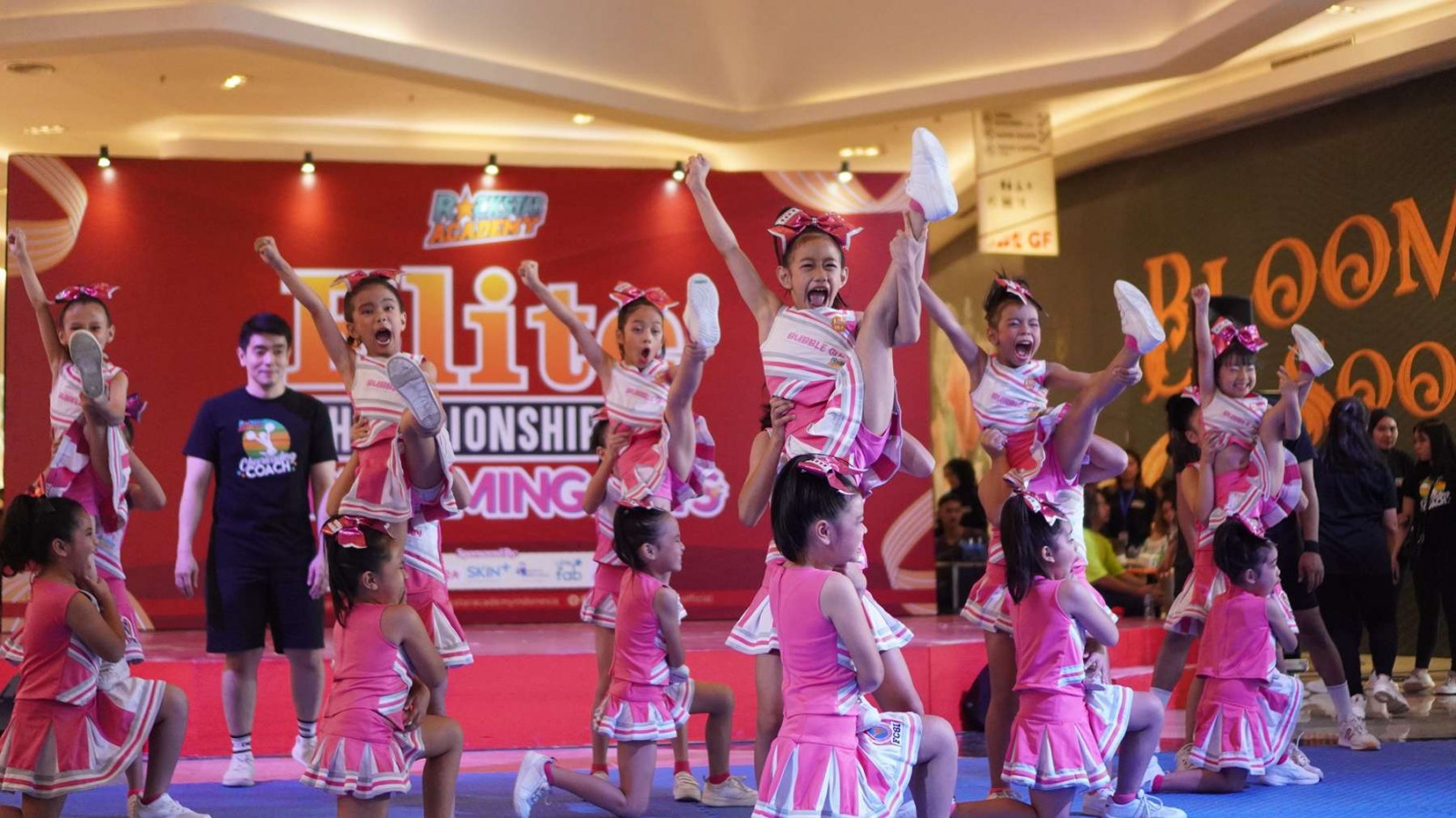
They’ll even get the chance to participate in the Elite Championships, which is a wonderful way to build confidence and teamwork. With guidance from our experienced and caring teachers, every class helps children become more adaptive, resilient, and proud of their progress.
Plus, you can sign up for a free trial class before enrolling so your child can discover the joy of learning in a fun, supportive environment!
FAQ
What are learning difficulties in children?
Learning difficulties are challenges that affect how a child learns, understands, or processes information. They may struggle with reading, writing, math, memory, or attention but these difficulties don’t mean the child isn’t intelligent. They simply learn in a different way and may need extra support or different teaching methods.
What is the difference between learning disabilities and learning difficulties?
Learning difficulties are general challenges in learning that can often be improved with support and teaching strategies, while learning disabilities (or learning disorders) are diagnosed neurological conditions like dyslexia or dyscalculia that affect specific learning processes and usually require specialized intervention.
Can a child outgrow learning difficulties?
Some learning difficulties can improve with support, maturity, and effective teaching strategies. However, specific learning disorders (like dyslexia) are lifelong but children can learn coping techniques to manage them successfully.