What is Freestyle Dance? Types, Tips, and Training for Improvisation
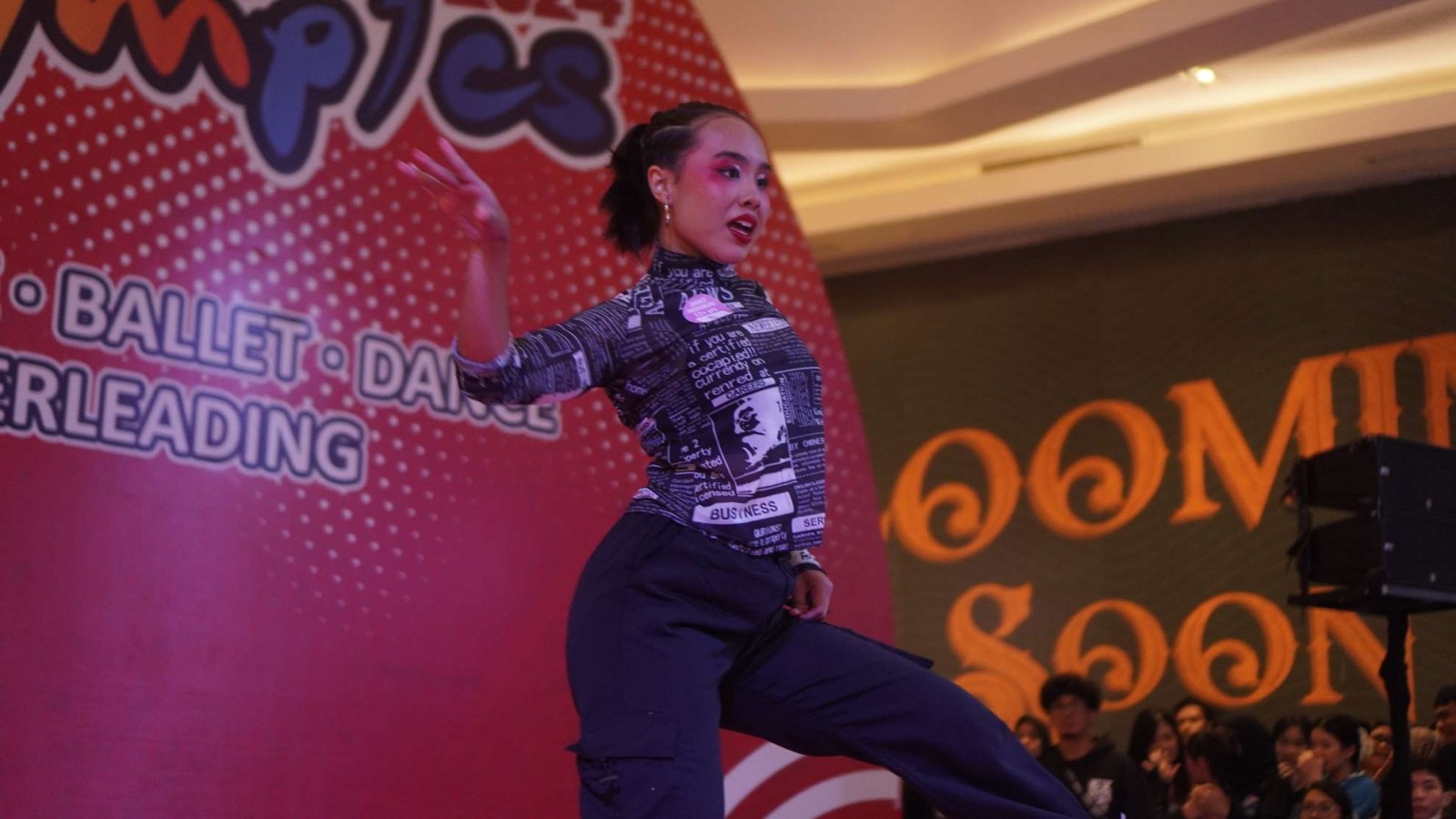
Have you ever been to a party or watched a dance battle where someone just moves with the music, completely free, and somehow every step looks perfectly in rhythm? That’s called freestyle dance!
In this article, we’ll break down everything you need to know about freestyle dance, the types of freestyle dance styles out there, and some tips to help you get started and grow your improvisation skills. So put on your favorite track, loosen up your shoulders, and let’s dive in!
What is Freestyle Dance?
Freestyle dance is a modern dance where you dance freely without following a pre-set choreography. The dancer listens to the music, feels the rhythm, and lets their body move naturally and spontaneously.
Unlike choreographed routines that are carefully planned and rehearsed, freestyle dance focuses on self-expression and creativity. Every move is unique to the dancer and the moment.
You might be surprised to know that freestyle isn’t just random movement. Dancers who are good at freestyling understand rhythm, timing, musicality, and body control. They can blend techniques, switch between dance styles, and use their creativity to interpret the music in new ways.
The History of Freestyle Dance
Freestyle dance has deep roots in street culture, especially within hip-hop and funk movements of the 1970s and 1980s. In places like New York and Los Angeles, dancers started “freestyling” during block parties, using their own moves to express individuality.
Each dancer developed their own “signature style,” mixing influences from jazz, popping, locking, and breaking. Over time, freestyle dance became an essential skill in battles and dance circles where dancers take turns showing off their moves.
Today, freestyle dance has evolved beyond hip-hop. It’s found in contemporary dance, K-pop training sessions, dance workouts, and even TikTok trends.
Types of Freestyle Dance
Freestyle dance isn’t one single style. It’s more like a creative umbrella covering many different dance forms that embrace improvisation. Here are some of the most popular freestyle types you might want to explore:
1. Hip-Hop Freestyle
Hip-hop freestyle is probably the most well-known form. It includes movements from popping, locking, waving, tutting, and breaking. Dancers focus on groove, rhythm, and personal flair.
Hip-hop freestyling is common in dance battles and street performances where individuality is key. You’ll see dancers “feeling the beat,” playing with tempo, and adding attitude to their steps.
2. Contemporary Freestyle
Contemporary freestyle blends ballet, modern dance, and floor work with fluid, expressive movement. Dancers often use their emotions and the music’s energy to guide their flow.
In this style, every move tells a story. The goal is to express inner feelings and create an emotional connection through movement.
3. Breaking (B-Boy/B-Girl Freestyle)
Breaking, or breakdancing, is an energetic and athletic form of freestyle dance. Dancers combine power moves, freezes, and footwork with musical improvisation.
While there are foundational moves in breaking, freestylers create their own transitions and combinations, often adapting to the beat drop or a DJ’s remix during a battle.
4. House Freestyle
House freestyle dance originated from clubs in Chicago and New York, focusing on fast, rhythmic footwork and fluid upper-body movements. The beats are often house or electronic, and the movements are continuous, creating a feeling of flow and freedom.
House freestyle is all about letting the rhythm guide your feet while keeping your movements light and bouncy.
5. Krumping Freestyle
Krumping is an intense, expressive, and emotional dance style that started in Los Angeles. It’s characterized by strong, exaggerated movements used to express raw emotion.
Freestyle krumping feels almost like storytelling through high-energy physical expression. It’s therapeutic, powerful, and deeply personal.
6. Waacking and Voguing
Both waacking and voguing are freestyle styles rooted in self-expression and individuality. Waacking involves fast arm movements and poses, while voguing focuses on angular poses, fluid transitions, and attitude.
Tips to Do and Learn Freestyle Dance
So, you’re ready to let loose and start freestyling? Awesome! Here are some beginner-friendly tips to help you become more confident with improvisation and discover your own unique dance style:
1. Really Listen to the Music
The foundation of freestyle dance is music. Before you even think about what moves to do, take a moment to feel the rhythm. Let the beat, melody, and lyrics flow through you. Ask yourself: does this song make you want to jump, sway, groove, or slide?
When you truly listen, your body will naturally respond to what it hears. Every drum beat, vocal, or pause becomes a cue for movement.
2. Start with Simple Grooves
Many beginners think freestyle means pulling off fancy or complicated moves. But the truth is, even the best freestylers start simple. Begin with easy grooves like side steps, body rolls, shoulder bounces, or hip sways.
The goal here isn’t to impress but to connect with the beat. Once you feel the groove, start experimenting: speed it up, slow it down, make the movement bigger or smaller, or change directions.
3. Mirror Practice
A mirror can be your best dance buddy! When you dance in front of one, you can see how your movements look and how your body flows from one move to another.
Pay attention to your posture, hand movements, and facial expressions. Are you relaxed? Does it look natural? Watching yourself helps you spot what feels authentic and what might look forced.
You can even record your practice sessions. When you watch the video later, you might notice moments that look amazing or ideas for new moves to try next time.
4. Don’t Overthink It
One of the biggest mistakes dancers make when freestyling is worrying too much about how they look. The moment you start thinking, “Do I look awkward?” — you break the connection with the music.
The best freestylers don’t plan every move. They just let go and let their bodies do the talking. Even if you make a “mistake,” roll with it! Turn it into a new move or transition. So relax, smile, and just move to the beat!
5. Explore Different Dance Styles
The beauty of freestyle is that you can mix and match elements from all kinds of dance styles. The more you learn, the more creative tools you’ll have to express yourself.
Take a hip-hop class to learn groove and flow. Try contemporary dance to understand emotion and fluidity. Join a jazz or street dance session to develop sharpness and control. Every style teaches you something new about movement, rhythm, and expression.
6. Use Levels and Space
Don’t trap yourself in one spot! Freestyle dance becomes much more dynamic when you use your space creatively. Move forward and backward, side to side, or even in circles.
Play with levels, too. These changes make your freestyle more visually interesting and help you feel more connected to your surroundings.
7. Train Your Musicality
Musicality is the ability to interpret and respond to music with precision and feeling. Great freestylers speak through their movements, matching their energy to the rhythm and melody.
Try clapping or tapping your foot to the beat while listening to a song. These changes are perfect moments to switch your moves or add a dramatic effect.
You can also experiment with dancing to different instruments. Over time, your body will naturally learn how to “hit” the music in creative and expressive ways.
8. Join a Dance Class or Freestyle Session
Freestyle is fun on your own, but dancing with others takes it to a whole new level. Being part of a dance class or freestyle session helps you learn new moves, pick up different styles, and get inspired by others.
When you freestyle in a group, you’ll notice how each person interprets the same song differently and that’s where growth happens. You’ll gain confidence, learn teamwork, and discover new creative ideas just by watching and sharing with others.
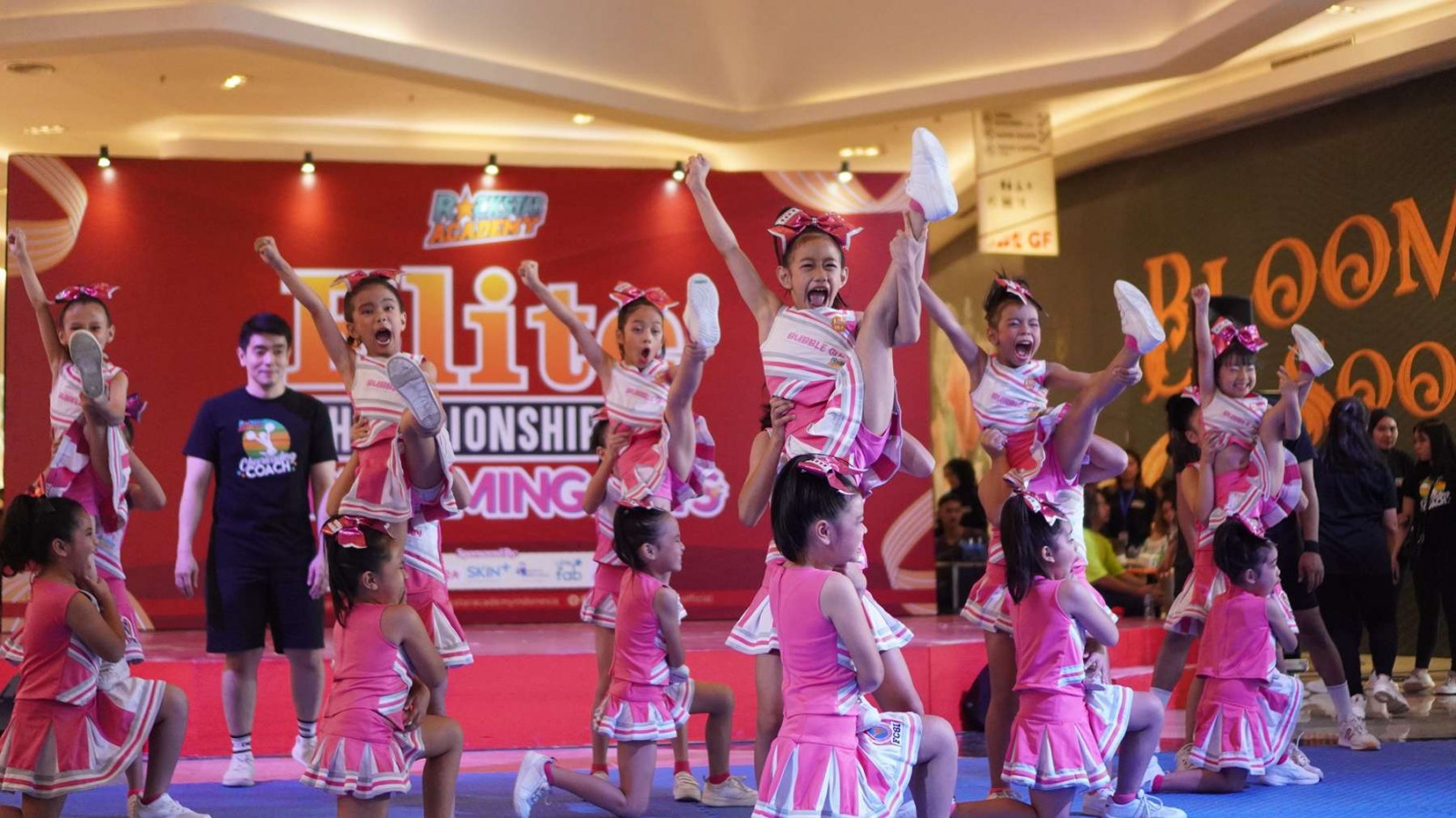
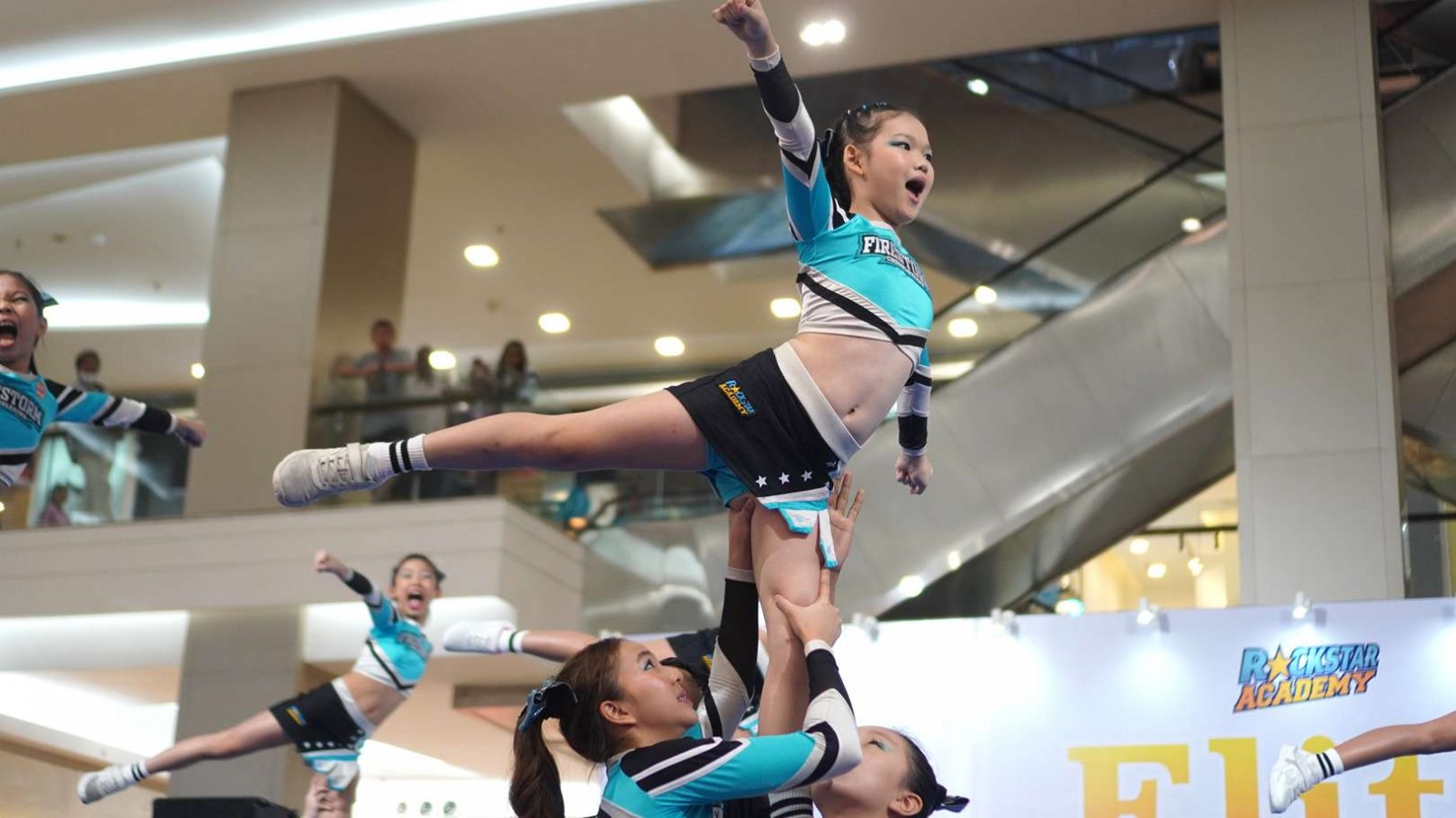
If you’re serious about improving, consider joining a dance academy like Rockstar Academy. It’s one of the best Sports & Performing Arts Academies, offering a professional dance program that helps students master freestyle and other dance techniques.
You’ll get expert guidance, structured training, and the chance to perform in events like the Dance Recital, Elite Championships, and RockOlympics — an amazing experience that builds both skill and stage confidence!
Let’s Dance with Rockstar Academy!
If you’re ready to improve your dance skills and unleash your creativity, join the Dance Program at Rockstar Academy right away. Still not sure? No worries — you can sign up for a free trial class first and experience the fun, energy, and learning for yourself. Take the first step toward your dance journey today with Rockstar Academy!
FAQ
What is freestyle dancing?
Freestyle dancing is a type of dance where you move freely and spontaneously to the music without any set choreography. It focuses on creativity, rhythm, and personal expression.
What does freestyling mean in dance?
Freestyling means creating movements on the spot based on how the music feels, rather than following pre-learned steps.