Flip Turn Swimming: The Complete Guide to Technique, Drills, and Common Mistakes
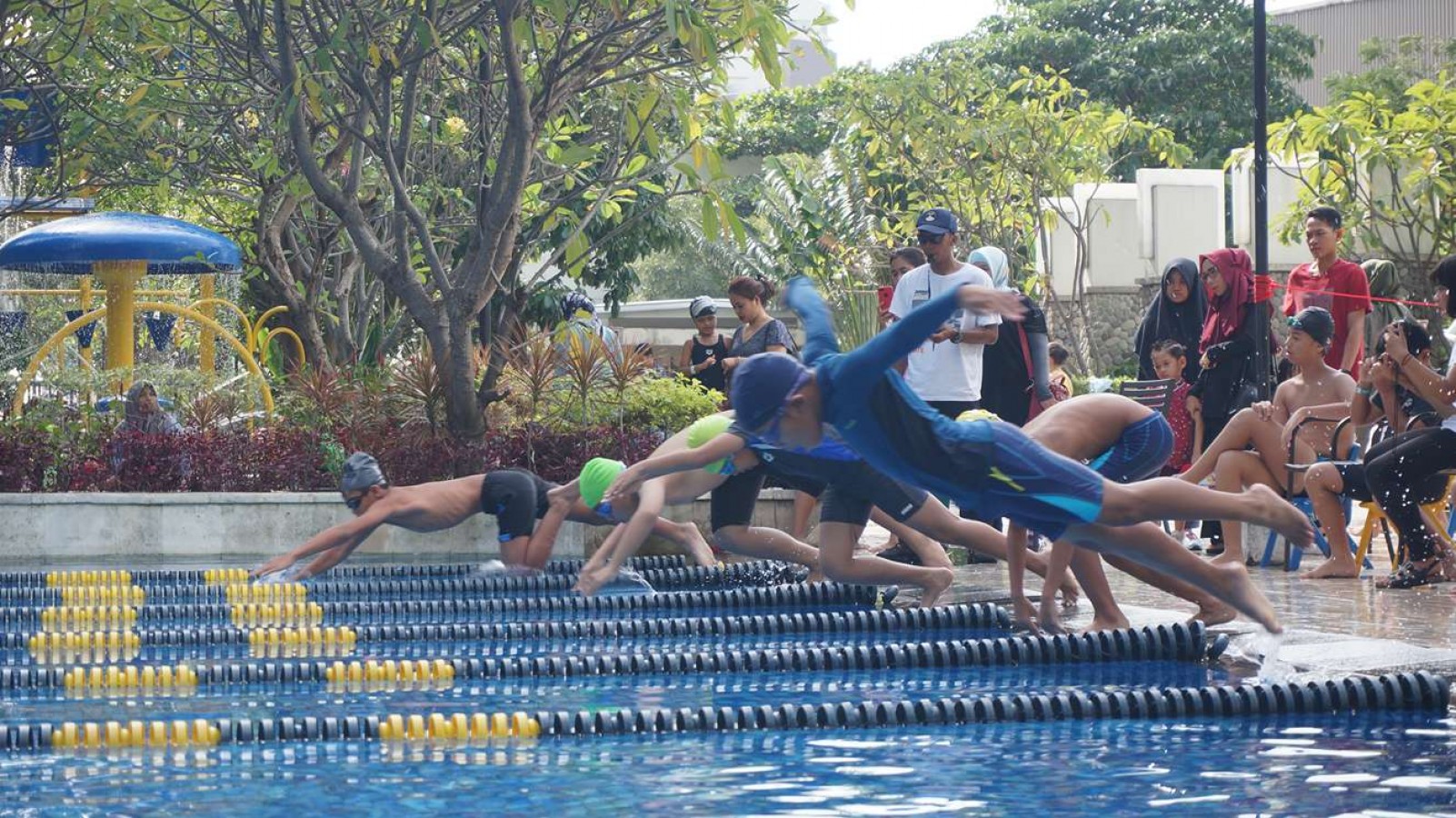
Flip turn swimming is one of the most exciting, satisfying, and downright cool skills you can master in swimming. Whether you’re a beginner trying to swim laps more smoothly or a young athlete wanting to improve your competitive times, learning the flip turn will make your swimming feel faster, smoother, and a whole lot more fun.
This guide will walk you through what a flip turn is, how to do it step by step, the most common mistakes swimmers make (and how to fix them), plus drills to help you improve with confidence. Let’s check it out!
What Is a Flip Turn?
A flip turn (also called a tumble turn) is a fast and efficient way swimmers change direction at the wall during freestyle drills and backstroke. Instead of stopping, standing up, or pushing off slowly, the swimmer performs a quick underwater somersault and pushes off the wall in a streamlined position.
How to Do a Flip Turn: Step-by-Step Guide
Mastering a flip turn is like learning a smooth little routine. The first few attempts may feel awkward, but once your body understands the movement, the whole sequence becomes automatic. Here’s a deeper, clearer breakdown of each step:
1. Approach the Wall with Speed and Control
Your flip turn actually starts long before you reach the wall. As you swim freestyle toward the wall, keep your pace steady.
Many beginners instinctively slow down because they’re afraid of crashing into the wall, but this hesitation breaks momentum and makes the flip more difficult. Instead, trust your stroke rhythm and glide naturally into the turn.
As you approach, your eyes should stay focused on the bottom of the pool. This body position keeps your hips high and your head steady, helping you maintain speed and balance.
Tips:
- Use your last 3–4 strokes to mentally prepare for the flip.
- Avoid peeking for the wall. Your body will sense its distance through repetition and practice.
2. Count Your Last Strokes (Optional but Helpful)
Competitive swimmers often rely on a stroke count to know exactly when to initiate a flip turn. This means they know how many strokes from the flags to the wall they need before flipping. While this is helpful for experienced swimmers, it’s totally optional for beginners.
If you’re new to flip turns, don’t stress about getting your stroke count perfect right away. Over time, as you practice, your body naturally learns where the wall is and when you should start your flip.
3. Tuck and Flip
When you’re about half an arm’s length from the wall, initiate your forward roll. The tighter your tuck, the faster and cleaner your flip will be.
Here’s what to do:
- Press your chin toward your chest to help your body rotate forward.
- Pull your knees up quickly toward your chest.
- Exhale through your nose during the flip to avoid water shooting into your sinuses.
- Use your core muscles, not your legs, to generate the rotation. This makes the flip smooth rather than sloppy.
If done correctly, the somersault should feel like one fluid motion, not a struggle. Many swimmers describe a good flip as feeling like a quick, underwater “roll” that leaves them facing the wall and ready for the next push-off.
4. Plant Your Feet on the Wall
As your body completes the somersault, extend your legs smoothly so your feet land firmly on the wall. The placement of your feet will determine how powerful your push-off is, so getting this right is key.
Your feet should end up about shoulder-width apart, with your knees bent naturally—not too deep, not too shallow. Your toes should point straight up toward the surface of the water.
Here’s why foot placement matters:
- Too high on the wall → you’ll push off too deep and lose momentum.
- Too low on the wall → you’ll push off too shallow and risk breaking the surface too early.
Aim to place your feet at a height that allows your legs to push explosively while keeping your body in a great position for streamline.
5. Push Off and Streamline
Once your feet are planted, the next phase is the push-off, which should be firm, explosive, and immediate. This part of the flip turn provides the most speed you’ll feel in your entire lap. Right after pushing, snap your body into a perfect streamline.
If your streamline is sloppy, you’ll create drag and slow down quickly. But if your streamline is sharp and narrow, you’ll shoot off the wall like a dolphin!
6. Glide, Then Start Dolphin Kicks
After pushing off in streamline, allow your body to glide for a moment to maximize the speed you’ve generated. Once that glide naturally slows, begin your dolphin kicks.
Try starting with three to five dolphin kicks before transitioning back into freestyle. The number depends on your comfort level and the rules of the stroke. The goal is to maintain speed underwater and resurface smoothly.
Common Mistakes When Doing a Flip Turn (and How to Fix Them)
Everyone struggles at first. The good news is every mistake has a simple fix!
Mistake 1: Lifting Your Head to Look for the Wall
When swimmers panic about hitting the wall, they pop their heads up. This slows you down and ruins your body position.
To fix it, trust your stroke rhythm. Keep your eyes down and let your hands be your guide. Practice approaching the wall without flipping to build confidence.
Mistake 2: Flipping Too Early or Too Far from the Wall
If you flip too soon, your feet won’t reach the wall. Too late? You’ll crash awkwardly. So, remember to practice judging distance with drills. A good cue is to start flipping when your fingertips are about half an arm’s length from the wall.
Mistake 3: Not Tucking Tight Enough
A loose, slow somersault makes your flip sluggish and tiring. Just remember to focus on bringing your knees and chin in tight. Use your core muscles to speed up the rotation.
Mistake 4: Poor Foot Placement
Feet too high or too low lead to weak push-offs. To fix it, aim to place your feet shoulder-width apart with knees bent at about 90 degrees. Your toes should point upward—not sideways.
Mistake 5: Holding Your Breath Too Long
Beginners often forget to exhale before flipping, which can cause discomfort or panic. Remember to blow bubbles out of your nose during the flip. It keeps you relaxed and prevents water from rushing in.
Drills to Improve Your Flip Turn
Practicing flip turns need drills to master because they isolate specific parts of the turn and help swimmers understand how their body should move in the water. Here what you can do:
1. Kickboard Drill
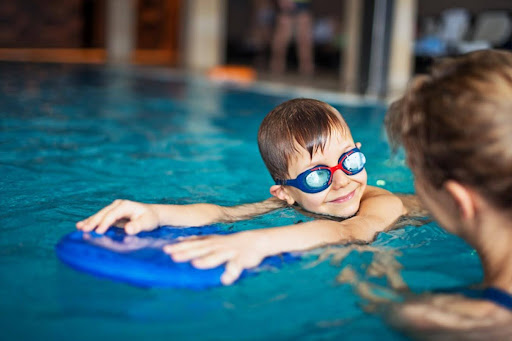
The kickboard drill is a fantastic way to help swimmers learn proper body position and rotation without feeling overwhelmed. Using the kickboard gives you a visual and physical cue that keeps your flip clean, tight, and well-timed.
In this drill, you hold a kickboard out in front of you as you approach the wall. Right before you’re ready to flip, you place the kickboard on the surface of the water or lightly against the wall, and then complete your somersault underneath it.
2. Mid-Pool Flip Drill
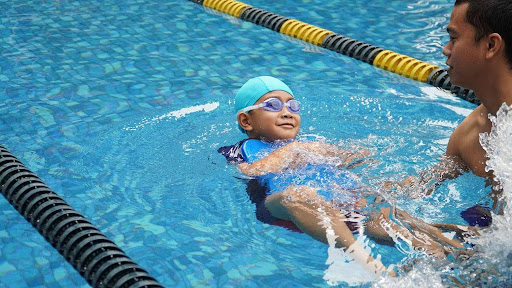
The mid-pool flip drill is like practicing gymnastics in the water without the pressure of reaching the wall. Instead of worrying about timing, distance, or crashing into the wall too hard, you focus purely on the flip itself.
To get the most out of it, try doing a sequence such as:
- Swim 5 meters → Flip → Swim 5 meters → Flip
- Repeat several times!
After each mid-pool flip, finish with a quick streamline position. This builds the habit of pushing into streamline immediately after flipping.
Ready to Try Flip Turn in Swimming?
As you can see, mastering a smooth and powerful flip turn is one of the best ways to level up your swimming performance. And if you want your children to sharpen their technique, gain confidence in the water, and truly grow as swimmers, enrolling them in the Swimming Program at Rockstar Academy is an incredible next step.
Rockstar Academy is the leading Sports & Performing Arts Academy that offers a wide range of physical activity programs designed to help children discover their strengths and unlock their full potential.
With a curriculum that includes participation in RockOlympics, your child will experience exciting challenges, real competition, and meaningful learning moments that build character and skill.
For families seeking even more personalized progress, Rockstar Academy also provides Private Instruction, where training is tailored specifically to each child’s goals. Students receive one-on-one coaching, detailed instructor feedback, progress videos, and even weekly at-home training exercises.
And the best part? You can try it all with a free trial class. Give your child the chance to shine, grow, and excel only at Rockstar Academy!
FAQ
Are flip turns only for competitive swimmers?
Not at all! Even casual swimmers benefit from learning flip turns. They make lap swimming smoother and more enjoyable.
Do I need to know how many strokes before the wall I should flip?
Counting strokes helps advanced swimmers, but beginners don’t need to worry. With practice, you’ll naturally sense the wall distance.