Mastering the Boxing Feint to Dominate the Ring

Mastering the boxing feint is one of the smartest ways to level up your game in the ring. A feint may look simple, but in boxing, it’s a powerful tool that can completely shift the flow of a fight.
In this article, we’ll break down what a feint really means in boxing, why it’s such an important skill for every boxer, the advantages it brings, some common feint combinations you can try, and how to train your feints so they become sharp, natural, and convincing. Let’s check it out!
What Does Feint Mean in Boxing?
In boxing, a feint is basically a fake attack that looks real but isn’t meant to land. Think of it as a little trick to fool your opponent. You might twitch your shoulder, fake a jab, step in quickly, or drop your level as if you’re going for the body.
The whole point is to make your opponent believe you’re about to hit them so they react too early. It’s like playing a mini mind game inside the ring. When your opponent falls for the feint, they might flinch, block, move back, or even throw a counter too soon.
And that’s where you take advantage — because while they react to the fake, you’re already preparing the real attack.
Advantages of Using Feints in Boxing
Before you start throwing big punches, remember this: sometimes the smartest move in boxing is the one you don’t actually throw. Feints may look simple, but their impact in the ring is huge. Here are some of the biggest advantages of using feints in boxing:
1. Creates Openings for Counterpunches
A good feint makes your opponent react too early — maybe they raise their guard, lean back, or step to the side. That tiny reaction opens the perfect window for you to land clean counterpunches.
2. Helps You Understand How Your Opponent Reacts
Every boxer has habits. Some flinch to jabs, some always duck, some swing back immediately. Feints help you test these reactions so you can read your opponent like a book.
3. Lets You Control the Pace and Rhythm of the Fight
With feints, you’re not just punching but you’re actually directing the entire flow of the match. You can slow things down, make your opponent hesitate, or speed things up when you’re ready to attack.
4. Frustrates and Confuses Opponents
When your feints keep making them guess wrong, opponents start getting annoyed or unsure. A confused boxer is an easier boxer to beat.
5. Improves Both Your Offense and Defense
Feints make your real punches more effective and your defense sharper. You’re attacking smarter, avoiding unnecessary hits, and staying one step ahead.
Why Boxers Need to Use Feints
Feints might look subtle, but they can completely change the outcome of a fight. They’re the kind of small moves that create big advantages for any boxer who knows how to use them. Here’s why every boxer should know how to use them:
A. To Create Openings
A good feint forces your opponent to react defensively. Maybe they lift their guard too early, step the wrong way, or expose their chin for a split second. That tiny gap is all you need to slip in a clean counterattack.
B. To Gauge the Opponent
Feints help you read your opponent. Do they always block high? Do they pull back? Do they swing wildly when they feel threatened? By spotting these patterns, you can adjust your strategy and attack where they’re weakest.
C. To Control the Pace
With feints, you decide how fast or slow the fight goes. You can make your opponent hesitate, freeze, or second-guess every move. Once they’re off-balance mentally, you control the entire tempo of the match.
D. To Frustrate Opponents
Nothing annoys a boxer more than reacting to punches that never come. When you repeatedly make them guess wrong, their rhythm breaks, frustration rises, and their confidence drops.
Common Feint Combinations in Boxing
Feints become even more powerful when you blend them with the right follow-up punches. These combinations help you confuse your opponent, create openings, and land your shots with much better accuracy. Here are some of the most effective ones you can try:
1. Jab to the Head Followed by a Jab to the Body

This combo may look simple, but using two jabs from the same hand takes practice. The jab to the head lifts your opponent’s guard, and the second jab slips right into the body where they’re exposed. If that body jab connects, there’s a good chance your next hook will land too.
2. Jab Feint Followed by a Hard Cross
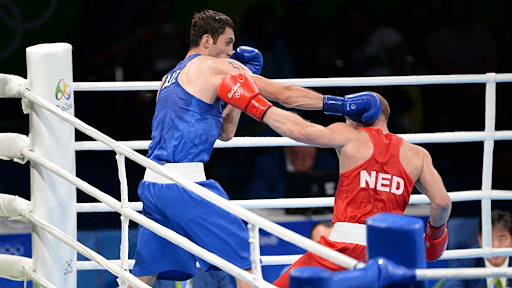
A fake jab often makes opponents reach out to parry. When they extend their hands, the side of their face becomes unprotected. This is the perfect opening for a strong cross.
3. Jab at the Side of the Head Followed by a Cross

If the jab feint isn’t doing the trick, try throwing your jab slightly off to the side of their head. This forces them to move their guard in that direction, leaving the opposite side open for a clean cross.
4. Cross Feint Followed by a Jab

If your jab has been landing well, this setup works beautifully. Feint a cross to make your opponent brace for it, then snap a quick jab into the space they leave behind. It’s simple, sharp, and very effective.
5. Air Punch to the Side of the Head Followed by a Hook to the Body
This crafty feint draws your opponent’s guard upward. Throw a punch into the air near their head to make them block high, then immediately dig a hook into the body. A common version is an air jab followed by a strong rear hook to the ribs.
How to Train Feints in Boxing
Feints only work well if they look real and that takes practice. The more natural and believable your movements become, the easier it is to trick your opponent in the ring. Here are some easy and effective ways to train your feinting skills:
A. Work with a Coach
Nothing beats learning from someone experienced. A good coach can spot mistakes you don’t notice, correct your technique, and help you make your feints sharper and more convincing.
B. Shadowboxing
Shadowboxing is the perfect place to practice feints without pressure. Try mixing in jab feints, level changes, shoulder twitches, or quick steps. Focus on making your movements smooth and natural.
C. Sparring
To really test your feints, use them during sparring. This helps you figure out what works, what doesn’t, and how different opponents react. It also sharpens your timing and confidence.
D. Film Study
Watch fights from great boxers known for their feinting skills. Pay attention to how they use small movements to create big openings. Studying their timing and setups can give you new ideas to try in your own training.
E. Drills
Do drills specifically designed for feint training. Work on head movement, weight shifts, quick steps, and upper-body motions. The goal is to make every feint look believable so your opponent can’t tell which moves are real.
Sharpen Your Boxing Feints!
Once you understand how a feint works, the advantages it brings, and how to blend it into combinations, you’ll notice how much easier it becomes to find clean shots and stay one step ahead. Keep practicing with purpose, stay relaxed, and focus on making every movement look real.
Looking to level up your martial arts skills in a fun and supportive environment? The Martial Arts Program at Rockstar Academy is perfect for anyone who wants to master kicks, agility, and precision while building confidence and discipline.
Even if you’re also curious about striking techniques, our program pairs well with learning Muay Thai combos, giving you a well-rounded fighting edge. At our Sports & Performing Arts Academy, every class is designed to challenge you, keep you motivated, and prepare you for competitions like RockOlympics.
The best part? You can experience it firsthand with a free trial class, so you can see just how exciting our martial arts program can be before committing!
FAQ
What is the difference between a feint and a fake?
A feint is a tactical move to trick your opponent; a fake is any deceptive action, not always strategic.
Are you allowed to feint in boxing?
Yes! Feints are legal and widely used to create openings and control the fight.