A Guide for Pickleball Doubles Communication Improvement
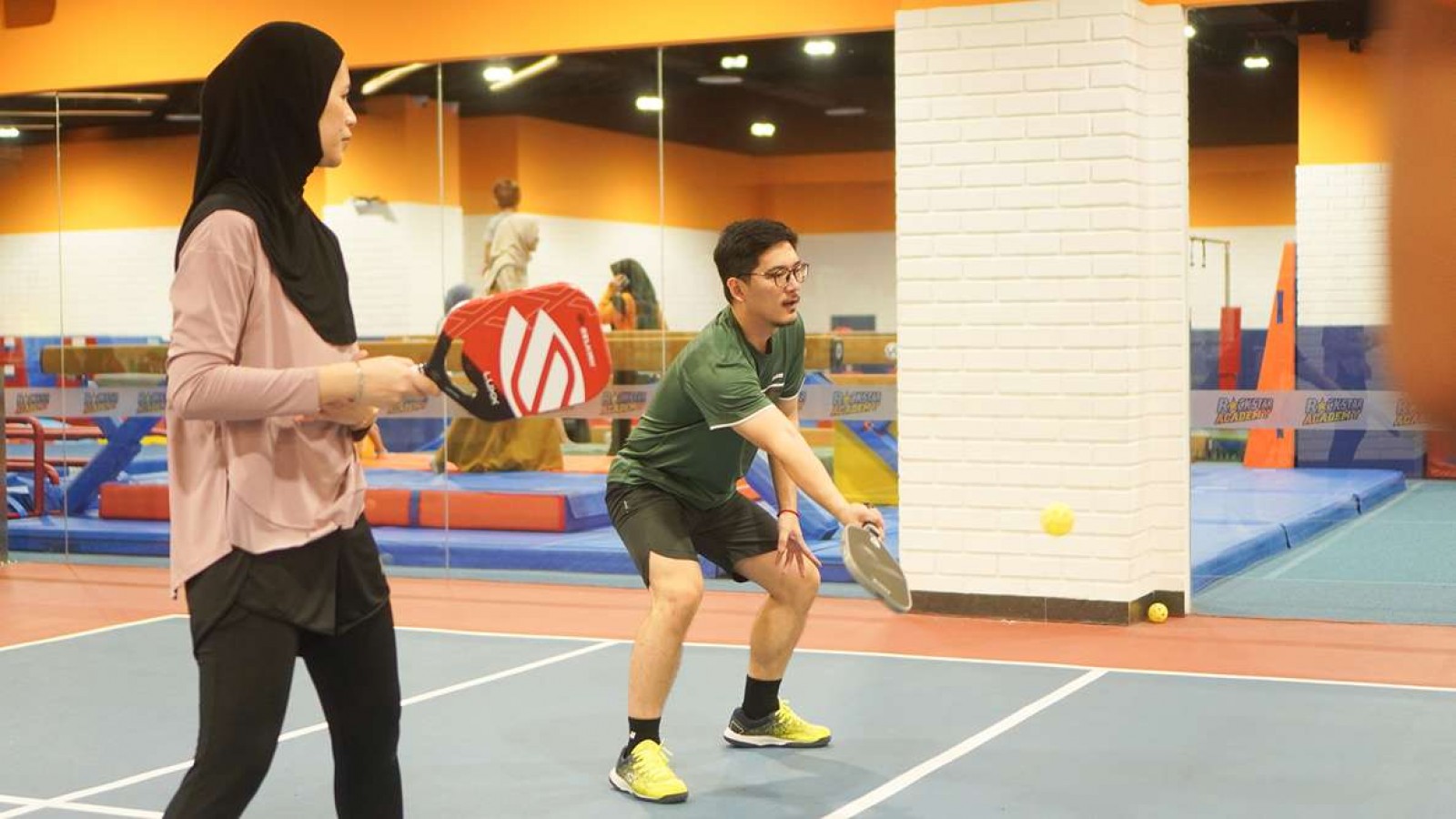
Playing pickleball doubles effectively isn’t just about powerful shots and fast feet, it’s about communication. On a court where split-second decisions matter, the way you talk and signal to your partner can be the deciding factor between winning a point and leaving it on the court.
From quick verbal cues during intense rallies to strategic discussions before and after matches, strong communication gives you a synergy that elevates your team play and enhances your pickleball double strategy. Improve pickleball double communication through our guide!
Why Communication Matters in Pickleball Doubles
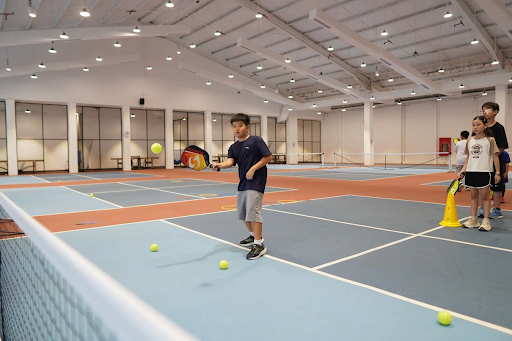
Doubles pickleball relies on strong teamwork and quick decisions, and clear communication is essential to avoid confusion, collisions, and defensive gaps.
By communicating well, partners can coordinate movement, handle middle balls confidently, read opponents better, and execute strategies effectively.
Even small communication mistakes can cost points, making consistent communication before, during, and after the match key to success.
Communication Before the Match
Communication must be established from the outset, even before playing. Here are some ways to communicate before a match:
1. Pre-Match Planning
Before the first serve, take just a few minutes to get on the same page. This isn’t about predicting every shot, it’s about establishing roles so you don’t have awkward mix-ups later. Questions to cover include:
- Who takes balls down the middle?
- Who prefers covering certain shots (like lobs or drives)?
- How will you handle the net, do you both move up together after a good drop?
- What basic call-outs will you use?
Agreeing on these details means when the action heats up, you already have a shared understanding, and you won’t waste precious milliseconds debating who will make the play.
2. Agree on Signals and Terminology
Speak ahead of time about what words or signals you’ll use. Keep them consistent and simple so that both of you immediately know what each cue means when it comes up during a rally. Typical agreed cues include:
- “Mine!” : I will take that shot
- “Yours!” : You take it
- “Switch!” : Change court sides
- “Stay!” : Hold your position
- “Go!” : Let’s move up together towards the kitchen line
- “Out!” or “Leave it!” : The ball is likely going out of bounds
Decide whether you also want non-verbal signals (like hand signals before serve or eye contact cues) — especially useful when play gets loud or intense.
Communication During the Match
Communication is not only important before playing, but also crucial during play.
1. Use Clear, Loud, and Simple Verbal Calls
Once the match begins, every point moves fast. This is no time for long sentences or complicated discussion, keep your calls concise and assertive so your partner can react instantly. Saying “Mine!” or “Yours!” early eliminates hesitation on balls hit down the middle.
Other helpful in-rally calls include:
- “Out!” : To alert your partner that a ball is likely heading out of bounds
- “Go!” or “Stay!” : To indicate whether to advance to the kitchen or hold position
- “Back!” before a deep shot to signal retreat toward baseline
Importantly, communication isn’t restricted. You can talk to your partner during a rally as long as it’s not intentionally distracting to opponents, rapid calls about positioning, coverage, or shot placement are both allowed and beneficial.
2. Use Non-Verbal Signals
Verbal cues are powerful, but there are times when they may not be heard, like in loud gymnasiums or windy outdoor courts. In these moments, subtle non-verbal signals step in:
- Hand signals (behind the back before serves) to plan movement
- Eye contact to confirm coverage or switching sides
- Body positioning to indicate intent (for example, facing slightly toward middle if you’re ready to poach)
Creating a system of non-verbal cues helps you stay in sync even if you can’t speak. Practice these with your partner during warm-ups so they feel natural.
3. Partner Positioning Based on the Rally
Communication isn’t just about words, it’s also about working as a cohesive unit on court. Positioning and movement should be coordinated so that both players cover the court efficiently and avoid leaving gaps opponents can exploit:
- When at the kitchen line, move together when advancing, don’t rush ahead alone
- If one player moves wide, the partner should shift toward the middle to maintain court balance
- Use calls like “Switch!” to rotate sides when needed, especially after lobs or when your partner has to chase a wide angle
Communication After the Match
Strong communication doesn’t stop when the final point is played, post-match discussion helps you and your partner improve together.
1. Start with Positives
Reflect on what worked well in the match first. Did your calls on the middle balls help you avoid confusion? Did coordinated movement get you extra points? Highlighting successes reinforces those habits.
2. Discuss Improvements as a Team
When you talk about areas to improve, focus on “we” instead of “you.” For example, say “We could communicate earlier on serves,” rather than “You didn’t call enough.” This promotes teamwork and mutual respect.
3. Set a Plan for Next Time
Pick one or two specific things to practice together before your next match — it could be refining a call system or practicing evenly advancing to the kitchen line. Having these goals strengthens your partnership and sets the stage for future success.
Improve Your Pickleball Doubles Communication!
Improving communication with your pickleball doubles partner is one of the most impactful ways to elevate your game. If you're serious about it, consider signing up for a pickleball class at the Rockstar Sports & Performing Arts Academy.
Students in our program don’t just train—they get the chance to put their skills to the test by competing in Elite Championships, where they experience real-game pressure, teamwork, and the excitement of high-level competition.
For students who want a more advanced and focused learning experience, Private Instruction is the perfect option. This program is the fastest and most efficient way to achieve individual success in any chosen program, offering highly personalized, skills-based training tailored to each student’s specific needs and goals.
Ready to see the difference for yourself? Sign up for a FREE trial class today and start your journey with Rockstar Academy!
FAQ
Why is communication so important in pickleball doubles?
It prevents confusion, helps partners cover court efficiently, and supports strategic decisions like who takes the middle shot.
Can I talk to my partner during a rally?
Yes, talking during a rally is allowed and helpful if it relates to strategy or coordination — but avoid distracting or yelling in ways that interrupt opponent play.
What are the most common calls used in doubles?
Short, clear calls like “Mine,” “Yours,” “Switch,” “Go,” “Stay,” and “Out” are effective for quick decision-making.
How should partners handle disagreements mid-match?
Try to resolve quickly and positively, or save detailed discussion for a break.