Physical Theatre Techniques and How to Use Physicality in Acting
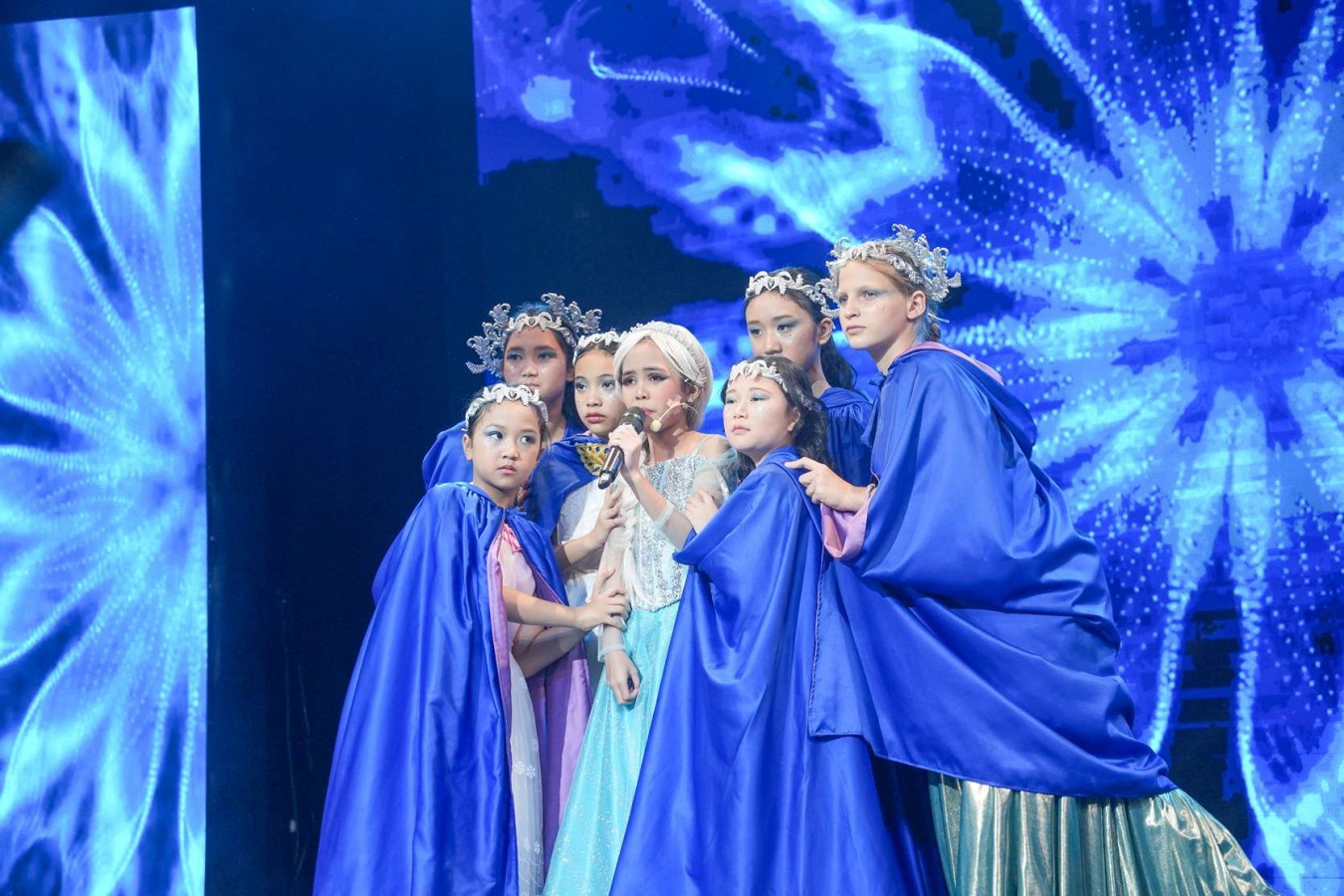
When people think about acting, they often focus on dialogue, emotions, and facial expressions. But some of the most powerful performances communicate only through movement. This is where physical theatre techniques usually become the main aspect.
Physical theatre places the actor’s body at the center of storytelling, using movement, posture, gesture, and space to express meaning. When combined with other acting techniques, physicality helps actors create performances that feel alive, expressive, and deeply engaging. Let’s discuss more about physical theatre techniques through this article!
What Is Physical Theatre in Drama?
Physical theatre is a performance style that uses the body as the main storytelling tool, with movement, rhythm, and physical expression often taking priority over dialogue.
It focuses on how a character moves, uses space, and reveals emotion through their body, drawing inspiration from styles like mime, dance, and mask work, and is widely used in contemporary theatre and actor training.
Why Is Physical Theatre Technique Important in Acting?
Physical theatre is a powerful skill set that benefits all actors, regardless of style or medium. Here are other reasons why physical theatre technique is important in acting:
1. The Body Tells the Truth
Words can lie, but the body often doesn’t. Even when a character says they’re “okay,” their posture, tension, or movement can reveal fear, excitement, or anger underneath. Physical theatre helps actors become aware of these subtle signals.
A character might speak calmly, but clenched fists, shallow breathing, or avoiding eye contact can show inner conflict. This adds depth and makes the performance more honest and interesting.
2. It Creates Stronger Stage Presence
Actors who understand physicality tend to command the stage more effectively. Their movements feel intentional, grounded, and confident. This will eventually make performances more engaging to watch.
3. It Improves Character Development
Every character moves differently, and physical choices help define who that character is. Physical theatre encourages actors to explore posture, rhythm, gestures, and energy to shape their roles.
For example, a shy character might move cautiously with small steps, while a bold character takes up more space with open gestures and strong movements. The audience understands the character instantly—without explanation.
4. It Enhances Non-Verbal Storytelling
Some of the most powerful moments in acting happen without dialogue. Physical theatre techniques keep these silent moments meaningful and alive.
5. It Supports Versatility
Physical theatre training strengthens an actor’s range, making it easier to adapt to different roles, genres, and performance styles.
Physical Theatre Techniques List
Here are some of the most important physical theatre techniques you should know:
1. Body Awareness and Alignment
This technique teaches actors to understand how their body is positioned and how it moves. Actors learn to notice poor posture, stiffness, or unnecessary tension and then release it.
When the body is relaxed and aligned, movement becomes smoother and more natural.
2. Gesture and Movement Vocabulary
Physical theatre encourages actors to go beyond everyday gestures. Movements can be subtle, symbolic, or even exaggerated to express emotions or ideas.
A richer movement vocabulary helps actors communicate clearly without relying on dialogue.
3. Levels and Use of Space
Actors explore moving on different levels, standing, sitting, kneeling, or lying down and how they travel through space.
4. Tempo and Rhythm
Tempo and rhythm control the mood and energy of a scene. This technique focuses on how fast or slow movements are, when to pause, and how actions flow together.
5. Mime and Object Work
Mime teaches actors to create imaginary objects and environments using precise physical actions. Good mime can make imaginary objects feel real to the audience.
6. Physical Characterization
Actors develop characters through physical traits such as walk, posture, breathing, and physical habits.
For example, a confident character may walk with long strides and an open chest, while a shy one takes small steps and looks down.
7. Mask and Neutral Mask Work
Using masks removes facial expression, forcing actors to communicate solely through the body. This way, actors become more aware of how clearly their body communicates.
8. Laban Movement Analysis
This system explores movement qualities using elements like weight (light/heavy), time (fast/slow), space (direct/indirect), and flow (free/bound). It gives actors a structured way to create varied and intentional movement.
9. Ensemble Movement
Actors move as a group, responding to each other’s energy and timing. It matters because it builds teamwork, awareness, and strong group storytelling.
10. Stillness
Physical theatre isn’t always about big movements. Stillness can actually draw attention and allow emotions to land clearly with the audience.
How to Use Physicality in Acting
Learning techniques is only the first step. The real skill lies in applying physicality effectively in performance. Here’s how to use it:
1. Start with the Character’s Body
Ask yourself how the character stands, how they walk, and where they hold tension in their body, and use these answers to build the character’s physical life before adding dialogue.
2. Connect Movement to Intention
Every movement should have a reason. Instead of moving for decoration, link physical actions to what the character wants in the scene.
For example:
- Leaning forward may show urgency.
- Stepping back may signal fear or hesitation.
3. Use Physicality to Support Emotion
Emotion should live in the body, not just the face. Let feelings affect breathing, posture, and movement quality.
4. Balance Physicality with Text
Physical theatre does not mean ignoring dialogue. Instead, movement should enhance and deepen the meaning of the text.
5. Be Aware of the Audience
Physical choices should be clear and readable. Even subtle movements must be intentional enough to communicate meaning.
6. Practice Observation
Watch how people move in real life. Notice differences in energy, posture, and rhythm. These observations become valuable tools for character creation.
How’s Your Physical Theatre Techniques?
Physical theatre emphasizes storytelling through movement and physical presence, helping actors connect more deeply with their characters and enhance performance. When combined with other acting techniques, physicality becomes a powerful tool that communicates meaning beyond words.
Want to learn physical theatre techniques and express stories through movement, presence, and powerful body control? The Broadway Program at Rockstar Academy is the perfect place to start. Students learn how to use posture, gesture, space, and movement to bring characters to life
As a leading Sports & Performing Arts Academy, Rockstar Academy offers a unique environment where kids and teens can grow in confidence, creativity, and performance skills.
Beyond training, students also get exciting opportunities to perform and compete in events such as the Broadway Recital, RockOlympics, and Elite Championships, gaining real stage experience along the way.
Not sure yet? Join our FREE Trial Class and come have fun, explore, and feel the Broadway experience for yourself—we’d love to see you there!
FAQ
What is physical theatre in simple terms?
Physical theatre is a style of performance that uses movement and the body as the main storytelling tools, sometimes with little or no dialogue.
Do I need to be a dancer to do physical theatre?
No. Physical theatre focuses on expressive movement, not dance technique. Anyone can learn it with practice.
Is physical theatre only for stage acting?
No. Physicality is important in film and television too, though movements may be more subtle.
How does physical theatre help beginners?
It builds body awareness, confidence, creativity, and helps beginners understand acting beyond memorizing lines.