The Essential Role of Communication in Cheerleading
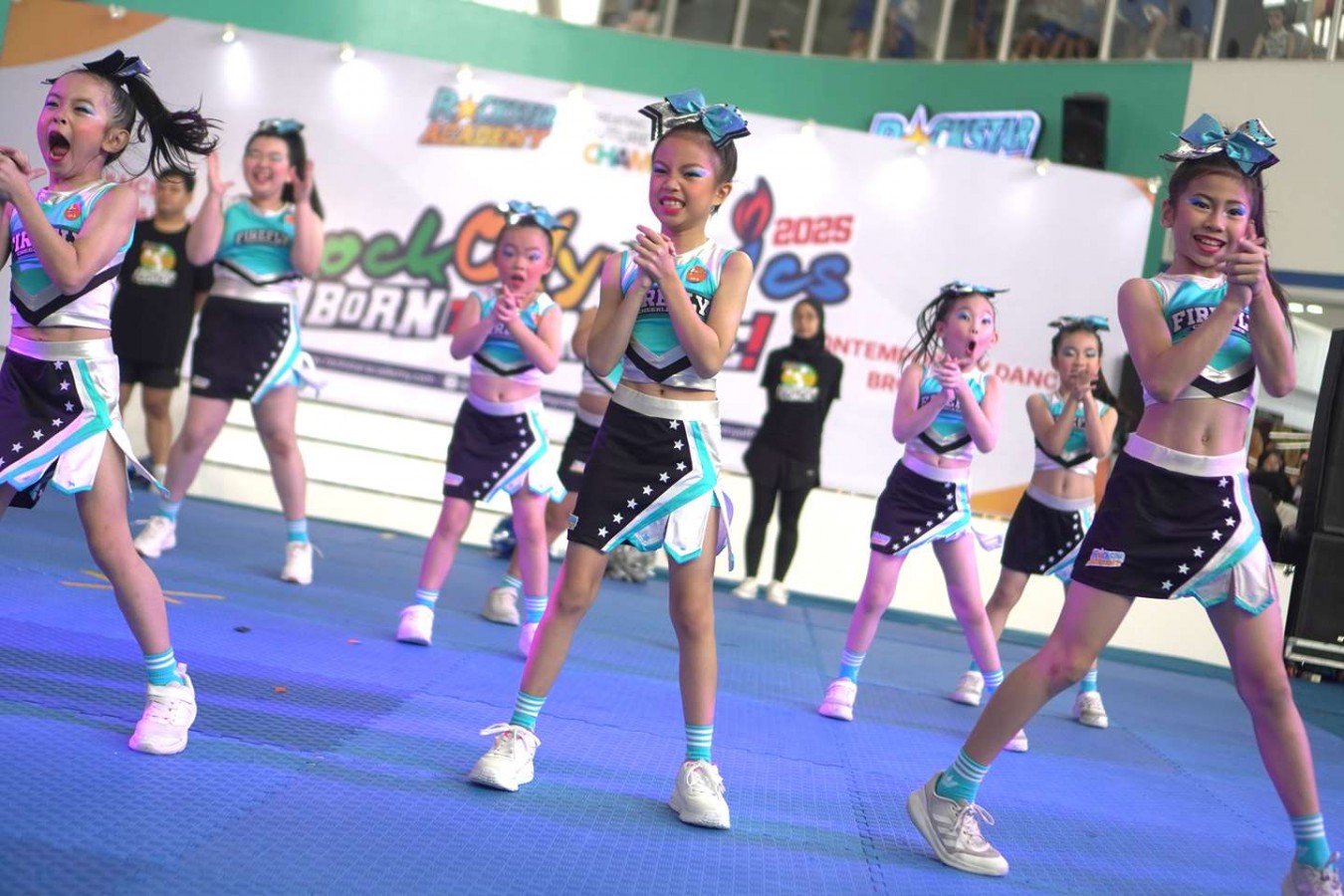
Cheerleading is a mix of athleticism, precision, and teamwork, and at the heart of it all lies communication in cheerleading. Clear signals, shared understanding, and instant feedback keep every stunt safe and every routine seamless.
When teammates connect through effective communication, timing clicks, trust strengthens, and the energy on the mat becomes contagious. In this article, we’ll explore why communication is essential for cheerleaders and how it can improve team togetherness. Let’s check it out!
Why Communication Matters in Cheerleading
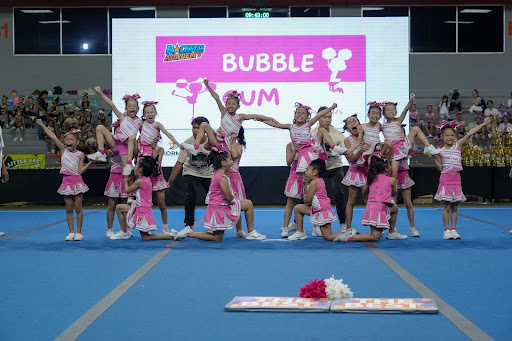
Without clear communication, even the most skilled athletes can struggle to synchronize their movements, complete stunts safely, or create an exciting performance.
Communication in cheerleading is about more than words; it’s about trust, timing, and teamwork. Let’s break down why communication matters in cheerleading and how it impacts every part of the sport:
1. Ensures Safety During Stunts
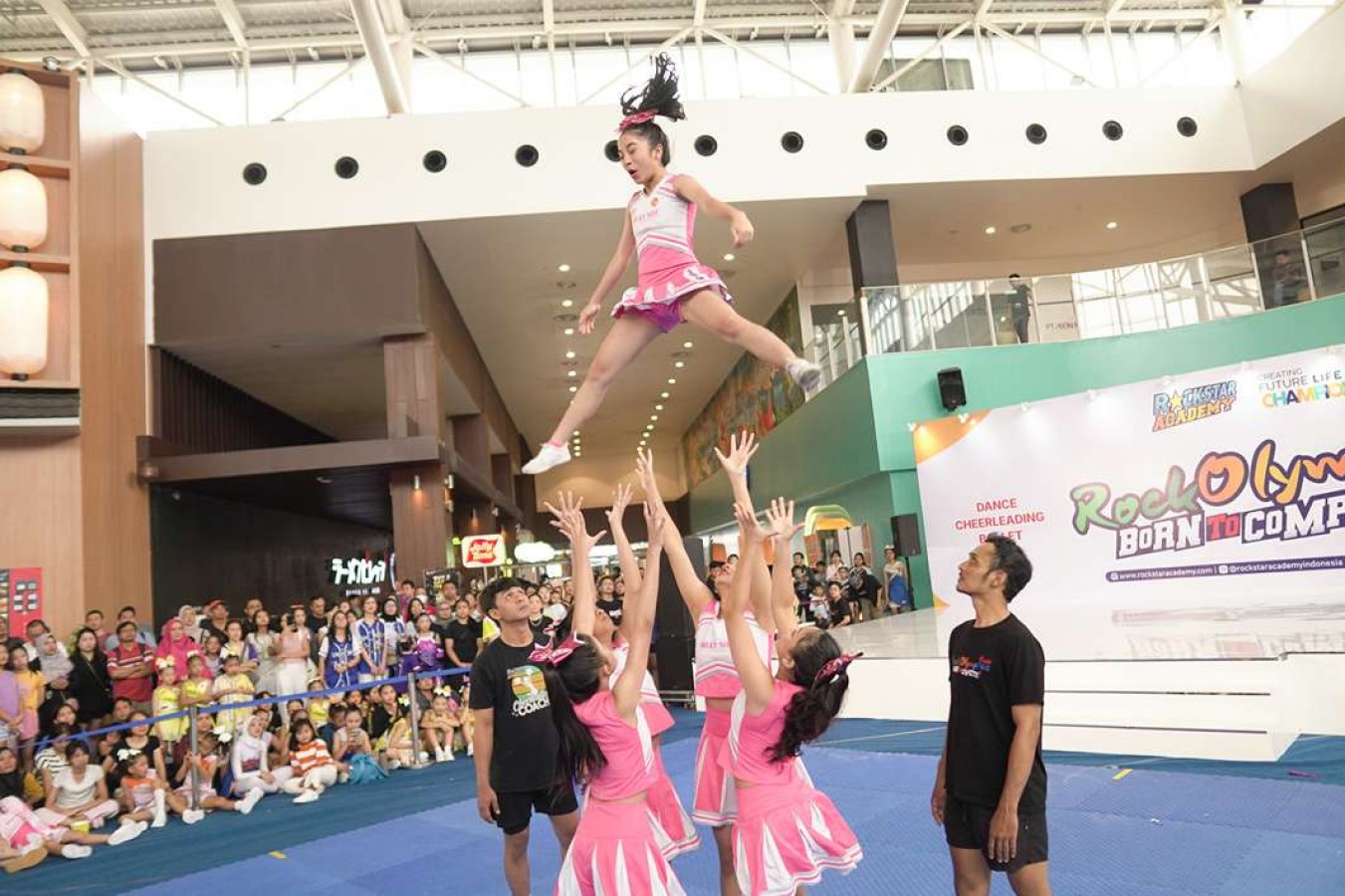
Safety is the number one priority in cheerleading, and communication is essential to keeping athletes protected. Bases, flyers, and spotters need to call out adjustments, warnings, or changes during stunts to prevent accidents.
For example, a base might call “ready” or “steady” before lifting a flyer, while the flyer signals when they are prepared to execute the stunt. These verbal and non-verbal cues make sure everyone is in sync.
Clear communication helps prevent injuries, as every team member knows exactly what to expect and when to react. Without it, even minor misalignments could lead to falls or strains.
2. Builds Trust Between Teammates
Cheerleading is built on trust, and communication is a key part of that. Flyers rely on their bases to catch them, while bases must trust flyers to maintain proper form.
When athletes communicate openly and honestly, they develop confidence in one another’s abilities.
This trust allows teams to attempt more advanced stunts, knowing that everyone will respond appropriately. Positive, clear communication reinforces reliability, encouraging athletes to take risks safely and push their skills further.
3. Improves Coordination and Timing
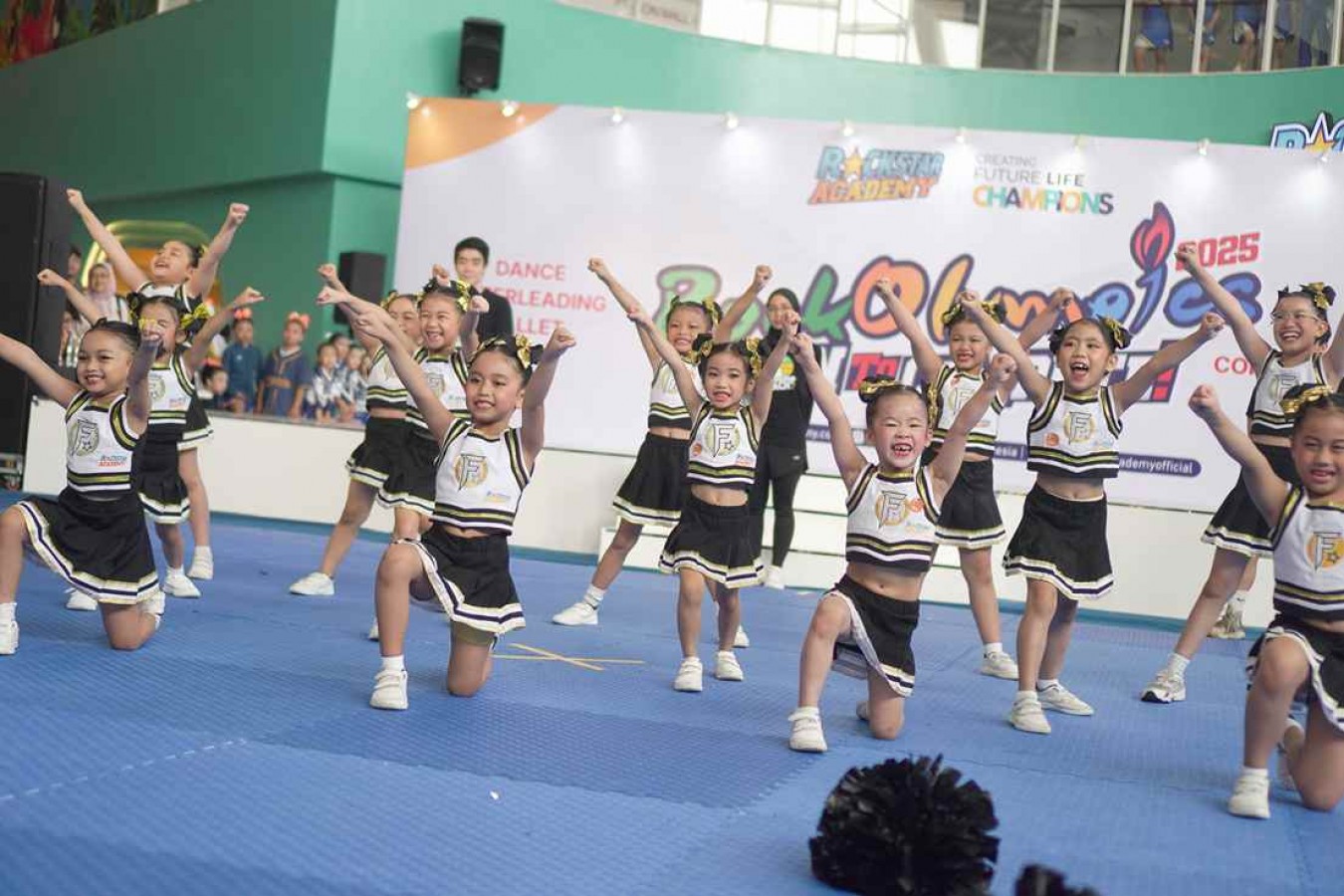
Routine precision depends heavily on synchronized movements, which are impossible without communication. Cheerleaders need to call counts, cues, and transitions during tumbling sequences and group choreography.
For instance, when executing a pyramid or a tumbling pass, a slight delay or miscount can throw off the entire routine. Teams that communicate well maintain rhythm and alignment, ensuring that all moves flow together smoothly.
Effective communication on the mat translates into performances that look effortless and professional.
4. Encourages Constructive Feedback
Communication isn’t only about calling stunts or signals; it’s also about giving and receiving feedback. Team members can point out adjustments in posture, technique, or timing respectfully and constructively.
Coaches often guide athletes to use positive language while providing corrections, which builds a culture of encouragement. Athletes learn to express themselves and accept guidance without taking it personally.
This feedback loop helps the team improve continuously and strengthens interpersonal skills.
5. Creates a Supportive and Motivating Environment
Cheerleading can be physically and mentally challenging, so a strong support system is vital. Communication allows athletes to cheer on and motivate each other, creating an encouraging environment during practice and competitions.
Simple cues like “great job” or “keep going” build morale and foster team cohesion. Even subtle signals, like a nod or hand gesture, can provide reassurance and boost confidence.
A team that communicates positively works together better, making practices more enjoyable and performances more dynamic.
6. Develops Life Skills Beyond the Gym
The skills learned through communication in cheerleading extend far beyond the sport. Athletes learn to express ideas clearly, listen actively, and navigate teamwork challenges.
Understanding how to communicate effectively with teammates also teaches empathy, patience, and adaptability, helping young athletes grow both personally and socially.
How Communication Builds Team Togetherness
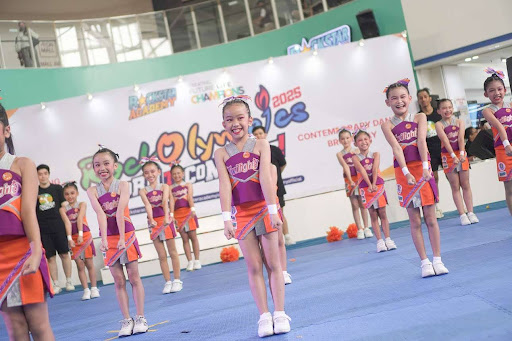
A team that communicates effectively feels like a well-oiled machine, where everyone knows their role and supports one another. Good communication fosters trust, camaraderie, and a shared sense of purpose, which ultimately strengthens team togetherness. Here’s how it works:
A. Fosters Trust and Dependability
When teammates communicate clearly, each member knows what to expect from the others. Bases trust that flyers will signal readiness, flyers trust that bases will catch them safely, and spotters trust that everyone is alert and engaged.
This mutual understanding builds confidence in each other’s abilities. When trust is high, athletes can attempt more challenging stunts, knowing their teammates have their backs, creating a stronger sense of unity.
B. Encourages Collaboration and Problem-Solving
Cheer routines often involve complex stunts, pyramids, and tumbling sequences. Communication allows the team to discuss strategies, adjust formations, and troubleshoot mistakes together.
By collaborating openly, athletes learn to listen to different ideas, compromise when needed, and come up with solutions as a group. These shared problem-solving experiences strengthen bonds and make the team more cohesive.
C. Promotes Positive Reinforcement
Simple gestures like a nod, thumbs-up, or verbal encouragement like “you got this” go a long way in building morale. When athletes communicate supportively, teammates feel valued and motivated.
This positive environment fosters mutual respect and appreciation, which naturally brings the team closer together. Cheerleaders who uplift each other are more likely to perform with confidence and enthusiasm.
D. Enhances Coordination and Synchrony
Effective communication ensures that every athlete knows when to move, jump, or tumble, keeping everyone in sync. This coordination creates a sense of rhythm and harmony that strengthens the feeling of togetherness.
When routines flow smoothly, athletes feel the energy of performing as one unit, which reinforces teamwork and camaraderie.
E. Strengthens Emotional Connection
Cheerleading is emotional too. Sharing feedback, celebrating successes, and supporting each other through challenges develops empathy and understanding among teammates.
Open communication helps athletes connect on a personal level, creating friendships and trust that extend beyond practice and competitions.
F. Builds a Culture of Accountability
When athletes communicate openly, they hold themselves and their teammates accountable for safety, performance, and effort.
This shared responsibility strengthens the team’s bond, as everyone understands their role and contribution matters.
Teams that communicate effectively maintain high standards while supporting each other, which fosters loyalty and unity.
Make Every Stunt and Routine Shine!
Strong communication in cheerleading builds trust, teamwork, and confidence. Teams that master this skill move as one, tackle challenging stunts with ease, and enjoy a stronger bond that extends beyond practice.
Dreaming of performing like a professional cheerleader? At Rockstar Academy, our cheerleading program is designed to build skills, confidence, and teamwork while preparing athletes for high-level competitions, including the Cheerleading Recital, Elite Championships and RockOlympics.
As the best Sports & Performing Arts Academy, our experienced coaches guide students through stunts, tumbling, jumps, and choreography, all in a supportive and fun environment.
Whether you’re just starting out or aiming for the next level, Rockstar Academy is the perfect place to grow. Try it for yourself with our free trial class today!
FAQ
Why is communication important in cheerleading?
Communication ensures safety, coordination, and trust during stunts, routines, and practice.
How can communication improve team togetherness in cheerleading?
Clear and supportive communication builds trust, strengthens bonds, and helps the team work as a cohesive unit.