Teaching Cause and Effect for Kids: Helping Kids Understand How the World Works

Have you ever seen a baby drop a spoon from their high chair… and then do it again? And again? That’s not just mischief, that’s the science of cause and effect! From the moment kids are born, they are little explorers trying to figure out one big question: “What happens if I do this?”
That simple curiosity is the beginning of understanding cause and effect. When babies learn that shaking a rattle makes noise or pressing a button turns on a light, they begin to understand how the world works.
And as toddlers grow, that understanding becomes the foundation for problem-solving, emotional regulation, language development, and even future academic success.
Let’s explore what cause and effect for kids really means, how it develops from childhood, and how you can nurture this powerful learning skill at home or in the classroom.
What Is Cause and Effect?
Cause and effect is the relationship between two events where one event (the cause) makes another event happen (the effect).
In simple words: “If I do this… then that happens.”
This logical connection helps children make sense of their experiences. Without understanding cause and effect, the world would feel random and confusing. With it, children begin to predict, plan, and make better choices.
Why Cause and Effect Is So Important for Early Development
Understanding cause and effect isn’t just about knowing what happens next. It supports multiple areas of development:
1. Cognitive Development
Cause and effect strengthen brain connections, which is crucial for children's cognitive development. When children experiment and see results, their brains build neural pathways that support reasoning, memory, and problem-solving.
2. Language Development
As children learn cause and effect, they begin their language development journey by using words like: because, so, if, and then. These words are building blocks for storytelling and complex thinking.
3. Emotional Development
When toddlers understand that their actions have consequences, they begin learning responsibility and self-control.
Example:
- “If I hit, my friend cries.”
- “If I say sorry, we can play again.”
4. Social Skills
Understanding how behavior affects others helps children develop empathy.
Fun Activities to Teach Cause and Effect at Home
You don’t need fancy tools or expensive toys to teach cause and effect. Every day life is full of simple, hands-on learning opportunities that help children understand how their actions create results. The key is letting them explore, experiment, and observe what happens next. Here are ten fun and meaningful activities you can try at home.
1. Water Play
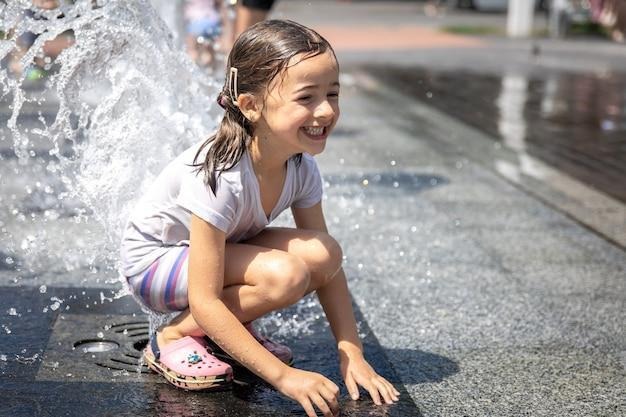
Water play is one of the easiest and most exciting ways to teach cause and effect. Fill cups, bowls, or containers with water and let your child pour from one to another. When they pour too fast, the water spills. When they squeeze a sponge, water drips out. When they tilt a cup, the water level changes.
These simple actions teach physical cause and effect in a hands-on, sensory way. Children can immediately see what happens when they change their movements, which strengthens their understanding of how actions lead to results.
2. Bubble Fun
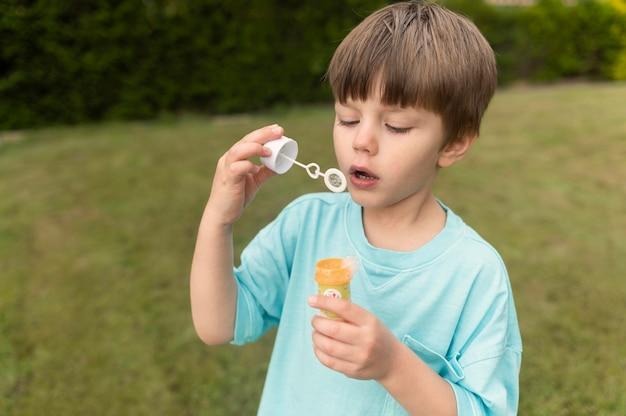
Blowing bubbles is both magical and educational. Show your child how blowing gently creates small bubbles, while blowing harder creates bigger ones. If they wave their hands, the bubbles pop. If the wind blows, the bubbles float away faster.
Encourage experimentation by asking, “What happens if we blow softly?” or “What if we blow really hard?” This activity helps children explore airflow, control, and prediction in a playful setting.
3. Toy Ramps
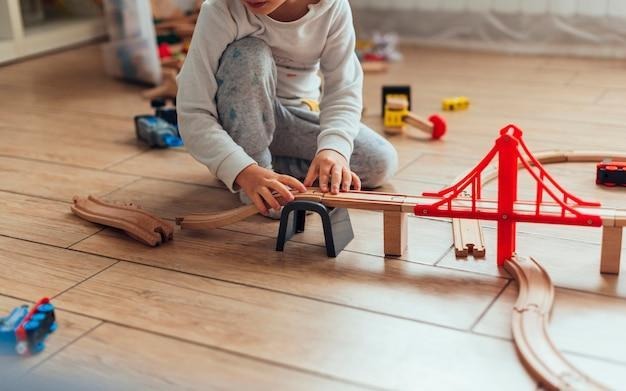
Create a simple ramp using cardboard, a book, or a small board. Roll toy cars down and observe what happens. A higher ramp makes the car go faster, while a lower ramp makes it move more slowly.
You can introduce simple predictions by asking, “What do you think will happen if we lift it higher?” This builds early scientific thinking and strengthens logical reasoning skills.
4. Baking Together
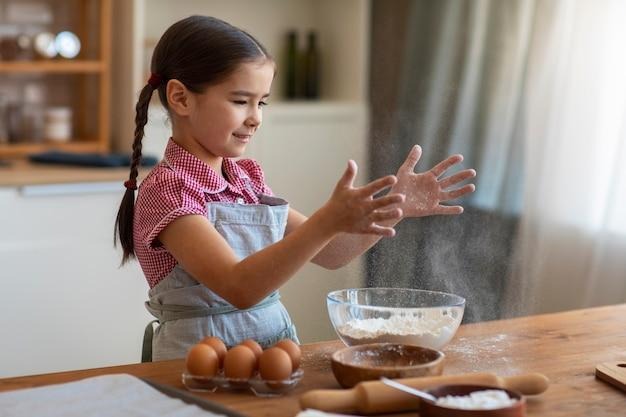
Cooking is everyday science in action. When you mix ingredients, a batter forms. When you put it in the oven, the cake rises. If you forget an ingredient, the texture changes.
Explain each step clearly: “When we add eggs, it helps the cake stay soft.” Let your child stir, pour, and measure. They will begin to see how combining actions produces delicious results.
5. Planting Seeds
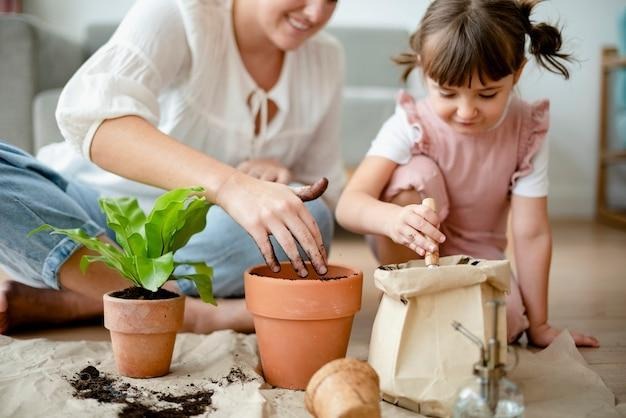
Planting a seed in a cup of soil is a powerful lesson in patience and long-term cause and effect. When you water the plant daily and give it sunlight, it begins to sprout. Without water, it wilts.
Children learn that some results don’t happen instantly. This teaches responsibility, consistency, and care over time.
6. Building Block Towers
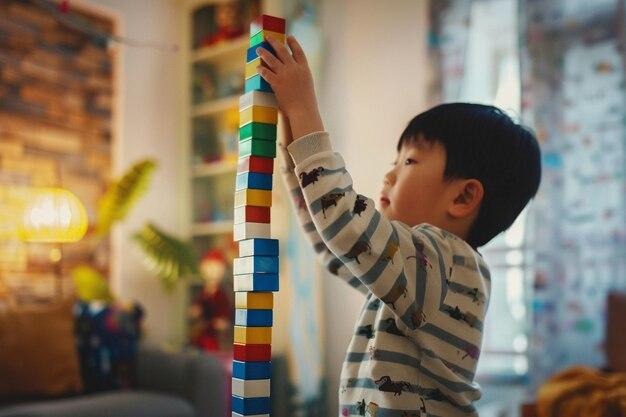
Give your child blocks to stack freely. When the base is unstable, the tower falls. When the blocks are balanced carefully, the tower stands taller.
Instead of fixing it for them, ask, “Why do you think it fell?” This encourages reflection and problem-solving. Over time, children learn that careful planning leads to stronger structures.
7. Ice and Heat Experiment
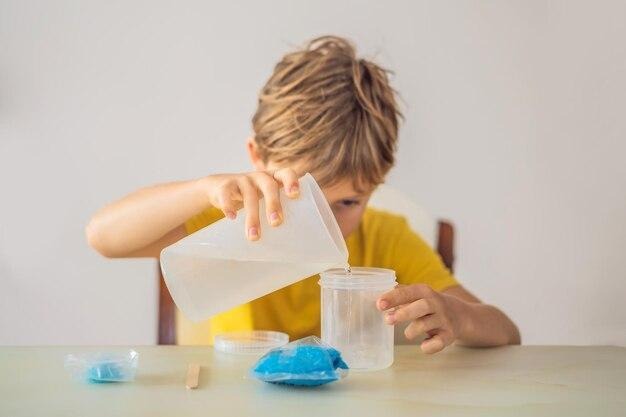
Place an ice cube in different areas, in the sun, in the shade, or inside the freezer. Watch what happens. In the sun, it melts quickly. In the shade, it melts more slowly. In the freezer, it stays frozen.
This simple experiment helps children understand how temperature affects objects. It also introduces early science concepts in a very visual way.
8. Music and Movement
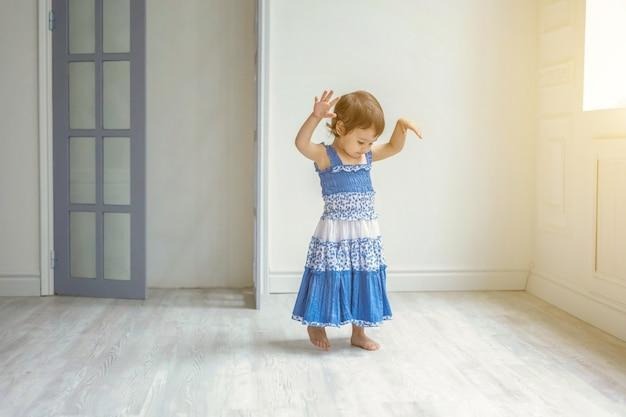
Play music and invite your child to dance. When the music is fast, they move quickly. When it’s slow, they slow down. When the music stops, they freeze.
This activity teaches listening skills and response control. It also reinforces the idea that a change in sound causes a change in action.
9. Cleaning Up Game
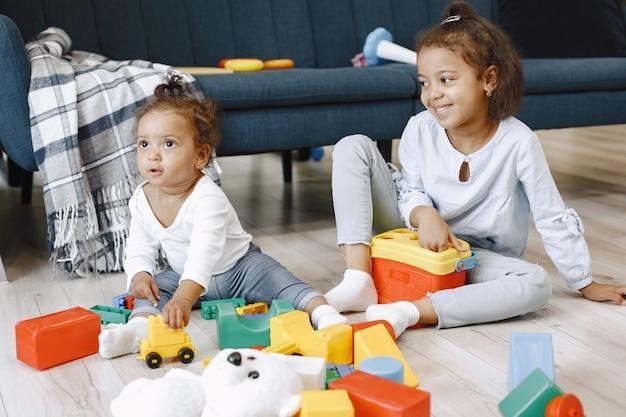
Turn cleaning into a learning moment. Explain, “If we put toys away, we won’t trip over them.” Or, “If we clean up quickly, we’ll have more time to play outside.”
Children begin to understand the practical consequences of their actions. This builds responsibility and awareness of how behavior affects their environment.
10. Shadow Play

Use a flashlight in a dark room and let your child move their hands in front of it. When they move closer to the light, the shadow becomes bigger. When they move farther away, the shadow becomes smaller.
This activity feels magical but clearly demonstrates cause and effect. Children can experiment with distance and positioning while learning how light works.
Give Your Child the Best Start at Rockstar Academy
When kids realize that their actions create results, they become more confident, curious, and independent thinkers. If you’re searching for the best early childhood education to nurture these important skills, try Preschool & Kindergarten at Rockstar Academy.
At the Best Sports & Performing Arts Academy, your child can experience a well-rounded program that combines preschool and kindergarten academics with various physical activities, exciting events, and competitions designed for different ages, skill levels, and interests.
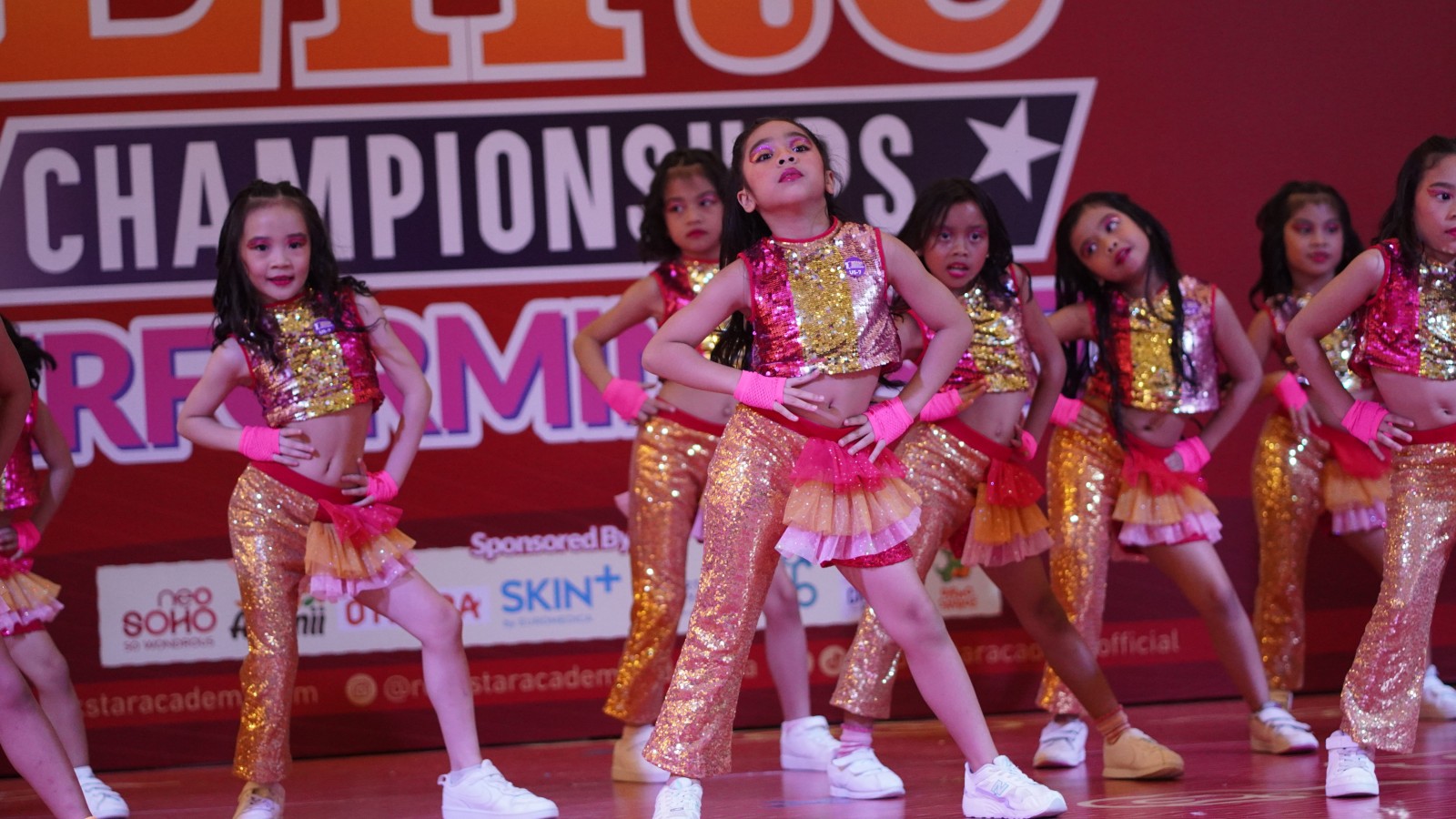
With the right guidance from our experienced teachers, children don’t just learn concepts, they grow into adaptive, confident individuals who believe in their abilities. They’ll even have the opportunity to participate in prestigious events like the Elite Championships, building courage and achievement from an early age.
And the best part? Rockstar Academy offers a free trial class before enrolling, so you and your child can experience the fun and supportive environment firsthand.
FAQ
At what age do babies understand cause and effect?
Babies begin noticing simple patterns from birth, but intentional cause-and-effect behavior usually appears around 4–8 months.
Why does my toddler repeat the same action over and over?
Repetition helps confirm learning. They are testing whether the same cause always creates the same effect.
How can I teach cause and effect without structured lessons?
Use daily life! Cooking, cleaning, playing outside, and even getting dressed all provide natural learning moments.