How to Improve Ballet Extension: Tips for Higher and Stronger Legs
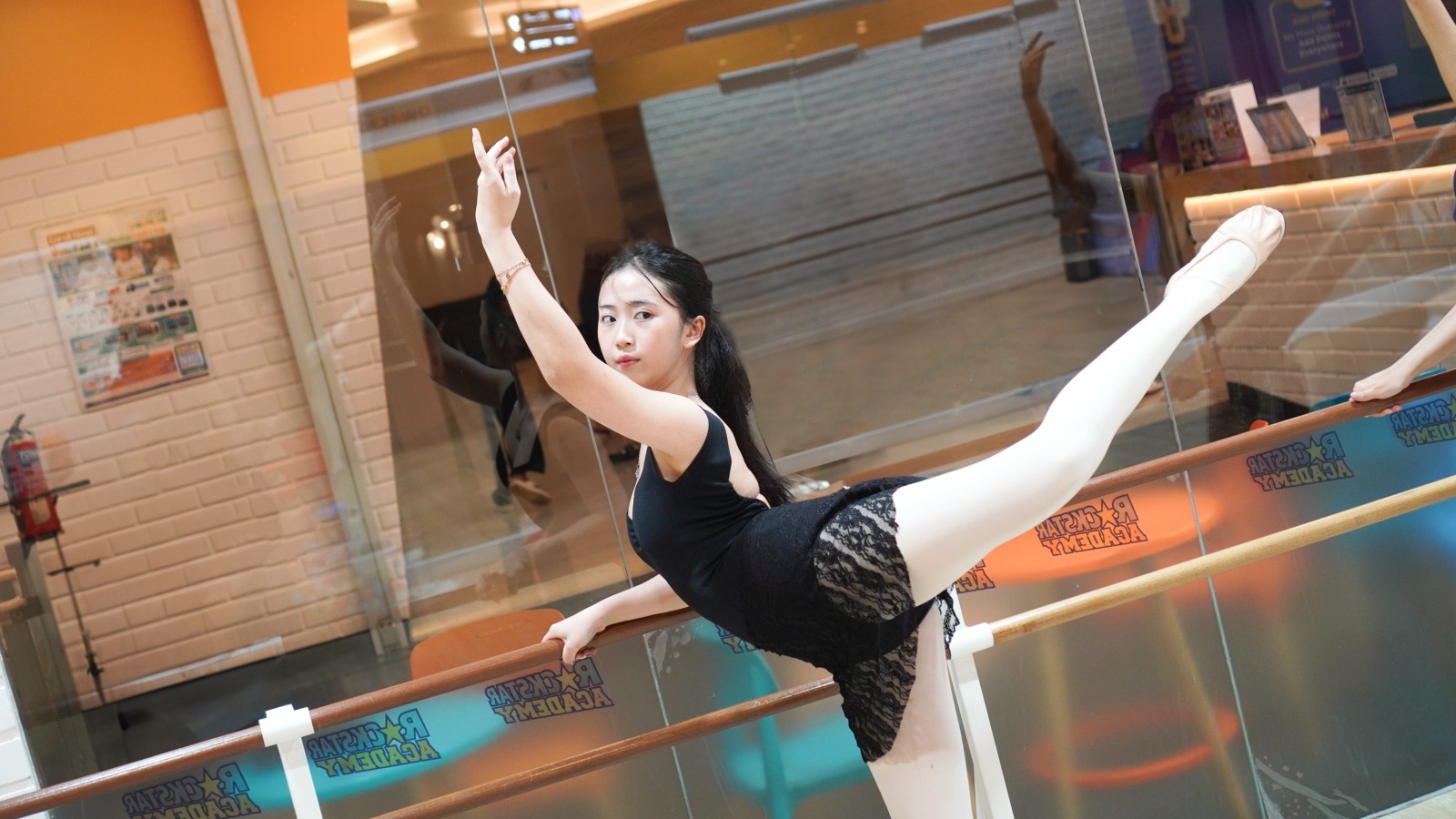
Ever watched a ballet dancer lift her leg effortlessly into a sky-high développé and thought, “How do they get it THAT high?” It almost looks magical. But here’s the secret: high ballet extensions aren’t just about flexibility. They’re about strength, control, alignment, and smart training.
If you want higher, stronger, and more controlled leg extensions, you’re in the right place. In this guide, we’ll break everything down. You’ll learn the techniques, strength exercises, flexibility drills, and practical tips that can help you lift your leg higher while keeping beautiful ballet form. Let’s keep reading!
What Is a Ballet Extension?
Ballet extension refers to how high a dancer can lift and hold their leg. It’s one of the most eye-catching elements in ballet technique and often gives that beautiful, long, elegant line audiences love to see on stage.
You’ll see extensions appear in many classical ballet movements, including développé, grand battement, arabesque, and attitude. In each of these steps, the working leg leaves the floor and stretches into the air, creating length and shape through the body.
While they may look similar at first glance, each one requires slightly different coordination, strength, and control.
But here’s something very important to remember: a high extension means nothing without control and proper placement. Lifting your leg extremely high won’t look impressive if your hips are twisted, your shoulders are tense, or your lower back is overly arched.
In fact, a clean 90-degree extension with correct alignment, strong turnout, and steady balance often looks far more professional than a 150-degree leg that sacrifices technique. In ballet, quality will always matter more than height.
Strength and Flexibility Exercises for Higher Extensions
Here are several exercises you can try to aim 3–4 times per week.
1. Slow Controlled Leg Lifts (Without Momentum)

How to do it:
- Stand in first or fifth position.
- Lift your leg slowly to 45 degrees.
- Lower slowly.
- Repeat 8–10 times each side.
- Focus on control, not height.
2. Pilates-Style Lying Leg Raises

How to do it:
- Lie on your back
- One leg extended on the floor
- Lift the other leg to 90°
- Lower slowly without arching your back
3. Clamshells for Glute Strength

How to do it:
- Lie on your side
- Knees bent
- Feet together
- Open the top knee without rolling the hips back
- Strong glutes = better turnout support and side extensions.
4. Arabesque Lifts (Low Height)

How to do it:
- Stand facing the barre
- Extend the leg behind
- Lift just a few inches
- Hold for 5–10 seconds
5. Planks for Core Control

How to do it:
- Hold a forearm plank 20–60 seconds
- Neutral spine, No sagging
6. Frog Stretch (For Turnout & Inner Thighs)

How to do it:
- Lie on your stomach
- Knees bent and open
- Feet flexed
- Gently press hips toward floor
How to Achieve Higher Extensions Without Losing Form
Achieving higher extensions is exciting, but doing it without losing proper ballet technique is what truly makes a dancer stand out. Many dancers can throw their leg high once or twice, but maintaining alignment, turnout, balance, and control while doing it consistently is the real goal.
The key is training smart, not just training hard. Below are practical, dancer-friendly tips to help you build height safely and beautifully.
1. Train Slowly
It can be tempting to rely on momentum. A quick grand battement or a fast développé might send your leg flying upward, but that doesn’t mean you truly control that height. Fast kicks build momentum. Slow lifts build strength.
When you lift your leg slowly, every muscle has to work properly. This controlled lifting teaches your body how to stabilize the pelvis, maintain turnout, and prevent the standing leg from wobbling.
If you can lift your leg slowly to 90° and hold it there with steady hips and a long spine, your body truly owns that height. From there, increasing your range becomes much safer and more sustainable. Think of slow training as building a strong foundation. Once the foundation is solid, height becomes a natural result.
2. Work Within Your True Range
Every dancer has a “true working range.” This is the height where you can lift your leg while maintaining clean alignment, square hips, engaged turnout, and calm breathing. If your leg starts shaking at 120°, your shoulders creep up, or your lower back arches dramatically, your body is telling you that you’re pushing beyond your current strength level.
Instead of fighting for the highest possible position, train consistently at 80–90° (or wherever you can maintain perfect form). Build strength and stability there. When that height starts to feel easy and controlled, your range will gradually expand on its own.
3. Use the “Lift and Lengthen” Cue
One of the biggest mistakes dancers make is thinking only about lifting the leg up. But if all your focus goes upward, your torso often collapses or your hips shift to compensate.
Instead, think in two directions at once:
- Your spine is lifting up toward the ceiling.
- Your leg is reaching long away from your hip.
- Energy is extending in opposite directions.
This “lift and lengthen” image helps create space in the body. When your spine grows taller, your pelvis stays more stable, and your leg has more freedom to rise without compressing the lower back. It also improves the aesthetic line of your extension, making it look effortless rather than strained.
4. Breathe!
It might sound simple, but breathing plays a huge role in extension control. Many dancers unconsciously hold their breath when lifting their leg higher. When this happens, tension builds in the shoulders, neck, and jaw. That tension travels down the body and limits mobility.
Instead, practice exhaling gently as you lift your leg. A steady breath helps relax unnecessary tension while keeping the core engaged. Your shoulders should stay soft, your neck long, and your face relaxed.
Breathing also helps with balance. When you breathe naturally, your body feels lighter and more stable. Think of your breath as part of your technique, not separate from it.
5. Avoid Overstretching
It’s easy to assume that more flexibility automatically means higher extensions. While flexibility is important, overstretching can actually slow your progress, or worse, cause injury.
Extreme oversplits and aggressive stretching may:
- Destabilize the hips
- Increase the risk of strains or ligament injuries
- Reduce muscular control
If your muscles are too loose without enough strength to support them, your extension may look unstable or shaky. Ballet requires active flexibility, not just passive flexibility from pulling or forcing the limb into position.
Flexibility must always match strength. When both grow together, your extensions become higher, stronger, and much safer.
Start Strong, Dance Proud, Join Rockstar Academy Today!
If you want your children to truly improve in ballet, now is the perfect time to support their journey. As parents, you are encouraged to enroll your child in the ballet program at Rockstar Academy, the best Sports & Performing Arts Academy offering a wide range of physical activity programs designed to build both skill and character.
At Rockstar Academy, students follow a structured curriculum that allows them to participate in RAD Ballet Testing, Ballet & Contemporary Dance Recital, Elite Championships, and RockOlympics, exciting performance and competition experiences that help children discover their true potential, develop confidence, and shine on stage.
Even better, Rockstar Academy offers a free trial class, so your child can experience the training, environment, and supportive community firsthand. Give your child the opportunity to lift higher, grow stronger, and dance with confidence!
FAQ
Do I need to be naturally flexible to get high extensions?
No! Natural flexibility helps, but strength and technique matter more. Many dancers improve dramatically through smart training.
Should I stretch every day?
Light stretching daily is okay, but deep intense stretching should be limited to 3–4 times per week. Always warm up first.