Principles of Stage Movement: Essential Techniques for Actors
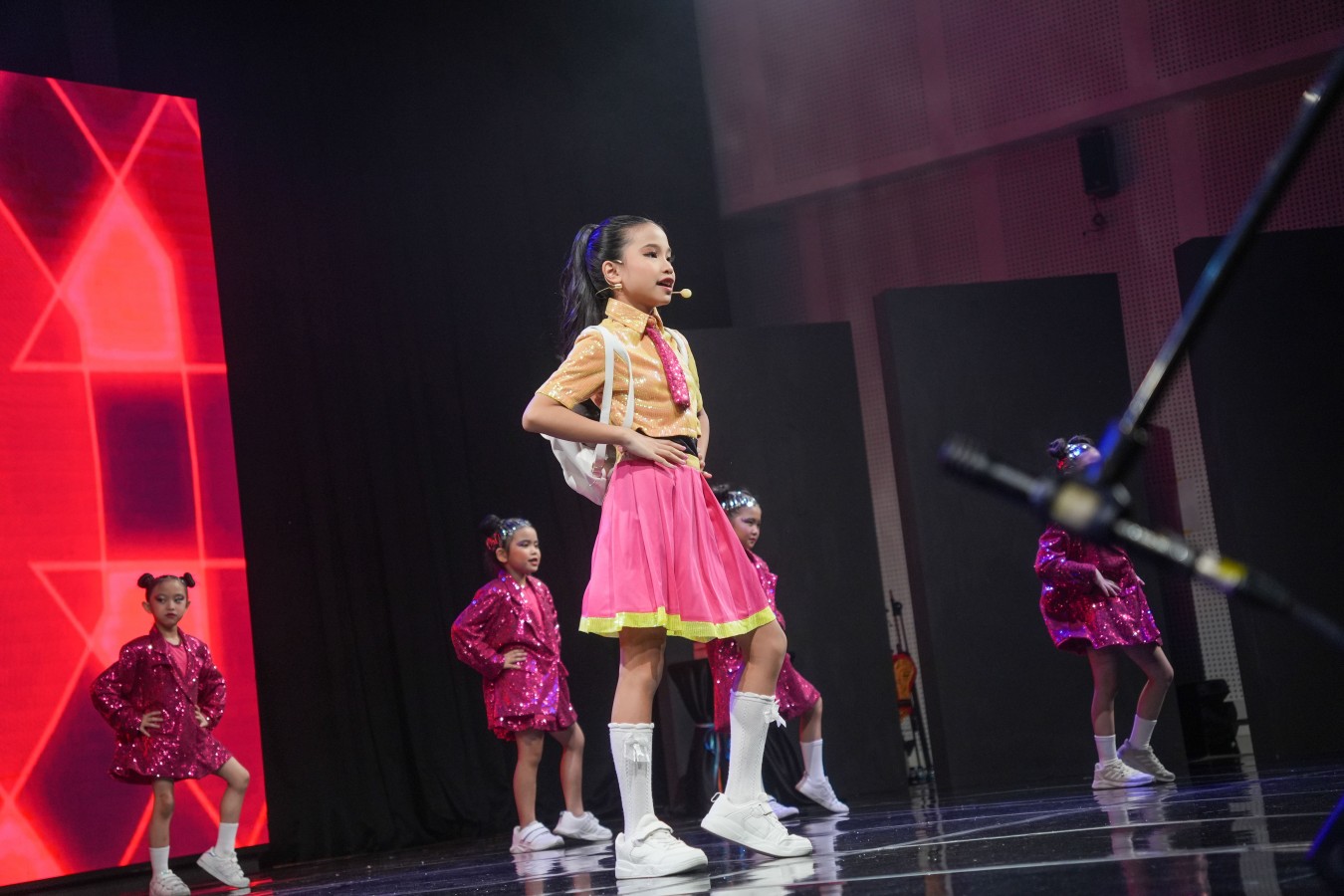
Do you know about the magic of stage movement? Before a single line is delivered, the body is already telling a story. A slow, heavy walk can show sadness. A sharp turn can show anger. A confident stride can show power. On stage, every step, pause, and gesture matters.
In this article, we’ll break down the basic principles of stage movement, explore different movement techniques actors use, and explain how body language and spatial awareness can elevate your acting to the next level.
What Is Stage Movement?
Stage movement refers to how actors use their bodies to communicate meaning during a performance. It’s not random. It’s intentional, purposeful, and connected to the character and story.
In theatre traditions influenced by systems like Konstantin Stanislavski’s method, movement is closely connected to inner motivation. In more physical-based approaches inspired by Jacques Lecoq, the body becomes the main storytelling tool. No matter the style, movement is always powerful.
The Basic Principles of Stage Movement
Let’s explore the essential principles every actor should understand.
1. Purposeful Movement
Every movement on stage should have a clear reason behind it. When you walk, sit, turn, using blocking theatre technique or even shift your weight, it should connect to what your character is thinking or feeling in that moment. Movement without intention can look distracting or confusing to the audience.
Before you move, ask yourself: Why am I crossing the stage right now? Why am I sitting down? Why am I turning away? If you don’t have an answer, the movement might not be necessary.
2. Economy of Movement
In acting, less is often more. Not every emotion needs a huge gesture. Not every line needs dramatic hand movements. When actors move too much or overdo their gestures, the performance can start to feel exaggerated or fake.
Skilled actors understand when to move and when to stay still. In fact, stillness can be incredibly powerful. Standing quietly with confidence and control can create more impact than constant movement. When you save bigger gestures for important moments, they become more meaningful.
Think of movement like highlighting words in a book. If everything is highlighted, nothing stands out. But if you highlight only the key moments, they become powerful.
3. Balance and Alignment
Posture might seem like a small detail, but it makes a huge difference on stage. Good alignment helps you look confident, project your voice clearly, and avoid getting tired too quickly during long performances.
Strong alignment means your body is balanced and supported. Imagine a gentle string pulling the top of your head upward. Your shoulders are relaxed, your chest is open, and your feet feel firmly connected to the ground. This grounded yet lifted position gives you a strong stage presence.
When your body is aligned, your movements feel controlled and intentional instead of sloppy or tense. It also helps you breathe better, which improves your voice and emotional control.
4. Energy and Focus
Even when you’re not moving, your body should feel alive. Stage energy doesn’t mean bouncing around or moving quickly, it means being fully present in the moment. The audience should feel that your character is thinking, listening, and reacting, even in silence.
Focus is just as important as movement. If your attention drifts or you look distracted, the audience will notice immediately. But when your focus is strong and clear, it creates tension and engagement.
5. Clarity and Visibility
Theatre is a visual art form, and your movements must be clear enough for everyone to understand, even the audience members sitting in the back row. Subtle gestures that might work on camera can get lost on stage.
This doesn’t mean you should exaggerate wildly. Instead, slightly expand or refine your gestures so they read clearly from a distance. Make sure your body isn’t blocking your face during important lines, and be aware of how your position affects what the audience can see.
Different Movement Techniques Actors Use
Now let’s explore some popular movement techniques used in theatre training.
1. Alexander Technique
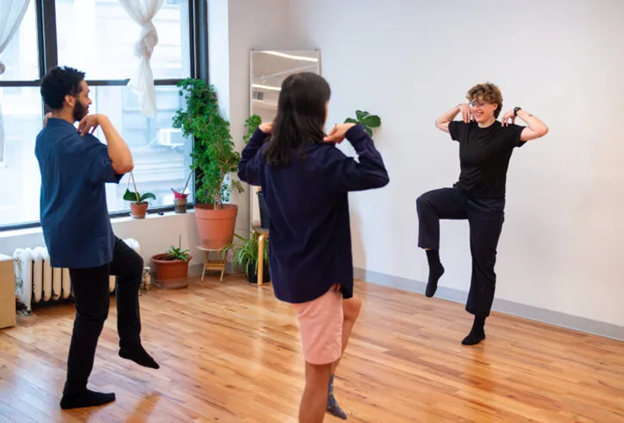
Think of the Alexander Technique as a “reset button” for your body. It was created by Frederick Matthias Alexander in the late 1800s after he kept losing his voice during performances.
Instead of blaming his vocal cords, he carefully observed himself and discovered the real problem: tension. The way he stood, breathed, and held his body was creating unnecessary strain.
The Alexander Technique helps you become aware of hidden tension patterns you may not even realize you have. It teaches you how to improve posture, breathe more naturally, and move with greater ease. Rather than adding complicated new skills, it focuses on helping you unlearn bad habits that interfere with your natural coordination.
2. Jacques Lecoq Movement Technique
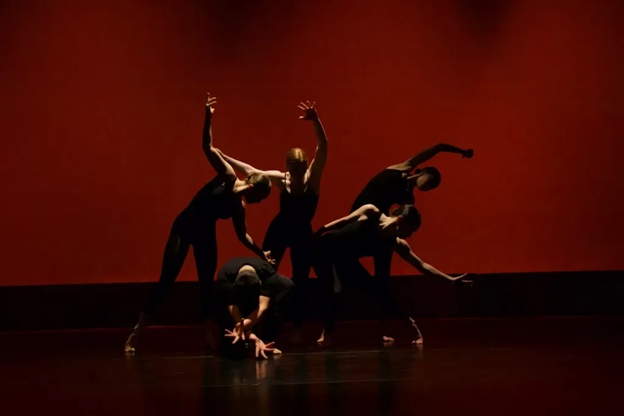
The movement technique developed by Jacques Lecoq is all about creativity through the body. Lecoq believed that movement is at the heart of performance, and in 1956 he founded L'École Internationale de Théâtre Jacques Lecoq, which remains one of the world’s leading physical theatre schools.
This technique uses mime, mask work, clowning, and improvisation to unlock an actor’s imagination. Students explore movements inspired by nature, such as water, fire, or wind, as well as colors, seasons, and historical theatre styles like Commedia dell’arte. One of Lecoq’s most famous tools is the neutral mask.
When actors wear it, they cannot rely on facial expressions, so they must communicate entirely through their bodies.
3. Corporeal Mime
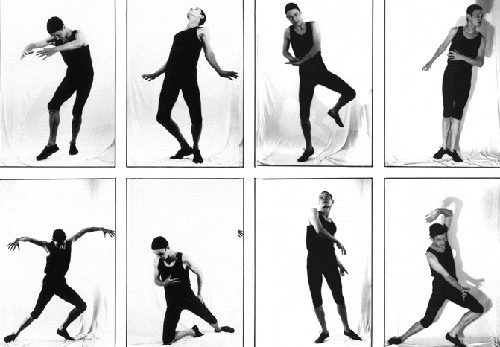
Corporeal Mime was developed by Étienne Decroux, who wanted to take mime beyond simple imitation. Traditional mime often recreates everyday actions, like pretending to pull a rope or climb a ladder. Corporeal Mime goes much deeper by expressing invisible ideas.
Instead of copying daily activities, this technique transforms thoughts, emotions, and inner struggles into physical shapes and movements. It focuses on showing what’s happening inside a character rather than just what they are doing on the outside.
Decroux believed that modern life disconnects people from their bodies. Corporeal Mime brings physical expression back to the center of performance, helping actors make invisible feelings visible.
4. Viewpoints
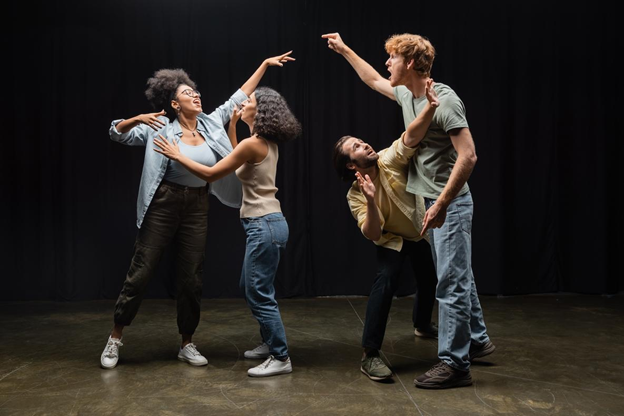
Viewpoints is a movement system that focuses on ensemble awareness and collaboration. It was first developed by choreographer Mary Overlie and later expanded by directors Anne Bogart and Tina Landau.
Rather than concentrating only on character psychology, Viewpoints explores how actors relate to time, space, shape, movement, and sound. Performers experiment with tempo, duration, spatial relationships, repetition, and spontaneous reactions.
5. The Suzuki Method of Acting
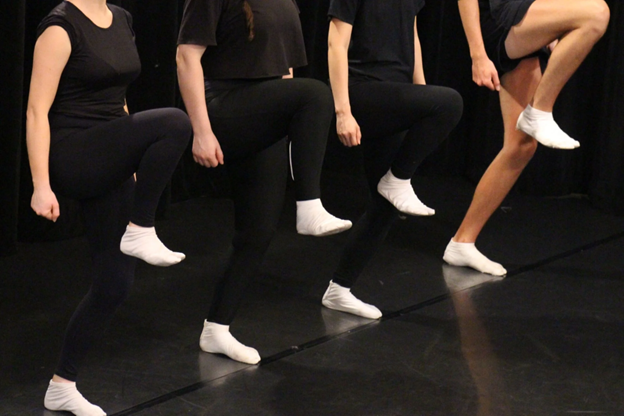
The Suzuki Method, created by Japanese director Tadashi Suzuki, is known for its intensity and discipline. It began with his theatre group, the Suzuki Company of Toga, and has since spread around the world.
Suzuki believed that acting begins with the feet. His training includes strong stomping exercises, deep squats, controlled walking patterns, and holding powerful positions for extended periods. These demanding exercises build core strength, stamina, concentration, and grounded presence.
Inspired by martial arts, traditional Japanese theatre forms like Noh and Kabuki, and the ancient Greek chorus, Suzuki’s method pushes actors physically and mentally. While the training can be exhausting, it leaves performers feeling strong, centered, and deeply connected to the stage.
6. The Williamson Technique
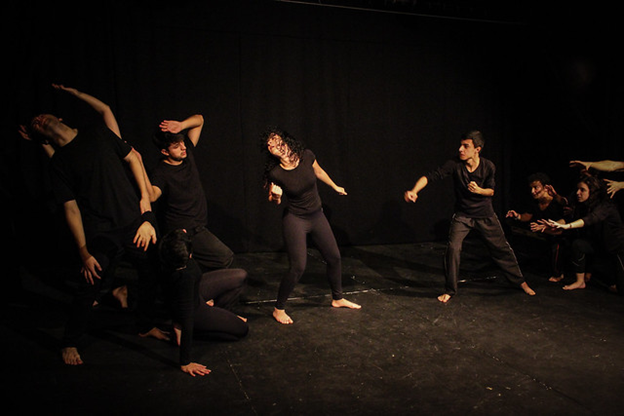
The Williamson Technique was created by actor and teacher Lloyd Williamson and works closely with the emotional training methods of Sanford Meisner. It focuses on the connection between the five senses, physical response, and emotional behavior.
The idea is simple but powerful. When you notice something through your senses, it creates a real experience inside you. That experience naturally leads to behavior. That behavior then produces new sensory input, and the cycle continues.
7. Laban Movement Analysis
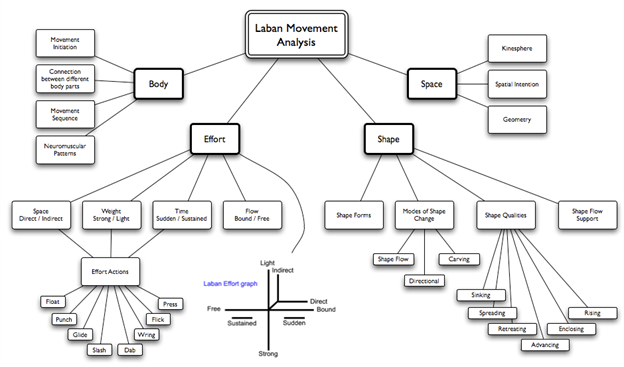
Developed by Rudolf Laban, Laban Movement Analysis is often described as a science of movement. It provides a clear system for observing and understanding how the body moves.
Laban divided movement into four main categories: Body (what is moving), Effort (how it is moving, strong, light, fast, slow), Shape (the form the body creates), and Space (where the movement travels). This structure allows actors to break down and analyze even the smallest details of physical behavior.
Build Confidence, Creativity, and Stage Presence at Rockstar Academy!
If you want your children to truly grow in their acting journey, now is the perfect time to nurture their talent in the right environment. At Rockstar Academy, the best Sports & Performing Arts Academy, children can join our exciting Broadway program where they learn professional acting techniques, stage movement, voice control, and performance skills in a fun and supportive setting.
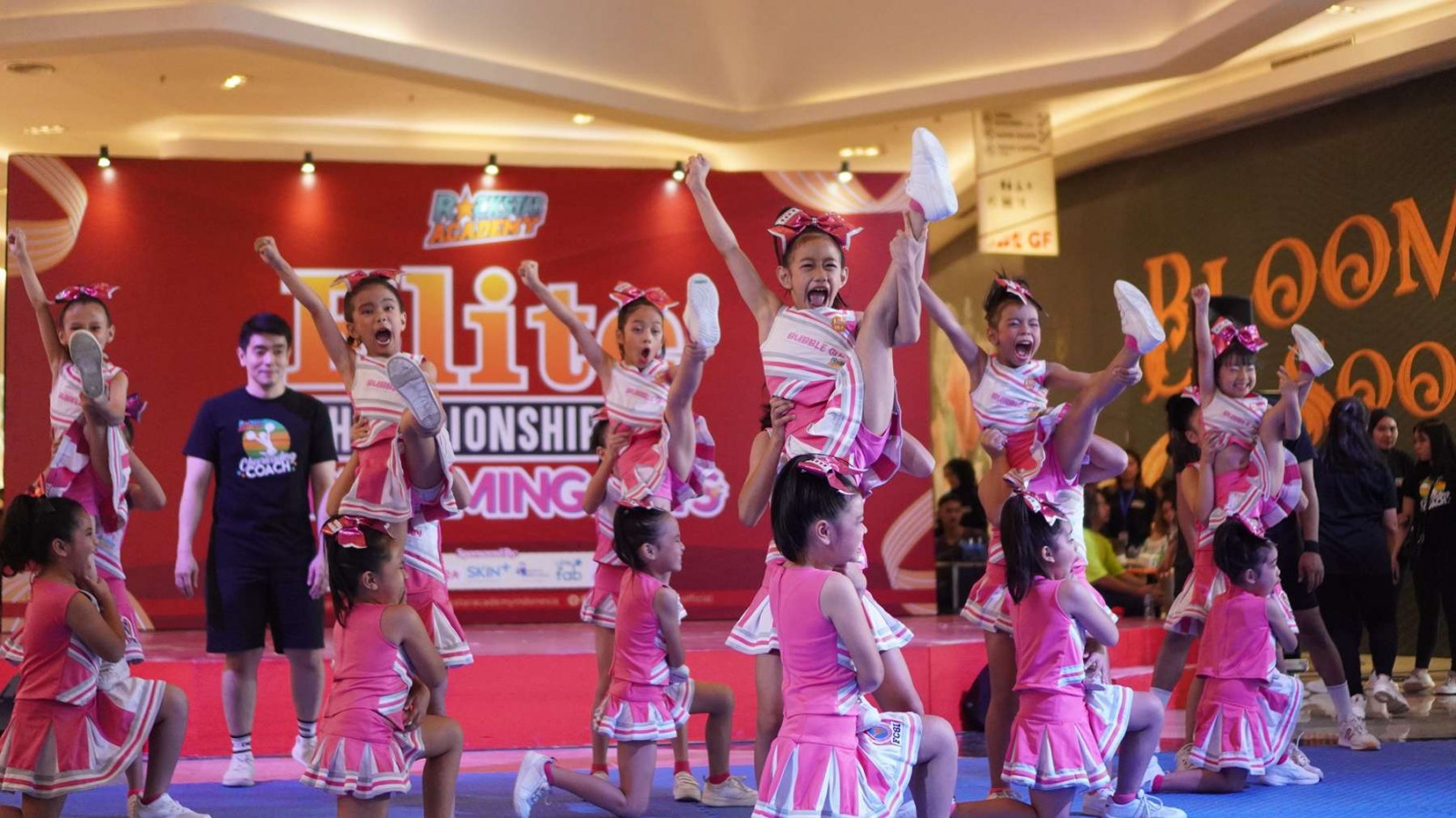
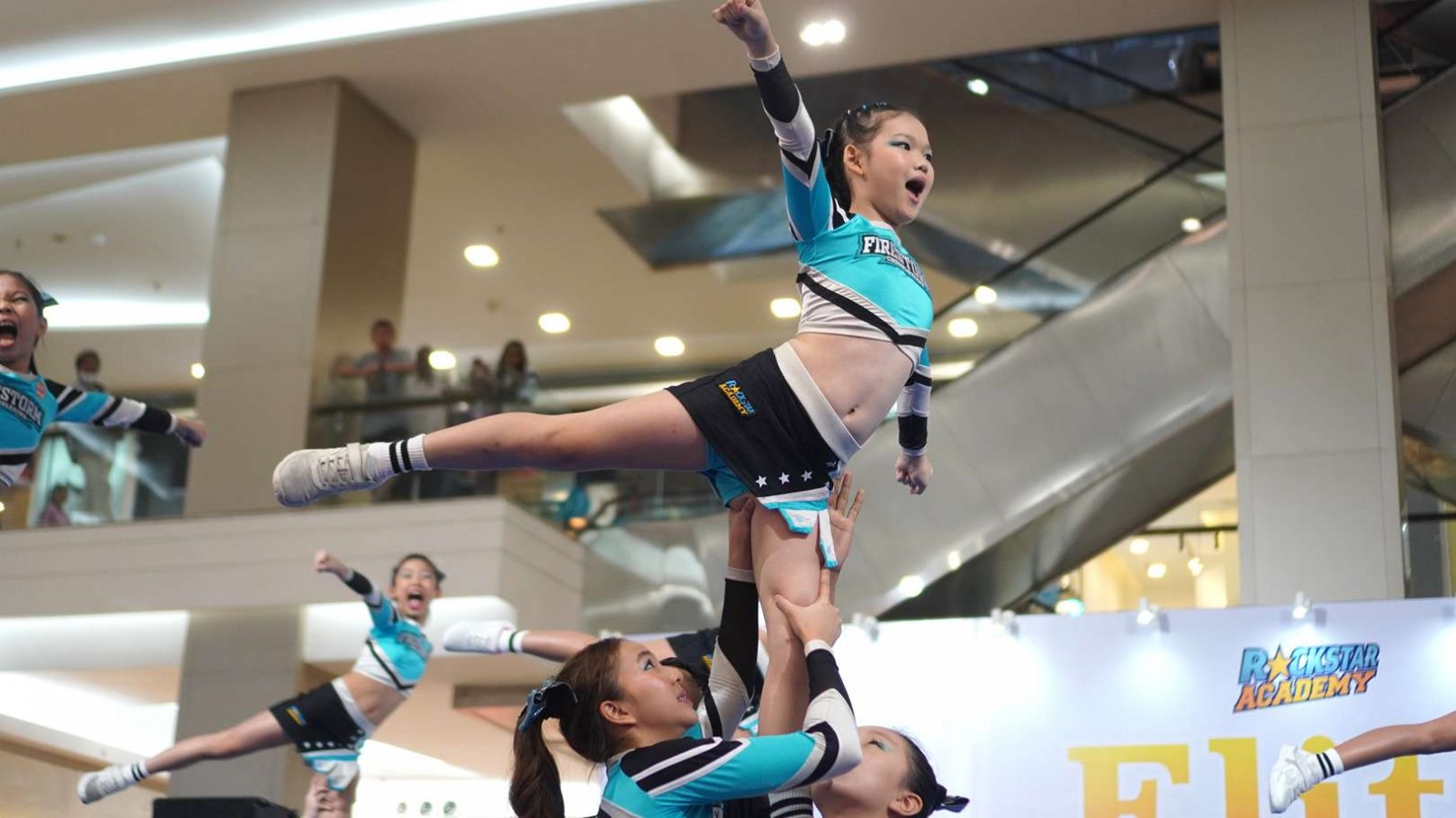
Our structured curriculum gives students the opportunity to shine in events like the Broadway Recital, compete in Elite Championships, and participate in RockOlympics, an unforgettable learning experience that helps them discover their true potential on and off the stage.
And the best part? Rockstar Academy offers a free trial class, so your child can experience the magic of performing before you commit. Let them step into the spotlight and begin their journey to becoming confident, expressive performers today!
FAQ
What is the most important principle of stage movement?
Purpose. Every movement must have intention. If you know why your character moves, the audience will believe it.
How can I improve my body language as an actor?
Practice observing people in real life. Study how emotions affect posture and gestures. You can also explore techniques like Laban Movement Analysis to expand your physical range.
Why is spatial awareness important in acting?
Spatial awareness helps actors maintain strong stage pictures, avoid blocking other performers, and communicate relationships visually.