Mastering Breathing Drills for Efficient Swimming
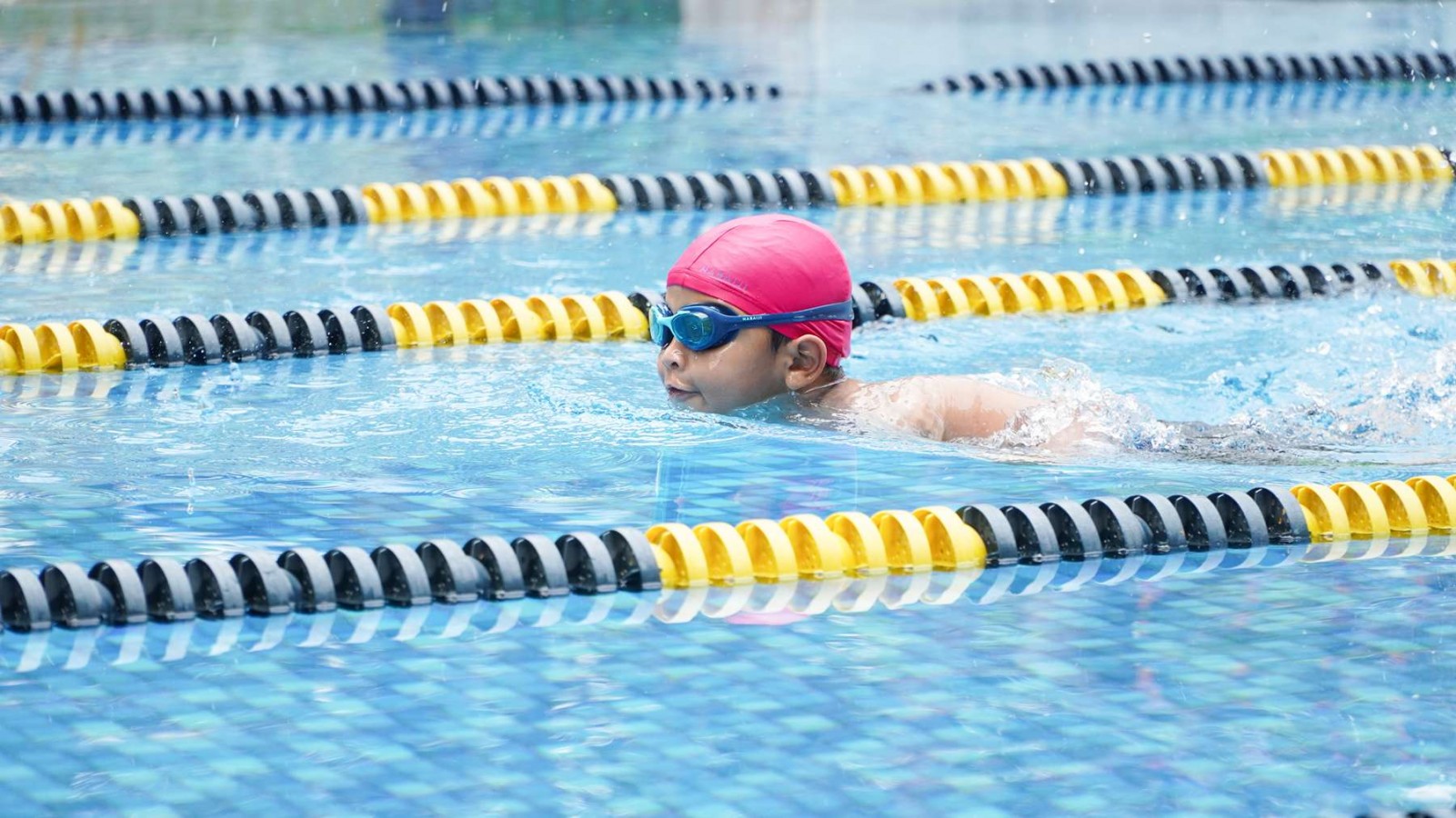
When you think about swimming, you might picture gliding through the water, feeling weightless and free. But there’s one thing that is actually an important key to it, which is breathing.
With the right breathing drills for swimming, anyone can learn to breathe like a pro in the water. Let’s dive into the fundamentals and discover how proper breathing can transform your swim!
The Fundamentals of Breathing for Swimming
Breathing in swimming is different from breathing on land. On land, you inhale and exhale without much thought. In water, though, things get trickier because your face is often submerged, and timing becomes everything.
Here are the basic principles of swimming breathing:
- Inhale through your mouth, exhale through your nose (or mouth) underwater.
- Don’t hold your breath underwater.
- Relax your breathing rhythm.
There are two different breathing for swimming that you can choose:
- Bilateral Breathing: Breathing on both sides helps you stay balanced and symmetrical.
- Unilateral Breathing: Breathing on one side (common in freestyle) can help during fast laps or turns.
Experiment with both and see which feels smoother for you. Bilateral breathing builds balance, while unilateral breathing gives flexibility for speed.
Diaphragmatic Breathing: The Secret Weapon for Breathing Swimming
Diaphragmatic breathing is a technique used by professional swimmers to increase lung capacity and improve oxygen efficiency. Instead of using your chest to breathe, you engage your diaphragm, a muscle located below your lungs.
Here’s how it works:
- Lie down or sit comfortably. Place one hand on your chest and the other on your belly.
- Inhale deeply through your nose. As you inhale, feel your belly rise (not your chest). This means your diaphragm is pulling air deep into your lungs.
- Exhale slowly through your mouth. Let your belly fall gently as you exhale.
- Repeat for a few minutes daily.
How Often Should You Breathe While Swimming?
It actually depends on your swimming style, pace, and comfort level. However, here are some general guidelines:
- Freestyle (Front Crawl)
In freestyle swimming, beginners often breathe every 2 strokes (to one side), while advanced swimmers may use a 3-stroke pattern (alternating sides). The key is to never go too long without air. If you feel breathless, breathe more frequently.
- Breaststroke
Typically, swimmers take one breath per stroke cycle in breaststroke. The inhale happens when the head rises above water, and the exhale continues underwater until the next stroke.
- Butterfly
In butterfly swimming, many swimmers breathe every stroke, though competitive athletes may breathe every 2 strokes for speed.
- Backstroke
Backstroke is easiest for breathing as you can inhale and exhale freely since your face is above water!
The goal is to find a breathing rhythm that keeps you comfortable without disrupting your stroke. Over time, your body will naturally adapt to a breathing pattern that works best for you.
Effective Breathing Drills for Swimming
Now that you understand the theory, let’s put it into practice! These breathing drills are designed to help you improve control, timing, and lung capacity.
1. Bubble Blowing Drill (Beginner)
.jpg)
How to Do It:
- Stand or hold onto the pool edge.
- Submerge your face in the water.
- Blow bubbles through your nose or mouth while keeping your body relaxed.
- Lift your head, inhale, then repeat.
2. Side Breathing Drill (Freestyle)
.jpg)
How to Do It:
- Push off the wall and swim freestyle slowly.
- Focus on turning your head just enough to get one eye above water for a quick inhale.
- Exhale continuously underwater before your next breath.
- Try alternating breathing sides every 3 strokes for balance.
3. Kickboard Breathing Drill
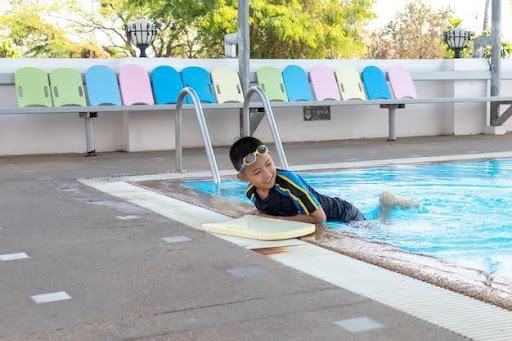
If you struggle with head position or timing your breath, this one’s a must. Hold a kickboard in front of you and start kicking gently. Practice turning your head to the side (like in freestyle) to take a breath, then exhale underwater. Focus on keeping your body straight and your head low in the water.
This isolates your breathing movement, so you can focus purely on timing and technique. It also helps you maintain proper alignment and balance when you breathe.
4. Underwater Streamline Drill
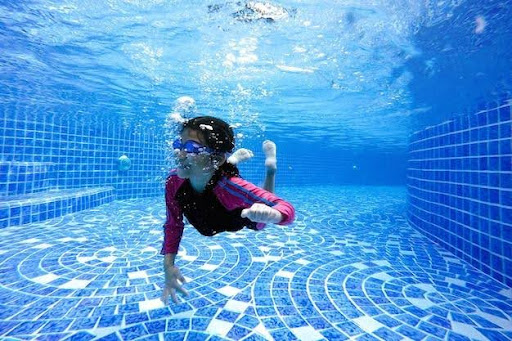
This one is great for developing strong lungs and improving breath control in swimming. Push off the pool wall in a tight streamline position (arms straight, hands together above your head). Glide underwater as far as possible while exhaling slowly and steadily. When you feel ready to breathe, surface, take a deep breath, and repeat.
This drill trains your lungs to use oxygen more efficiently and teaches you to exhale completely before taking your next breath. It also builds confidence and comfort underwater.
5. Interval Training
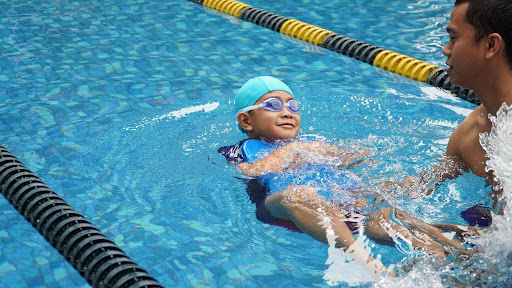
Want to improve both your breathing and endurance? Interval training is your best friend. Alternate between short bursts of high-intensity swimming and rest periods. For example:
- Swim one lap at full effort, then rest for 20–30 seconds.
- Repeat for several rounds.
- You can also vary your breathing pattern—try breathing every 3 strokes for one lap, then every 5 for the next.
Master Your Breathing Skill With Rockstar Academy!
Breathing may seem simple, but in swimming, it’s the key that unlocks speed, control, and confidence in the water. If you want your children to take their swimming to the next level, enroll them in the Swimming Program at Rockstar Academy!
Rockstar Academy is the best Sports & Performing Arts Academy, offering a wide range of physical activity programs designed to help students grow, perform, and shine. Through exciting events like RockOlympics, students experience unforgettable learning moments while discovering their true potential in a fun and supportive environment.
For even faster progress, Rockstar Academy also offers a Private Instruction Program — a highly personalized, skills-based training designed to meet each student’s individual needs and goals. With one-on-one guidance, detailed feedback, progress videos, and weekly home exercises, students receive the focused attention they need to truly excel.
Ready to see your child swim stronger and breathe easier? Join Rockstar Academy today and sign up for a free trial class!
FAQ
How do you train your breathing for swimming?
Practice breathing drills like bubble blowing, side breathing, and diaphragmatic breathing to improve control, timing, and lung capacity. Consistent practice helps your body get used to rhythmic breathing in the water.
How to stop being out of breath when swimming?
Exhale continuously underwater instead of holding your breath, and breathe more frequently if needed. Stay relaxed and focus on smooth, steady strokes to avoid overexertion.