The Backhand Flick Pickleball: How to Hit It and When to Use It
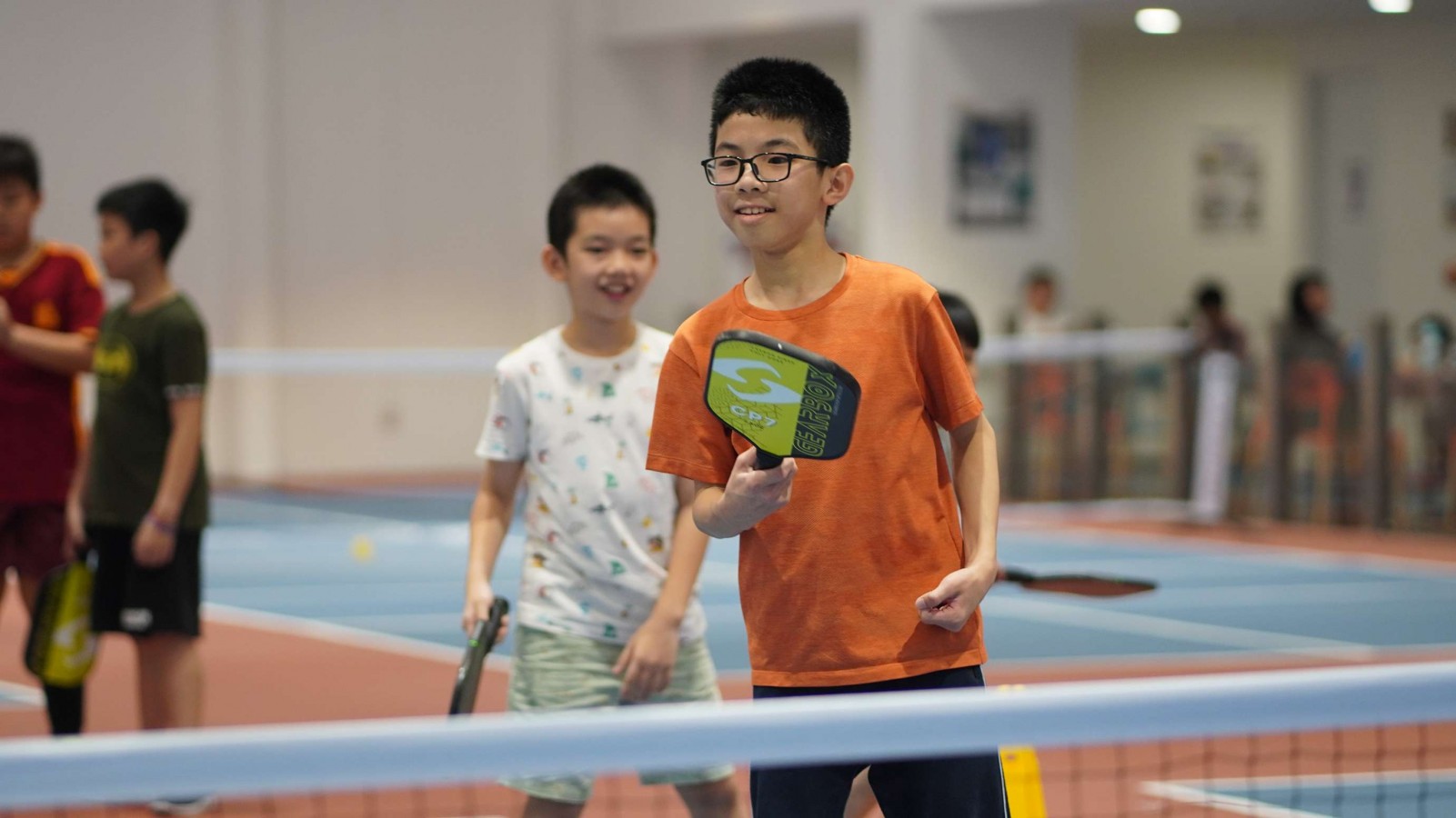
Some pickleball shots are powerful because of their strength, while others are effective because of their surprise factor. One of the sneakiest and most skillful shots you can add to your game is the backhand flick pickleball.
When executed properly, it can completely catch your opponent off guard, turning a defensive rally into an offensive opportunity in just one swing. Our guide will walk you through what the backhand flick is, how to hit it correctly, when to use it, and drills you can practice to make it a reliable weapon in your pickleball game. Keep scrolling!
What is the Backhand Flick in Pickleball?
The backhand flick is a quick, wrist-driven shot used primarily at the kitchen line (non-volley zone). Instead of taking a big swing, you use a compact motion with your paddle to “flick” the ball over the net, usually when it’s hovering just above or around net height.
The surprise lies in opponents expecting a dink or a soft return, but instead, you generate sudden pace that forces them to react quickly.
Think of it as a way to instantly change gears. You look like you’re about to play a soft, controlled shot, but with a quick snap of your wrist, you send the ball faster and deeper into your opponent’s court. Done right, this not only wins points but also makes opponents second-guess every dinking you hit afterward.
How to Hit the Backhand Flick in Pickleball
The backhand flick requires precision, timing, and a bit of finesse. Here’s how to break it down:
1. Positioning at the Kitchen Line
Stay near the non-volley zone in a balanced stance, keeping your knees slightly bent so you’re prepared to move and react quickly.
2. Grip and Paddle Angle
Hold the paddle with a continental grip, like you’re shaking hands, and angle the paddle face slightly closed to add forward spin and maintain control.
3. Compact Backswing
Instead of a big swing, use just a short backswing and keep your paddle close to your body for a fast, controlled motion.
4. The Wrist Action
The power of the flick comes from the wrist snap. As the time as the ball approaches, try smoothly snapping your wrist upward and forward in one quick motion.
5. Follow-Through
Keep your follow-through tight and controlled. Remember to focus on adding just enough pace to surprise your opponent, not on hitting the ball with full power.
When to Use the Backhand Flick
The backhand flick isn’t a shot to spam, it’s a tactical weapon. Here’s when to pull it out:
- During Kitchen Dink Exchanges
When both teams are at the net, a flick can break the rhythm and force your opponent onto the defensive.
- Against Opponents Creeping Forward
If your opponent is leaning too close to the net, a flick pushes the ball past them before they can react.
- When the Ball Sits a Little Too High
If your opponent gives you a dink that floats slightly above net height, that’s the perfect time to flick.
- To Keep Opponents Guessing
Mixing in the flick with regular dinks prevents predictability, making you much harder to play against.
How Effective is the Backhand Flick?
The effectiveness of the backhand flick lies in its ability to change the pace of the rally instantly. While dinks are about patience and control, the flick injects speed and pressure, forcing errors. What’s the effect of doing backhand flick in pickleball?
- Creates Openings: Opponents often pop the ball up in panic, giving you or your partner an easy put-away.
- Builds Psychological Pressure: Once opponents know you can flick, they’ll hesitate during dink rallies, unsure of what’s coming next.
- Versatile for All Levels: Beginners can use it as a surprise move, while advanced players can turn it into a consistent scoring tool.
Drills to Improve the Backhand Flick in Pickleball
The pickleball backhand is a fairly difficult technique to master, so you need some drills that can help in the process of mastering it. Of course, this must be accompanied by consistency and dedication. Here are some backhand flick drills you can do:
1. Wall Drill
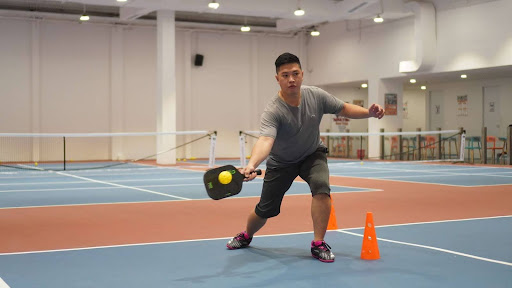
Position yourself a few feet from a wall and practice flicking the ball over and over with your backhand, concentrating on keeping the wrist movement compact and the contact consistent..
2. Partner Toss Drill
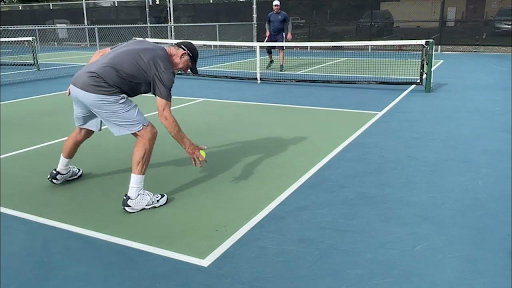
Ask a partner to feed you balls that land near the kitchen line, and practice recognizing when to go for a dink and when to switch to a flick.
3. Dink-to-Flick Drill
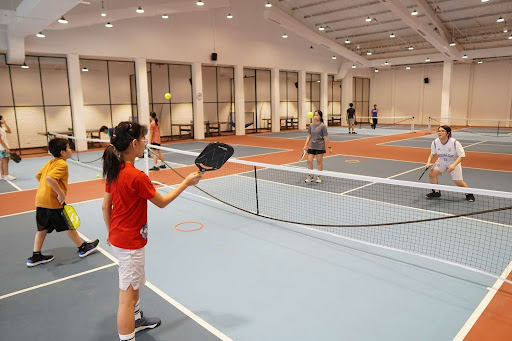
Begin a dink rally with your partner, and after every 5–6 shots, slip in a flick to practice blending it smoothly into real gameplay.
4. Target Practice

Set up cones or markers on the opposite court and practice flicking the ball toward them to sharpen your aim and accuracy.
5. Game Simulation Drill
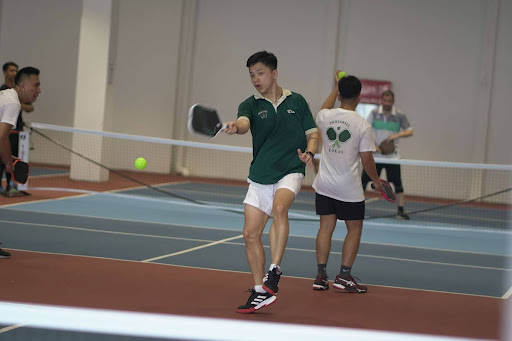
Play practice points where the only way to score is by using a flick, helping you build confidence and learn the best moments to use it effectively.
These Tips Will Help You Master The Backhand Flick!
Mastering the backhand flick can give your pickleball game an edge, and the best way to sharpen this skill is through structured training and practice. At Rockstar Academy’s Sports & Performing Arts Academy, you can take your pickleball to the next level with expert coaches, supportive programs, and a curriculum designed to build both technique and confidence.
Even better, Rockstar Academy offers a free trial class for all programs, including pickleball class, so you and your partner can experience the benefits firsthand.
Our pickleball program also includes participation in exciting events like the Elite Championships, giving players the opportunity to apply what they’ve learned in real competition and grow through match experience.
To ensure fair and competitive play, our pickleball program is divided into skill-based divisions: Developmental, Futures, Challengers, and Champions. These divisions allow every student to train and compete against players of equal ability, creating an environment where they can grow at the right pace.
Join today, and discover how the right training environment can transform your skills and keep you ahead on the court!
FAQ
Is the backhand flick hard to learn?
Not at all—it just takes practice. The biggest challenge is timing and wrist control, but with repetition, most players can pick it up quickly.
Can beginners use the backhand flick?
Yes! While it may take a little time to master, beginners can definitely add it to their game. Start slow, focus on control, and build from there.
Will using the backhand flick too much hurt my game?
Yes, if you overuse it. The flick works best as a surprise shot. If opponents start expecting it, it loses its edge.