Muay Thai Punches and How to Execute Them
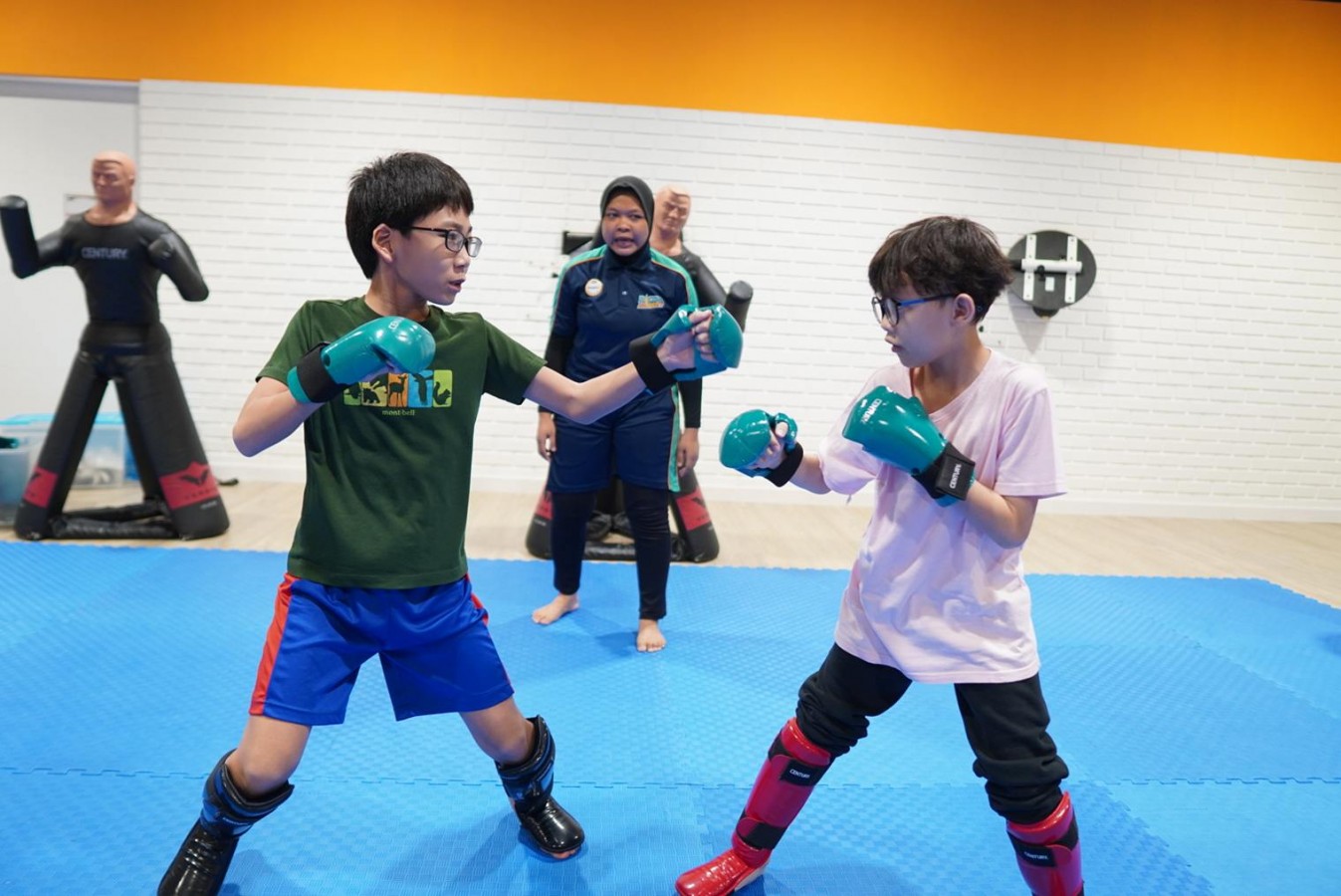
Muay Thai punches are a key part of this powerful martial art, adding speed, precision, and impact to your striking game. Unlike some fighting styles that focus mostly on kicks, Muay Thai combines punches, elbows, knees, and kicks for a complete and versatile approach.
In this article, we’ll break down what Muay Thai punches are, the different types, how to perform them correctly, and tips to improve your punching skills.
What Are Muay Thai Punches?
Muay Thai punches are powerful strikes delivered with your fists, designed to hit with speed, precision, and impact.
Unlike just throwing punches like in regular boxing, Muay Thai integrates punches with your whole body. They’re not only for hitting the opponent but also for setting up other strikes like kicks, elbows, or knees, making them a key part of this dynamic martial art.
Types of Muay Thai Punches
If you’re learning muay thai punches, it helps to know the basic types and how to throw them cleanly. Below are the most common punches used in Muay Thai you can practice safely and confidently:
1. Jab
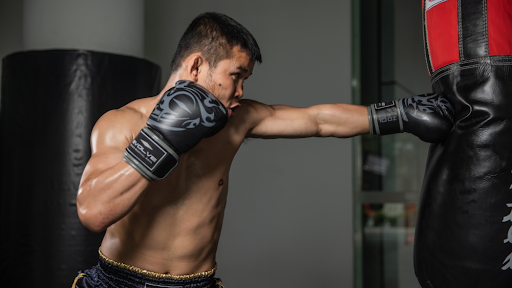
The jab is a fast, straight punch from your lead hand used to probe, control distance, and set up bigger strikes.
Rotate your lead shoulder forward, snap your lead fist straight out, then pull it back to guard. It’s more about timing and control than pure power, so keep it quick and tight.
2. Cross
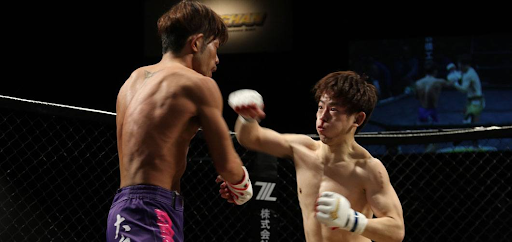
The cross is the rear-hand straight punch that brings real power when timed right. Pivot on your back foot and rotate your hips and shoulders toward the target as you extend your rear fist, then snap it back to guard. Think of it as the power punch that follows the jab or finishes a combo.
3. Hook
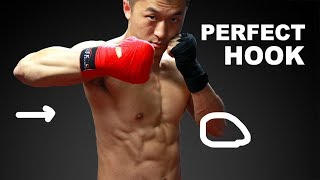
The hook is a short, arcing punch that hits the side of the head or body and is great for bypassing defenses. Pivot on the ball of the foot on the same side, rotate your hips and lead shoulder, and swing your arm horizontally with your elbow bent about 90 degrees. Keep it compact and return to guard quickly so you don’t leave yourself open.
4. Uppercut
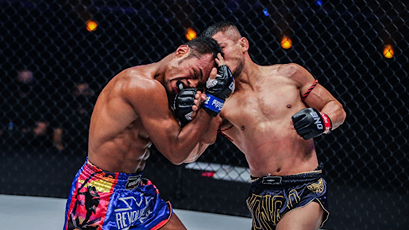
The uppercut comes from below and is deadly at close range, aiming for the chin or solar plexus. Drop your weight slightly, drive through your legs, pivot your foot, and drive the fist upward using hips and shoulders. It’s excellent after slipping a punch or working inside the clinch.
5. Overhand Punch
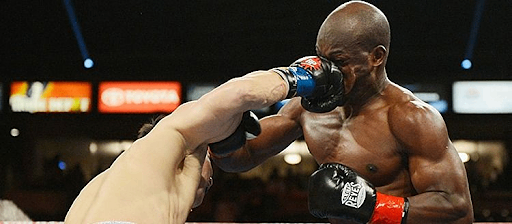
The overhand is a looping rear-hand punch that travels over an opponent’s guard and targets the temple or jaw.
Pivot your rear foot, rotate your hips and shoulders, and arc your hand over (instead of straight) to strike down onto the target. Use it against taller foes or when you see their guard too high.
6. Superman Punch
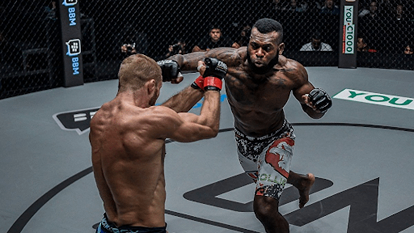
The Superman Punch mixes deception and momentum: you feint a rear-leg kick, then launch the rear punch using that forward drive.
Fake the kick, swing your rear leg forward to build momentum, and thrust the rear hand forward while briefly flying with your body. It’s flashy but effective when the feint draws a reaction.
7. Spinning Backfist
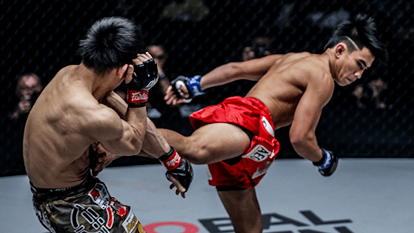
The spinning backfist uses body rotation to add power and surprise, striking with the back of the fist during a spin.
Step with your lead foot, rotate your hips and shoulders into the spin, extend the rear arm to hit with the back of the fist, then finish the spin and reset. It can be a knockout move but leaves you exposed if missed.
Tips to Improve Your Muay Thai Punches
With consistent practice and the right approach, your punches can become faster, harder, and more effective. Here are some tips to help you level up:
A. Perfect Your Technique with Shadowboxing
Shadowboxing lets you practice punches without resistance, focusing on form, footwork, and body mechanics. Visualize an opponent and move naturally while throwing jabs, crosses, hooks, and uppercuts to build fluidity.
B. Use Heavy Bag Work
Hitting the heavy bag helps develop power, endurance, and proper striking angles. Work on combinations, rotate your hips, and aim for controlled impact to simulate real fight scenarios.
C. Practice Timing and Accuracy
Incorporate various targets like mitts or Thai pads to sharpen your aim and reaction speed. Drills and controlled sparring help you understand distance and when to strike effectively.
D. Incorporate Strength Training
Building core, leg, and upper-body strength boosts punching power and supports better muscle memory. Exercises like push-ups, medicine ball throws, and rotational movements enhance your overall striking ability.
E. Spar with Different Partners
Sparring with partners of varying styles and sizes teaches you angles, defense, and adaptability. Even light or boxing-only sparring can improve your timing and strategy for Muay Thai punches.
F. Train Consistently
Regular practice ensures technique, power, and reflexes improve over time. Even short, focused sessions daily can make a big difference in mastering your punches.
Ready to Pack More Power into Your Strikes?
Improving your Muay Thai punches takes practice and focus, but the results are worth it. With dedication and proper training, your Muay Thai punches will become a major strength in your striking arsenal.
Give your kids the chance to build confidence, fitness, and self-defense skills with the Martial Arts Program at Rockstar Academy! In this program, students learn key techniques like the muay thai combo, enhance coordination, and develop discipline in a fun and supportive environment.
Classes are designed to challenge students while keeping the experience engaging and enjoyable, helping them grow both physically and mentally. As part of the Sports & Performing Arts Academy, students also get opportunities to shine in exciting events like the RockOlympics competitions, showcasing their skills and hard work.
Plus, you can experience it first-hand with a free trial class, giving your kids a risk-free way to discover the excitement and benefits of martial arts.
FAQ
What are the powerful punches in Muay Thai?
The most powerful punches include the cross, hook, uppercut, and overhand, all delivered with proper hip and body rotation.
How many punches are there in Muay Thai?
There are seven main punches: jab, cross, lead hook, rear hook, uppercut, overhand, and spinning backfist.